At Art Basel Paris, Haitian-American artist Patrick Eugène refuses the easy image. His paintings move through diasporic memory, family histories and the politics of representation, building a visual language that is as intimate as it is defiant. Heritage, here, is no decorative detail. And Haiti? Never just a backdrop.
Haiti at the Core
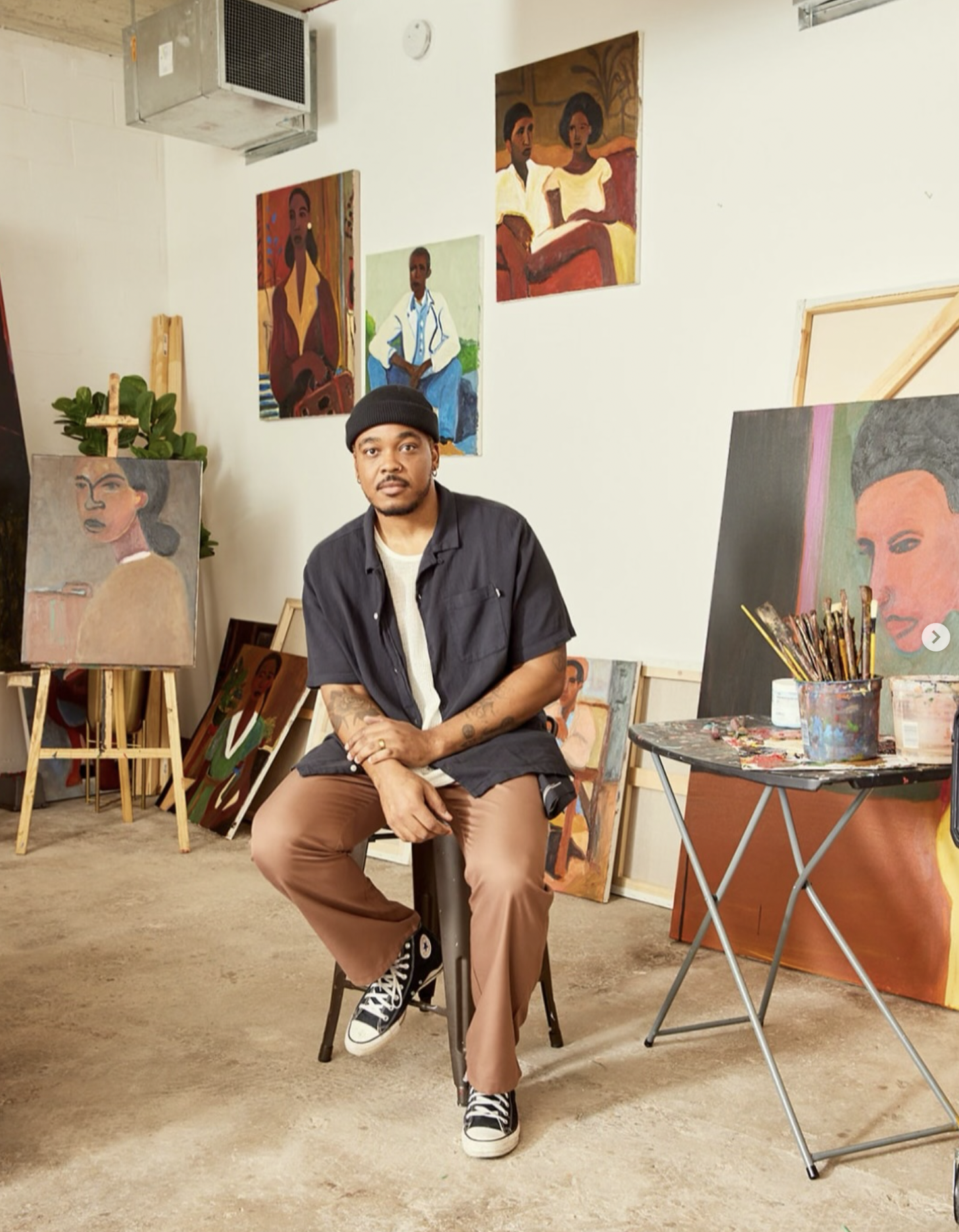
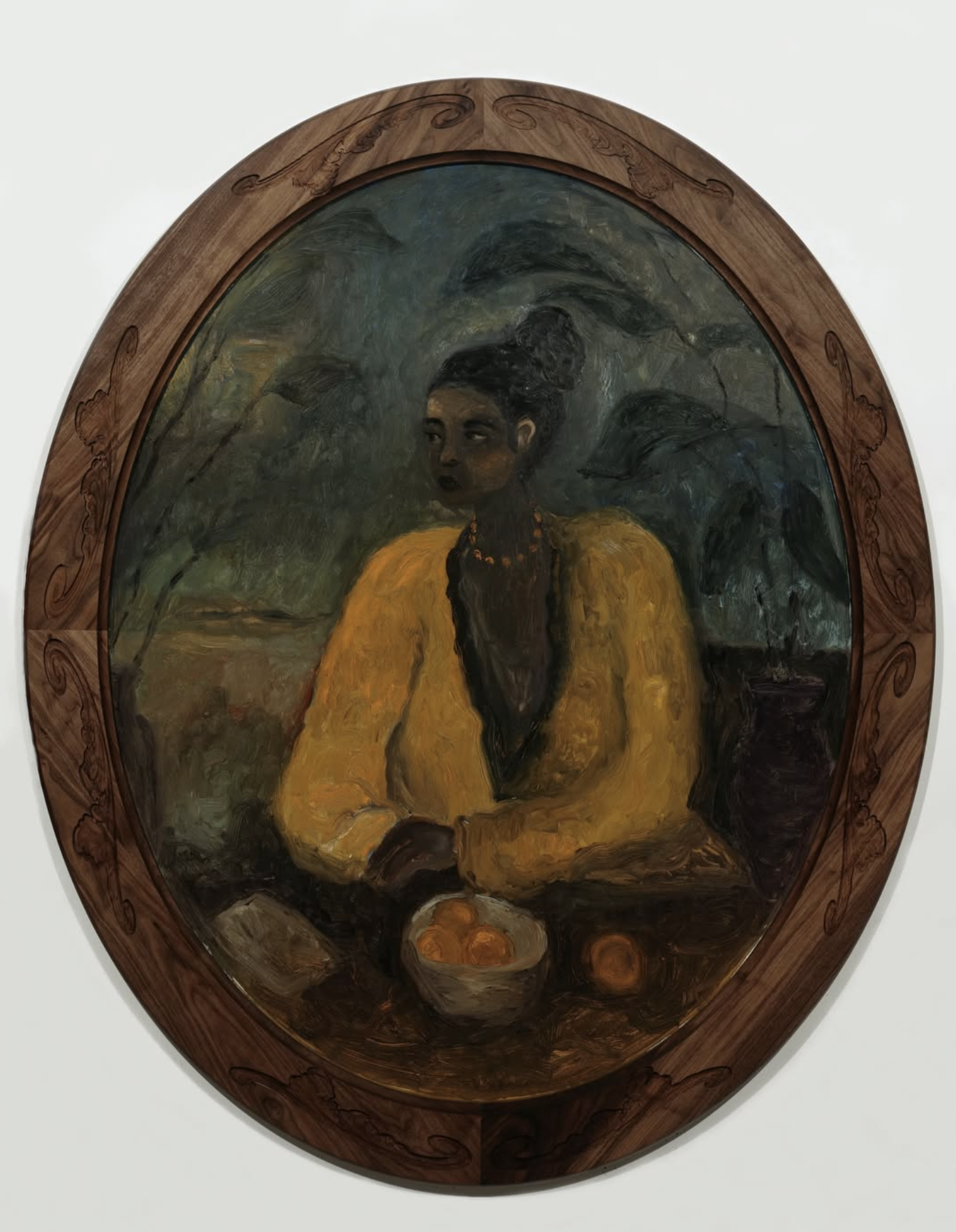
« La culture haïtienne vit en moi à travers la spiritualité et un sentiment viscéral de fierté. L’histoire d’Haïti est d’une richesse et d’une puissance incroyables, mais souvent méconnue. Je pense notamment aux années 1950-1960, une période difficile sous le régime de Duvalier, mais d’une grande effervescence culturelle. En comprenant mieux cette histoire, j’ai pu établir des parallèles avec la culture américaine, en particulier en tant qu’homme noir. Cela m’a permis de percevoir les liens communs de lutte, de beauté et de persévérance qui traversent ces deux identités. Cet héritage m’influence parfois consciemment, dans les couleurs ou les références que je choisis, et parfois inconsciemment, dans la façon dont j’intègre à mes œuvres la douleur et la transcendance. »
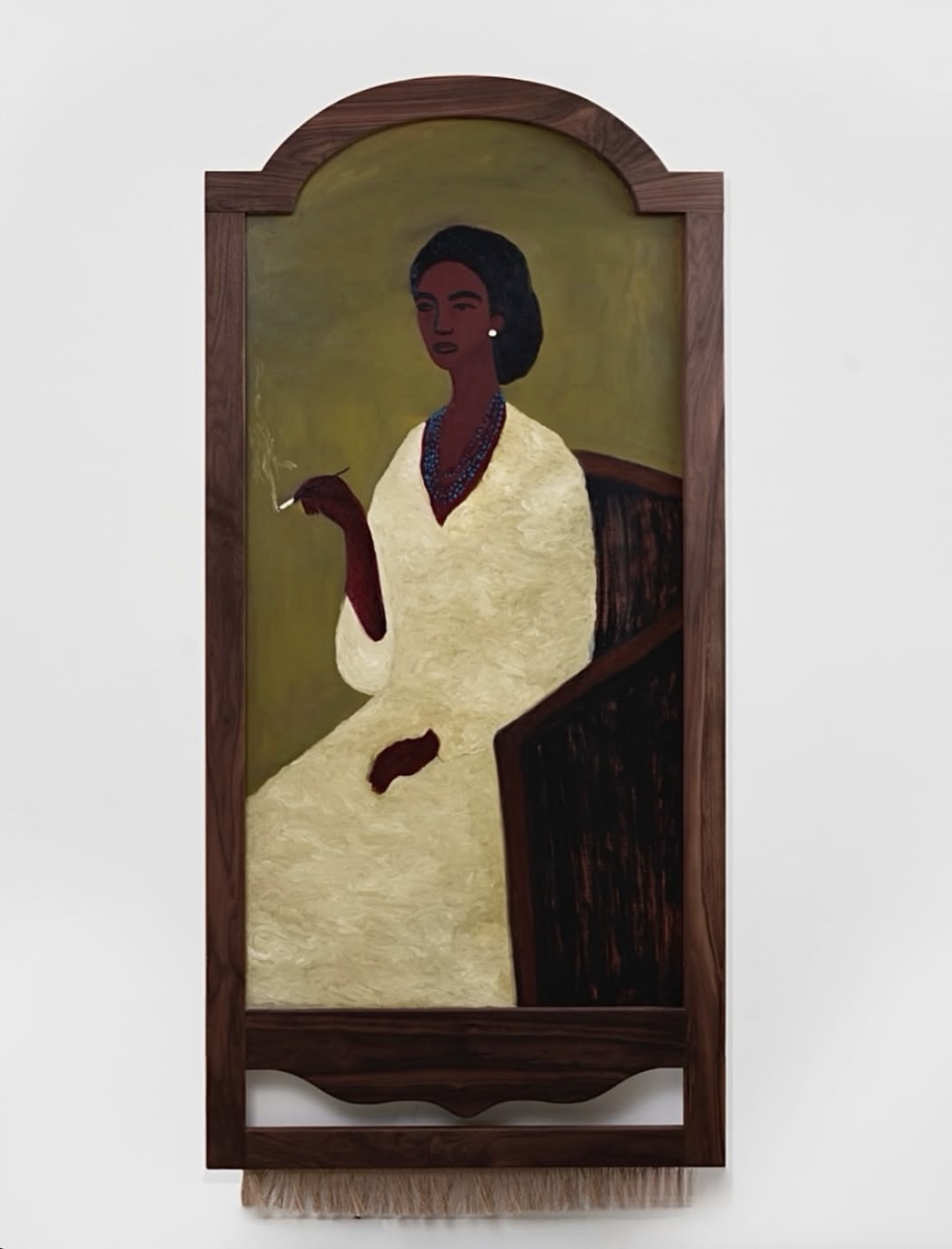
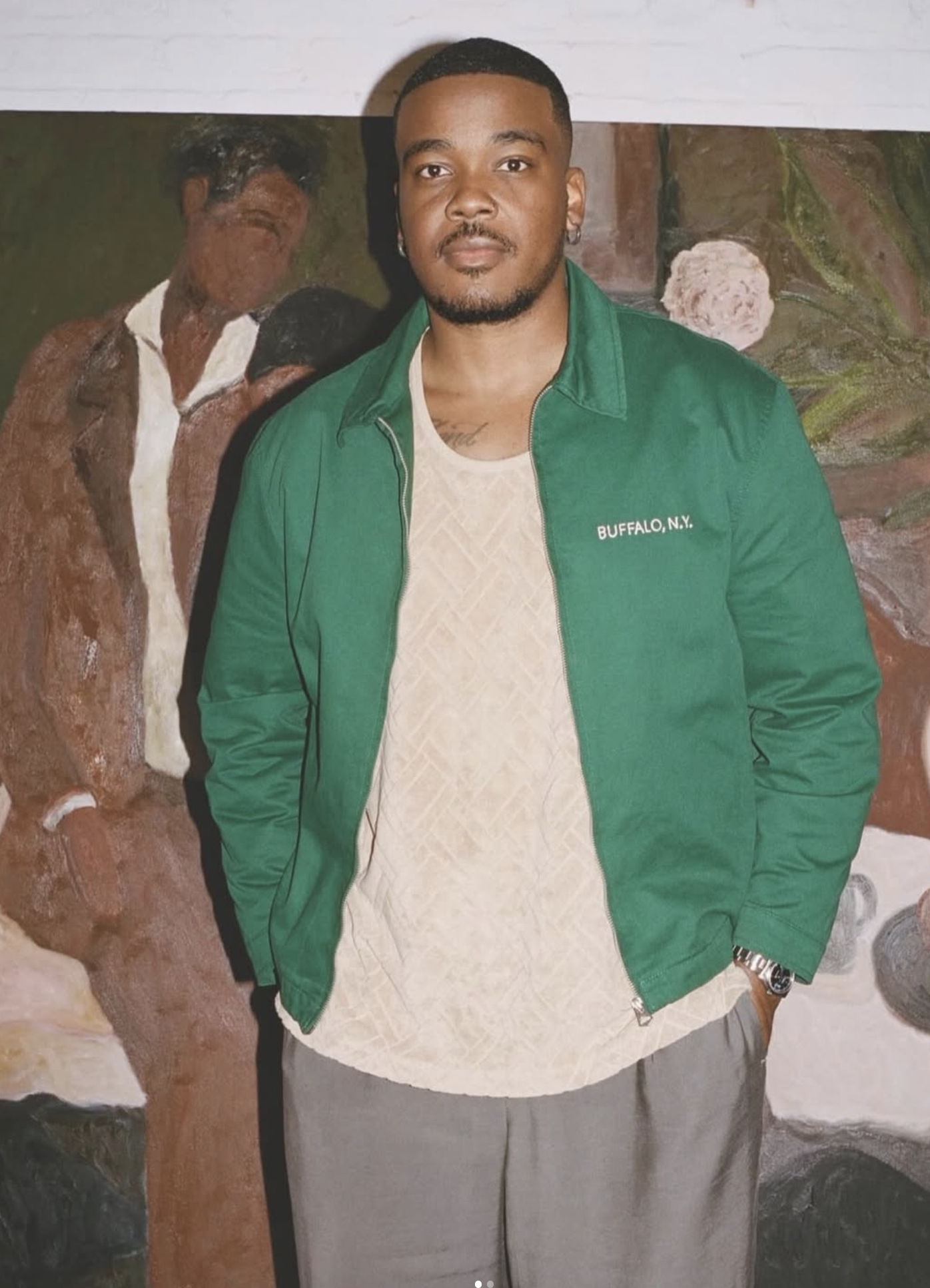
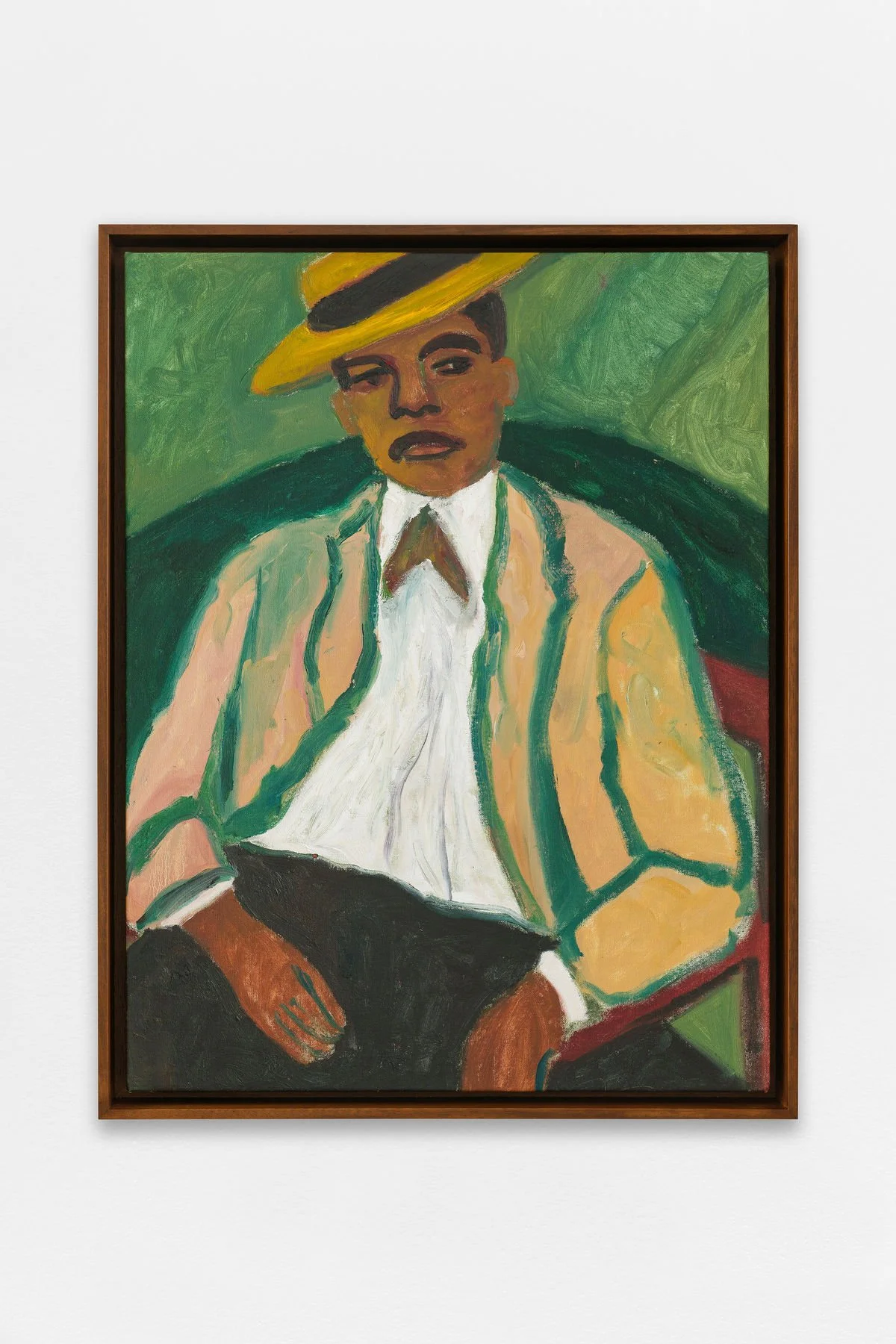
Some inheritances arrive before we even know how to name them. Others take years to come into focus.
For Patrick Eugène, the first gallery was home. His mother collects traditional Haitian art. His grandfather takes photographs. Images, objects and stories circulate through the family long before painting becomes his own language.
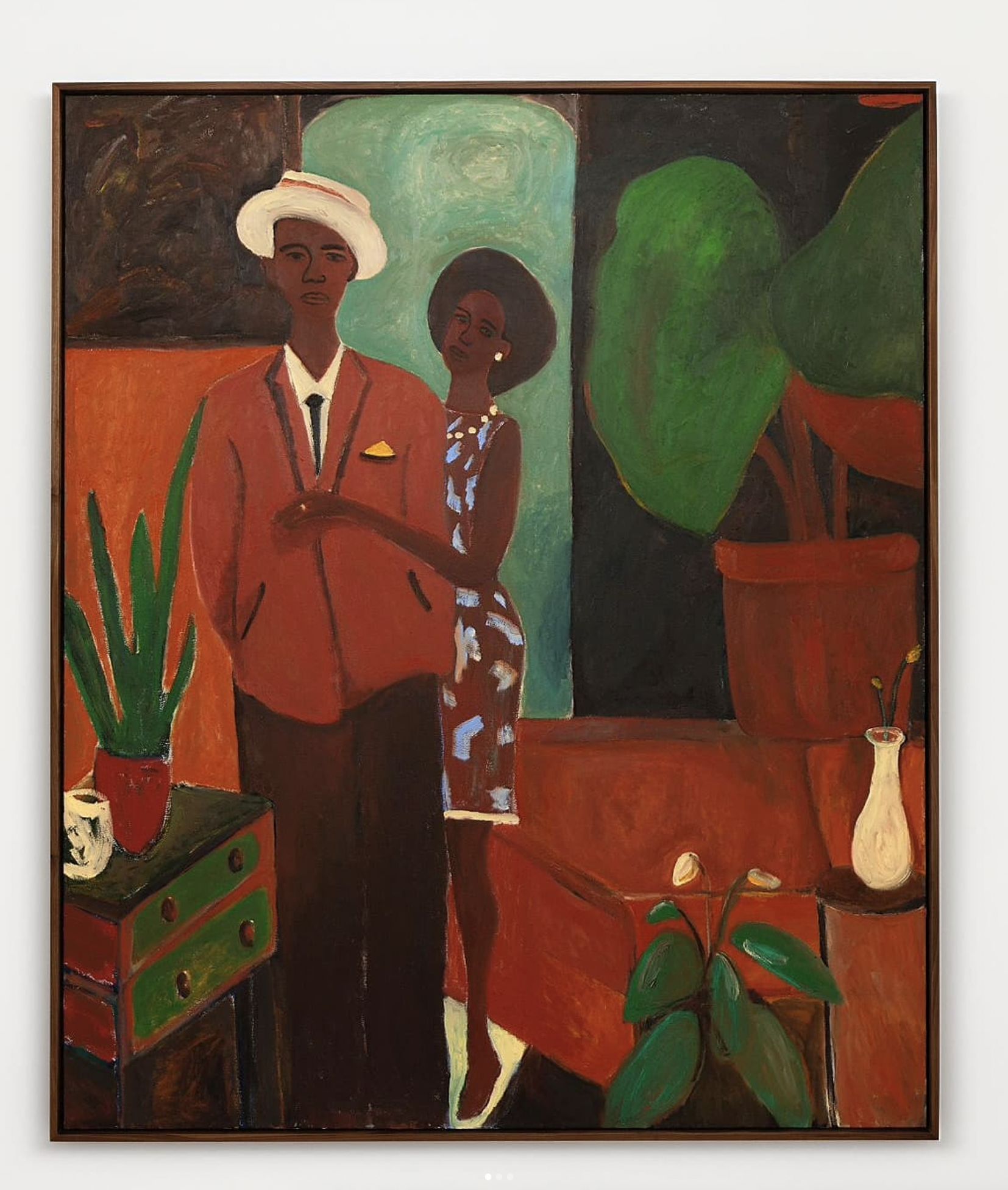
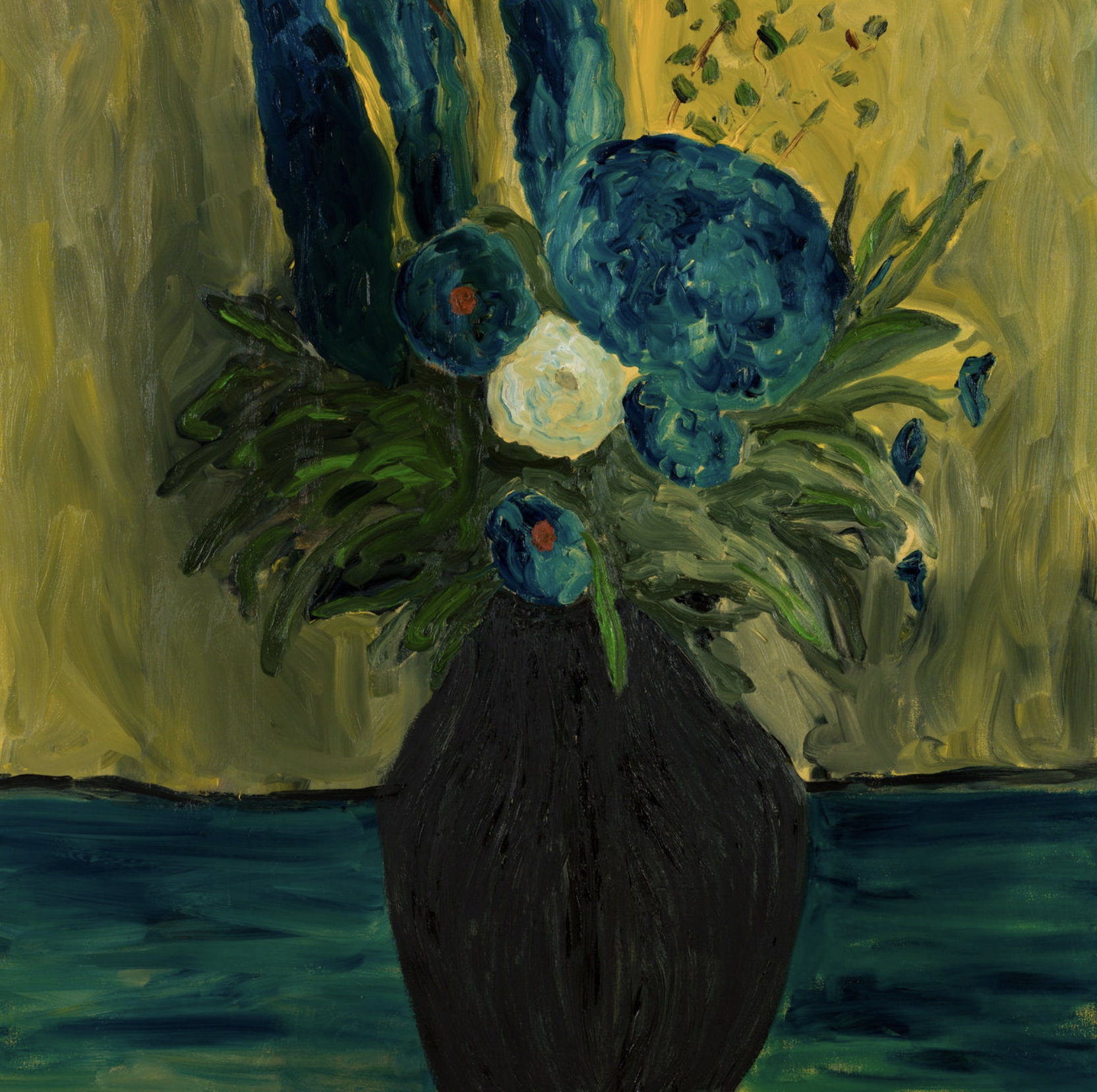
But the route is rarely straightforward. Eugène starts out in finance in New York before turning to painting at around 27. For nearly a decade, abstraction takes centre stage. Then the human figure pushes its way back in. Bodies. Faces. Memories that refuse to stay buried.
Born in the United States to Haitian parents, Eugène inhabits the space between two geographies, two cultural narratives, two ways of seeing Black life. Diaspora is never a neat line connecting one place to another. It shifts, fractures, doubles back. Sometimes it goes quiet. Then it returns.
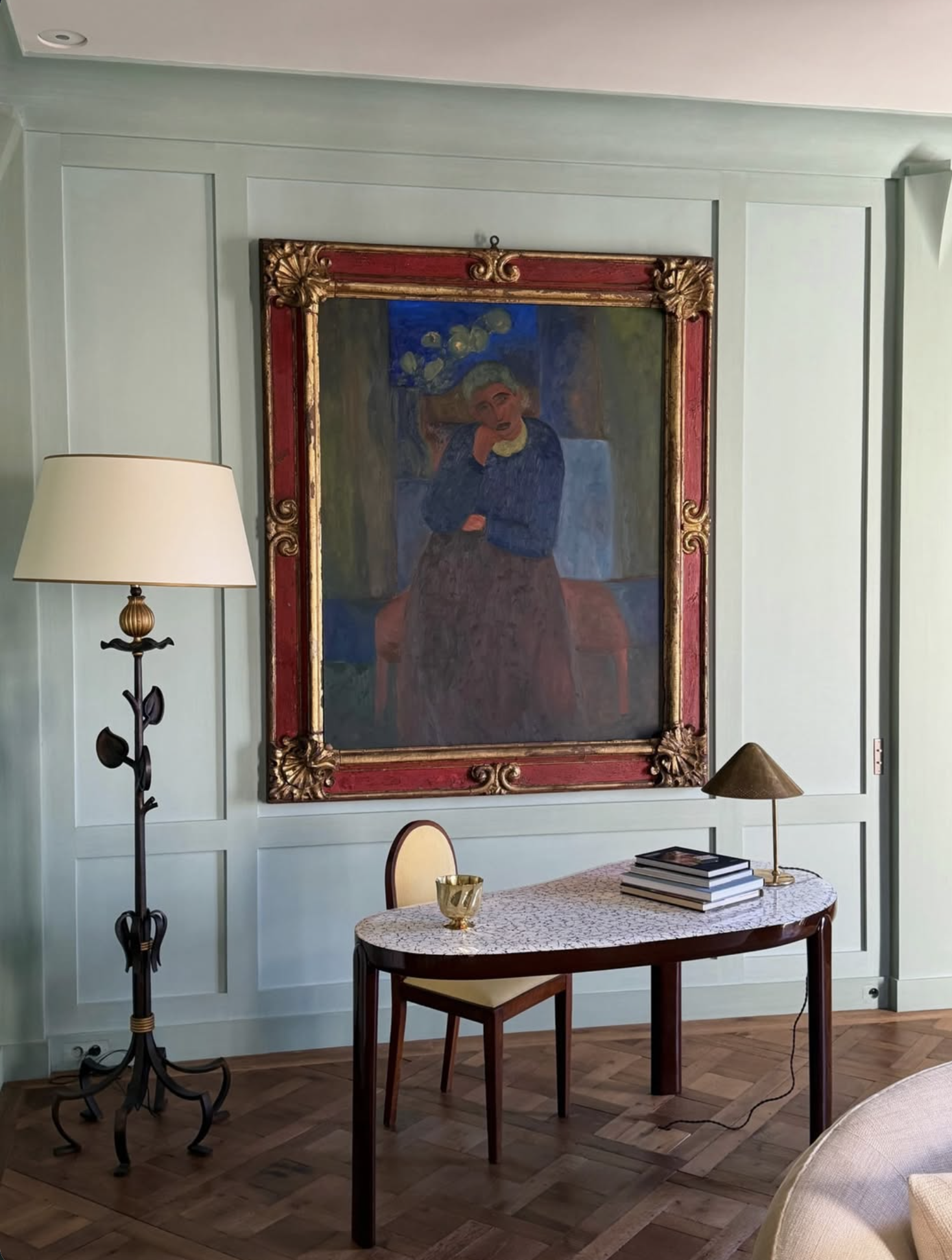
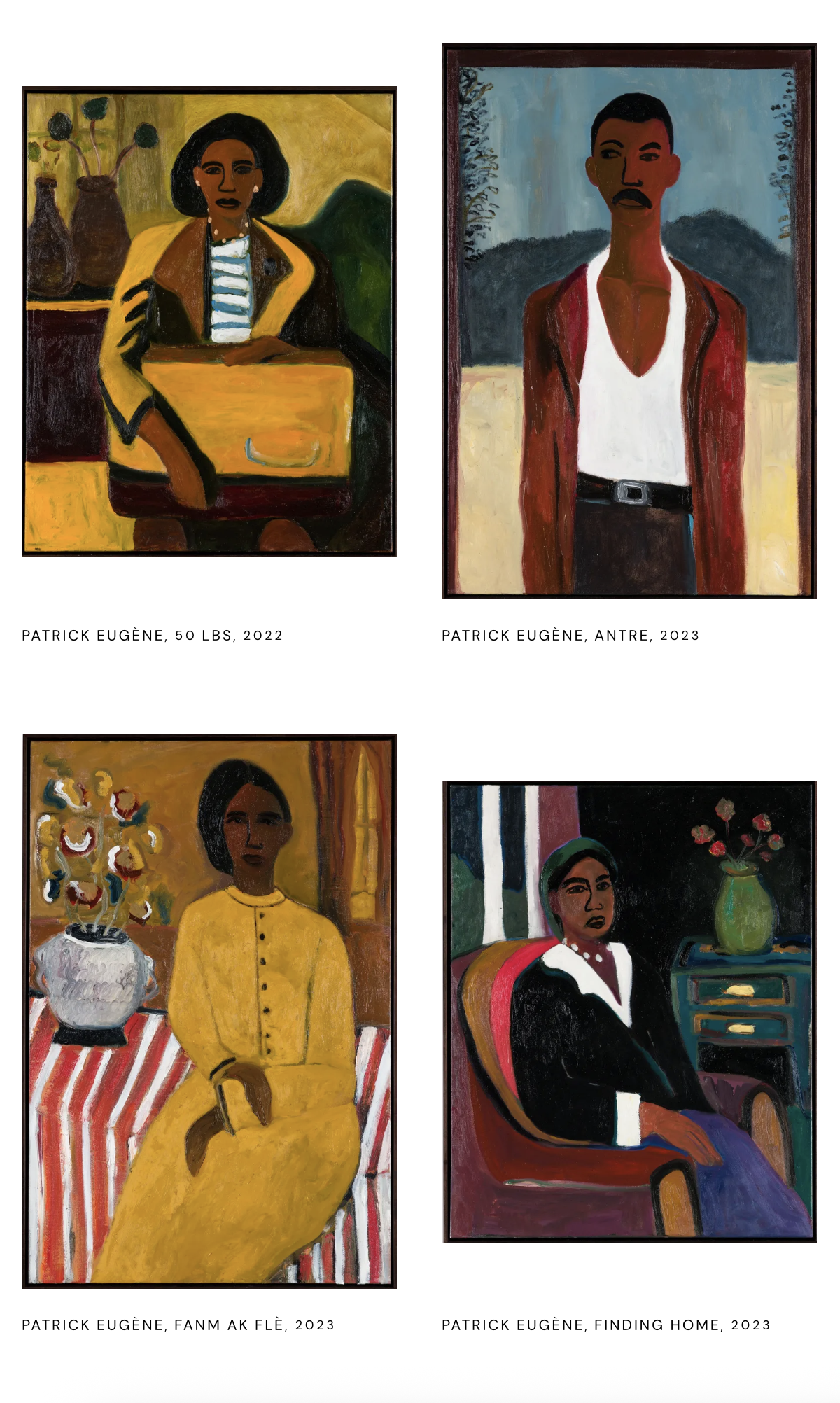
In 2010, he travels to Haiti in the aftermath of the earthquake. The country is devastated, its image already circulating through a global media landscape hungry for scenes of destruction. But Eugène encounters something beyond catastrophe: collective strength, dignity, a refusal to disappear beneath the weight of the images.
Something changes. Painting becomes a way to stay close to a history he cannot, and does not attempt to sum up.
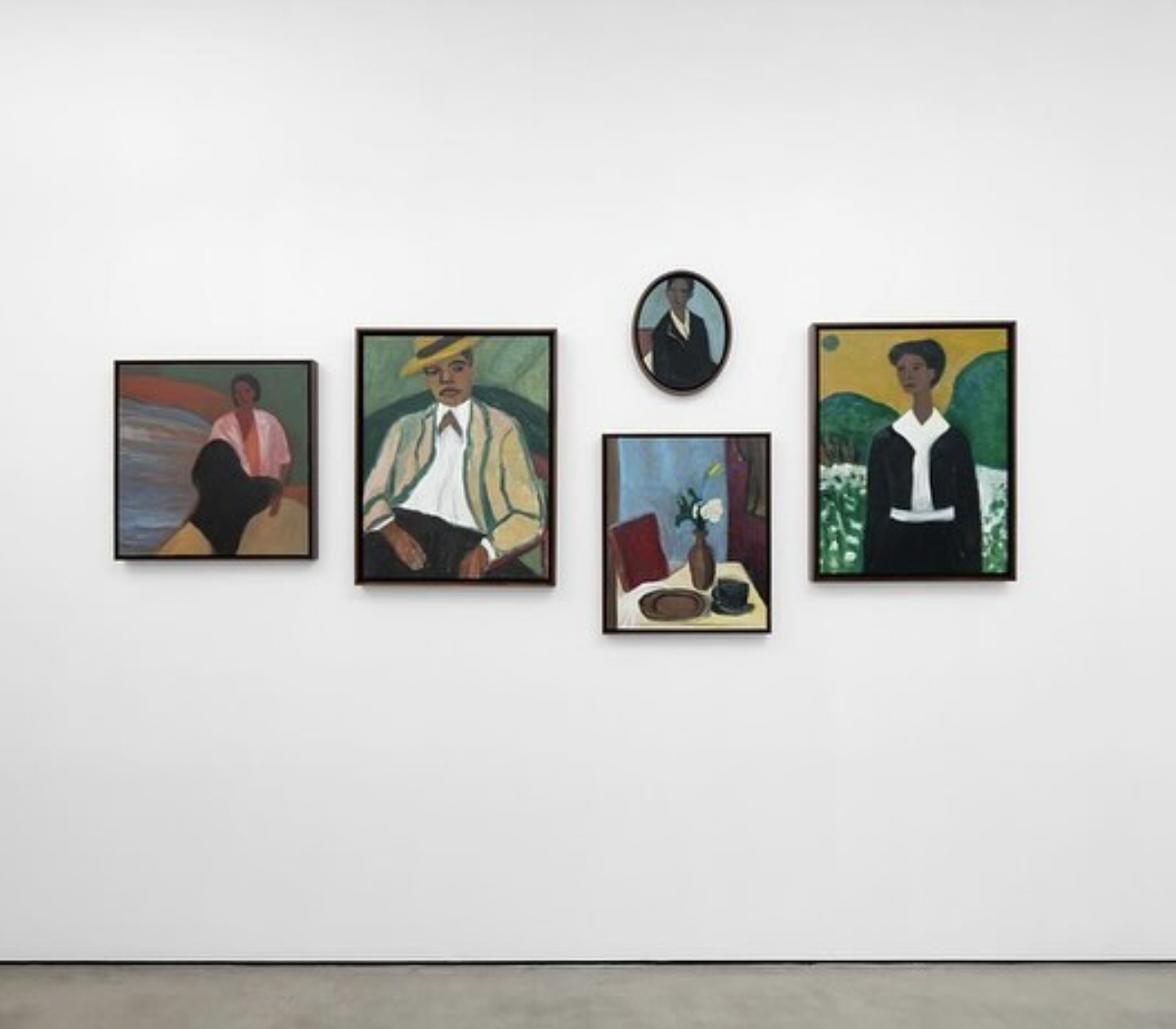
His source material is personal: archival photographs, the poised silhouettes of earlier generations, fragments of family memory.
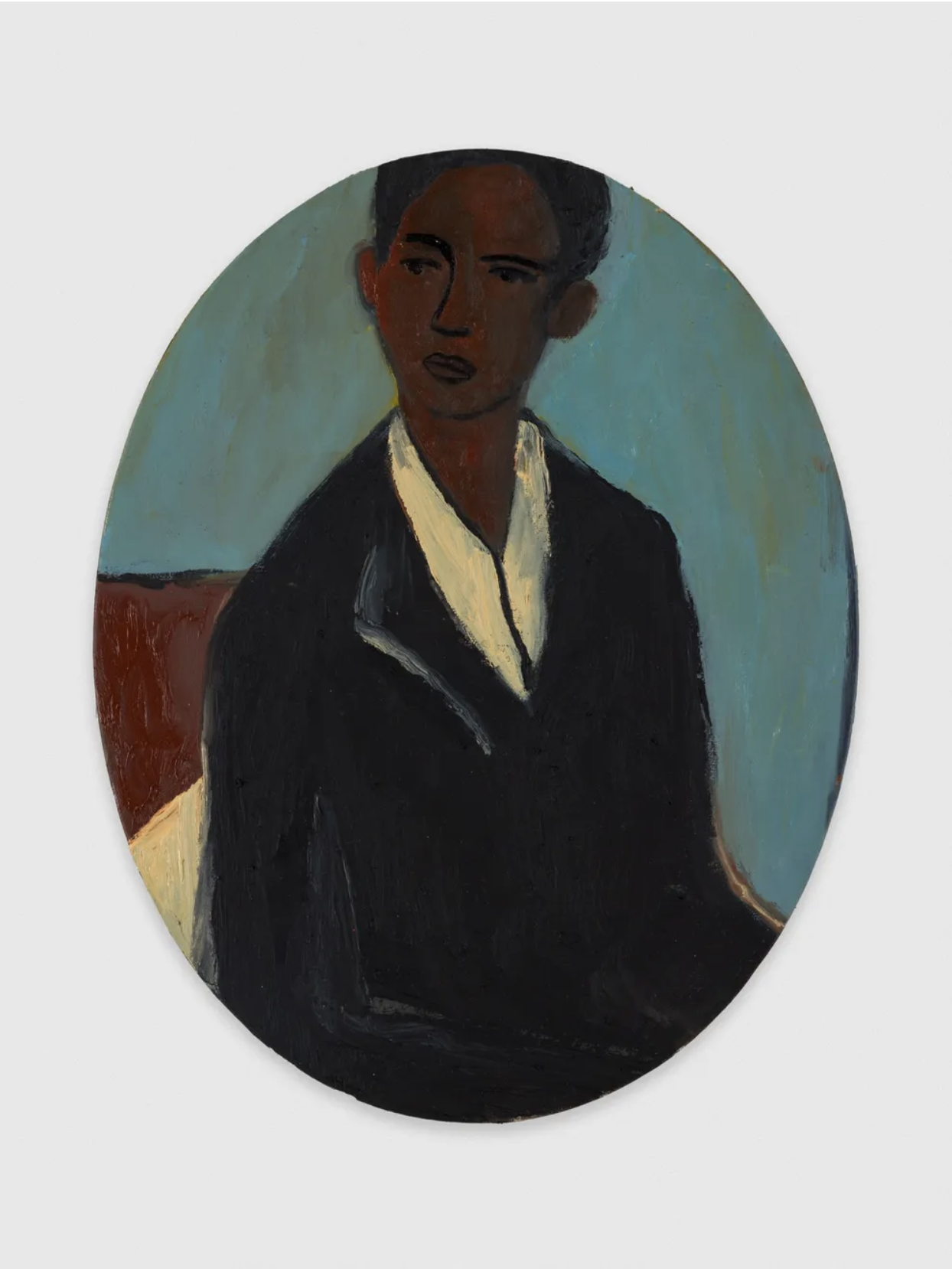
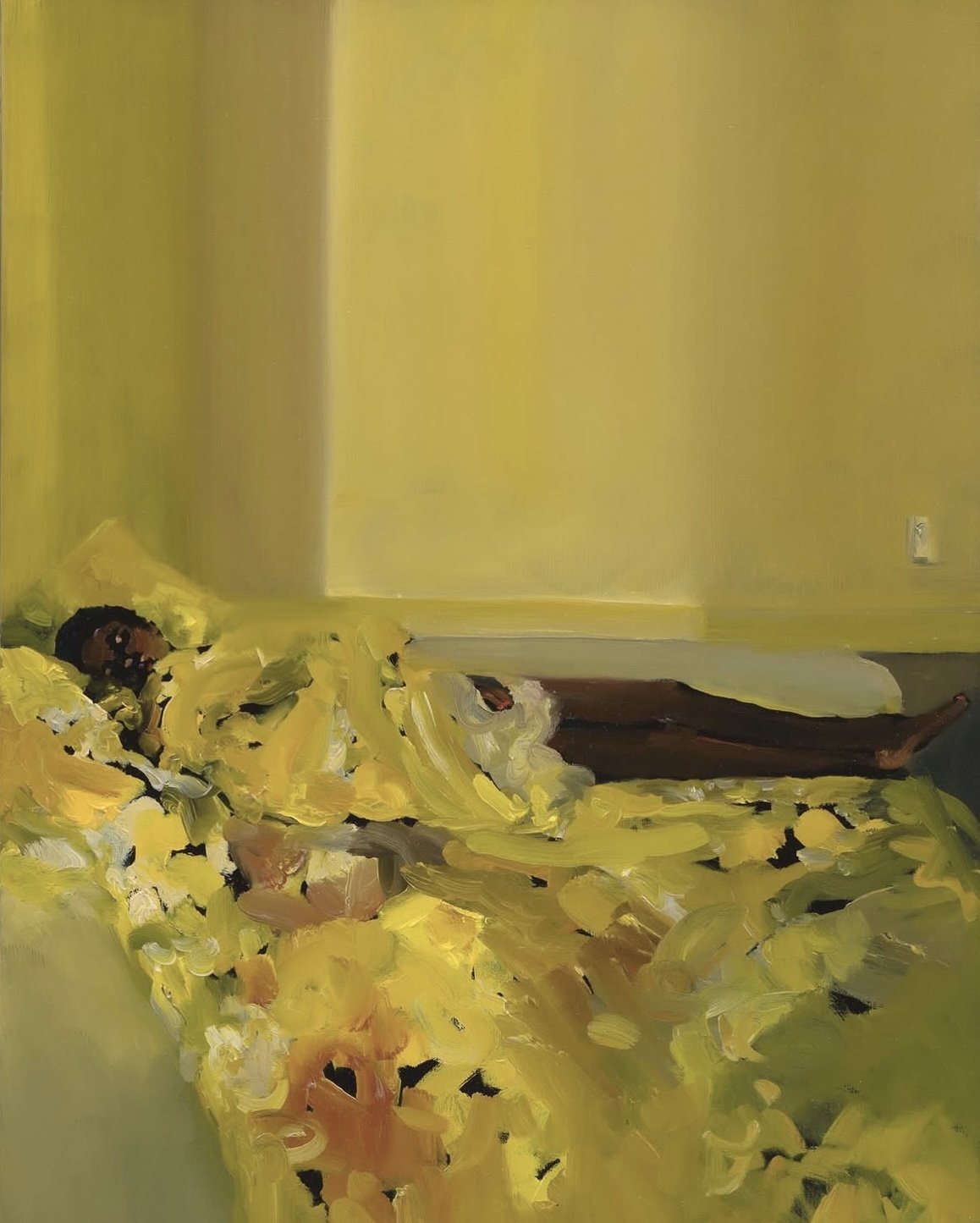
On canvas, figures hover between presence and disappearance. Each portrait seems to hold on to something just beyond reach a gesture, a lineage, a life that might otherwise slip from view.
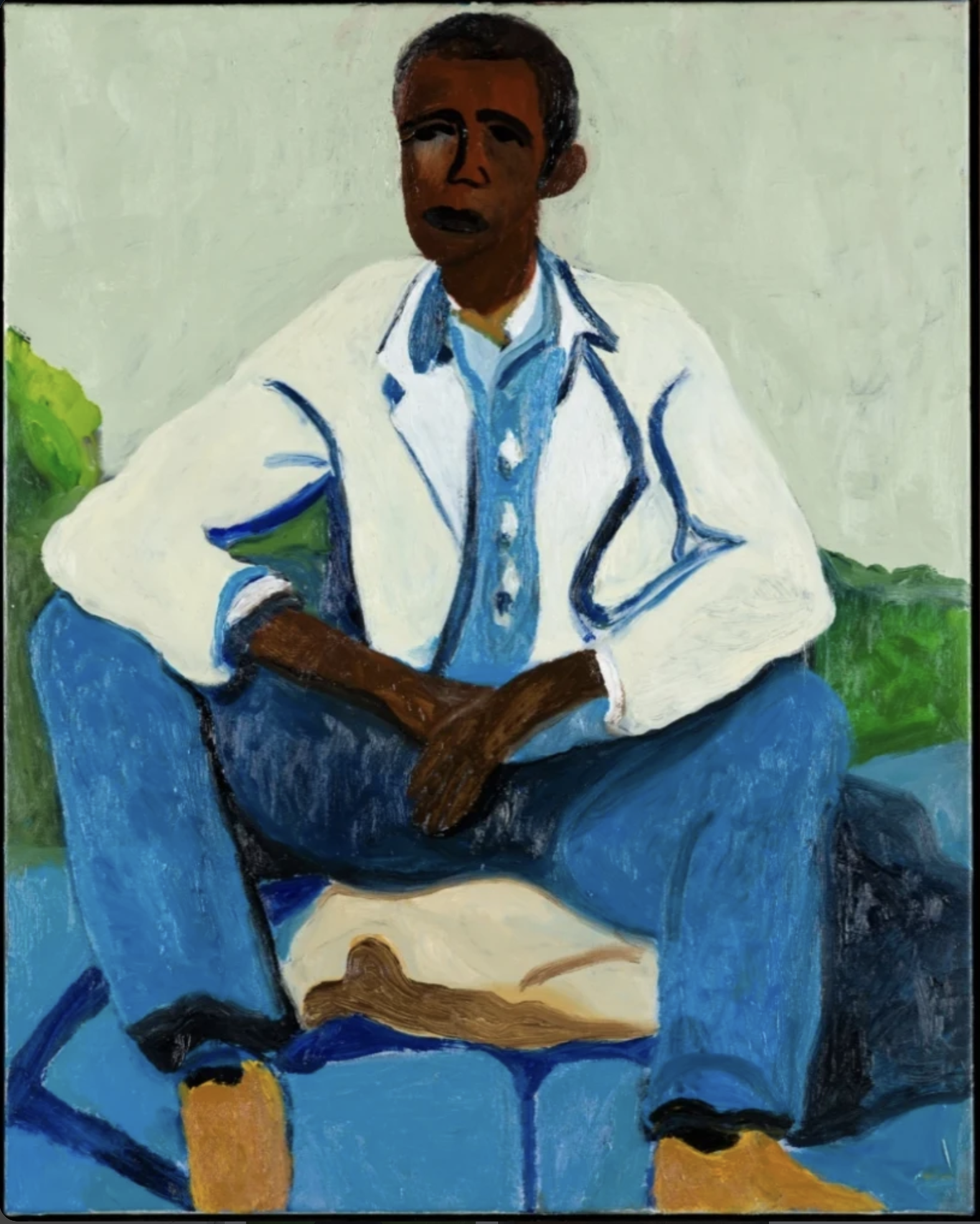

« I am inspired by photographers such as Roy DeCarava and Gordon Parks, and the way they capture Black life with such depth. Matisse’s simplicity and use of colour have always resonated with me, while the creative minds of the Harlem Renaissance have had a profound influence on my practice, both visually and musically. I am also inspired by the emotional honesty and constant exploration of artists associated with the New York School. »
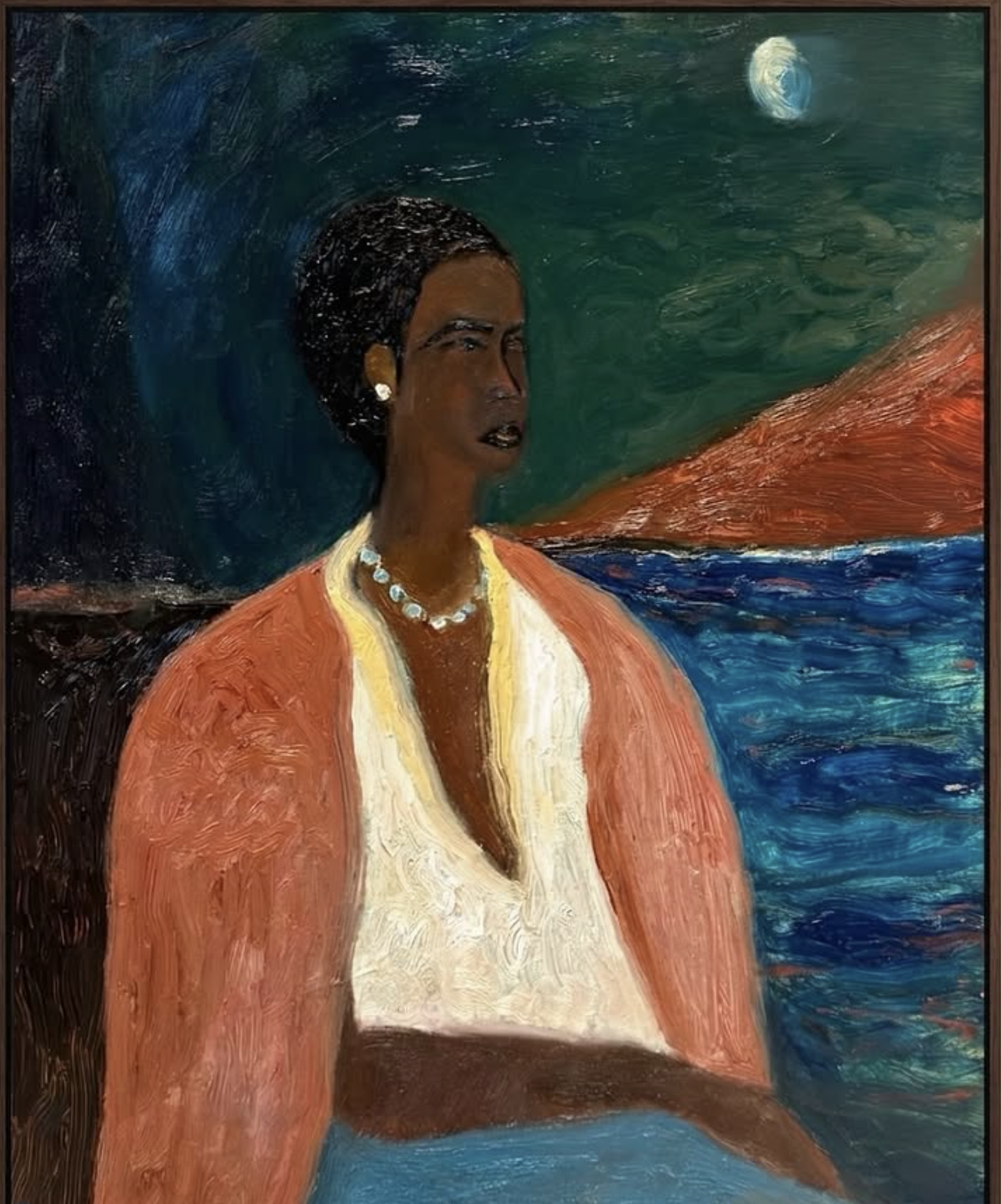
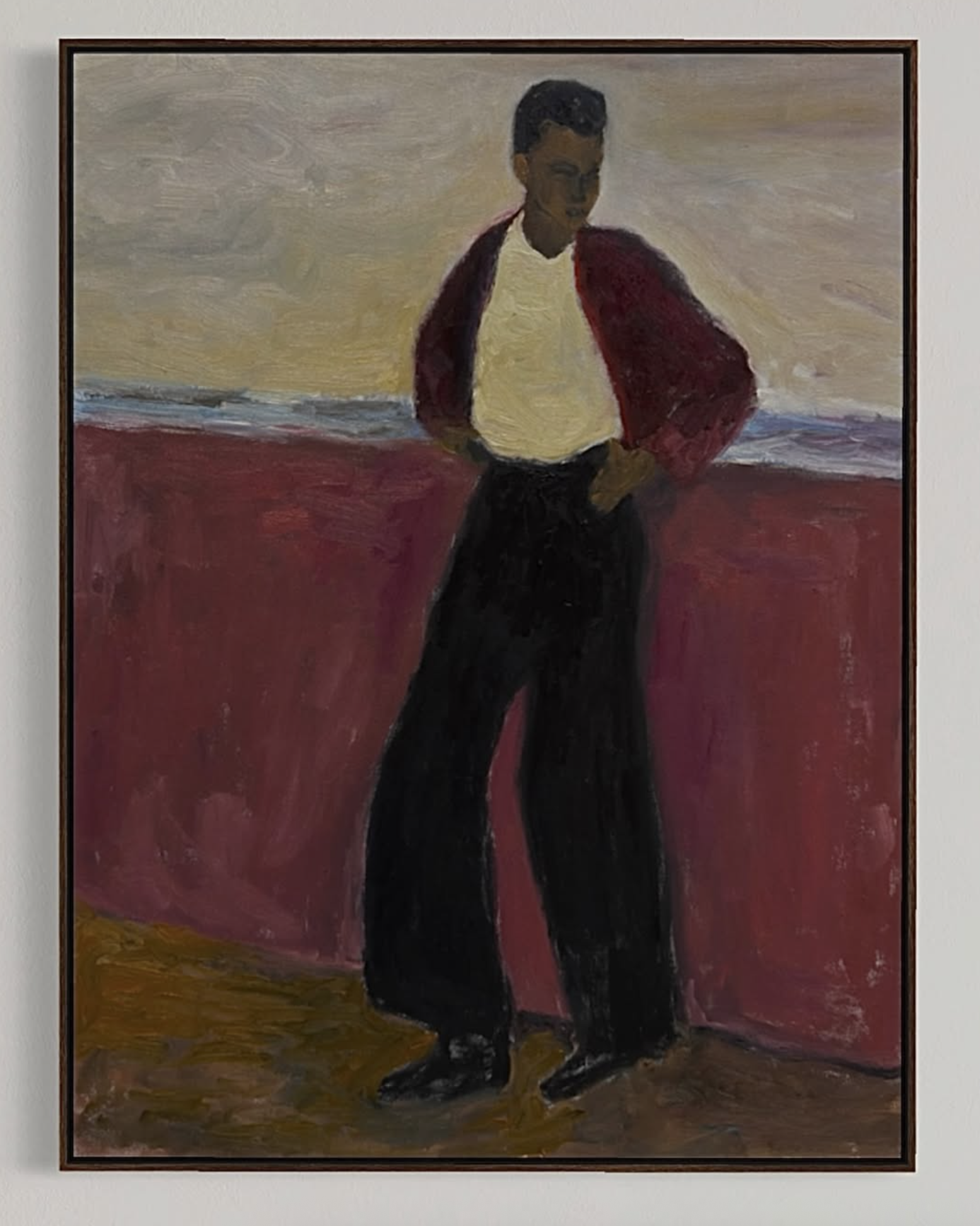
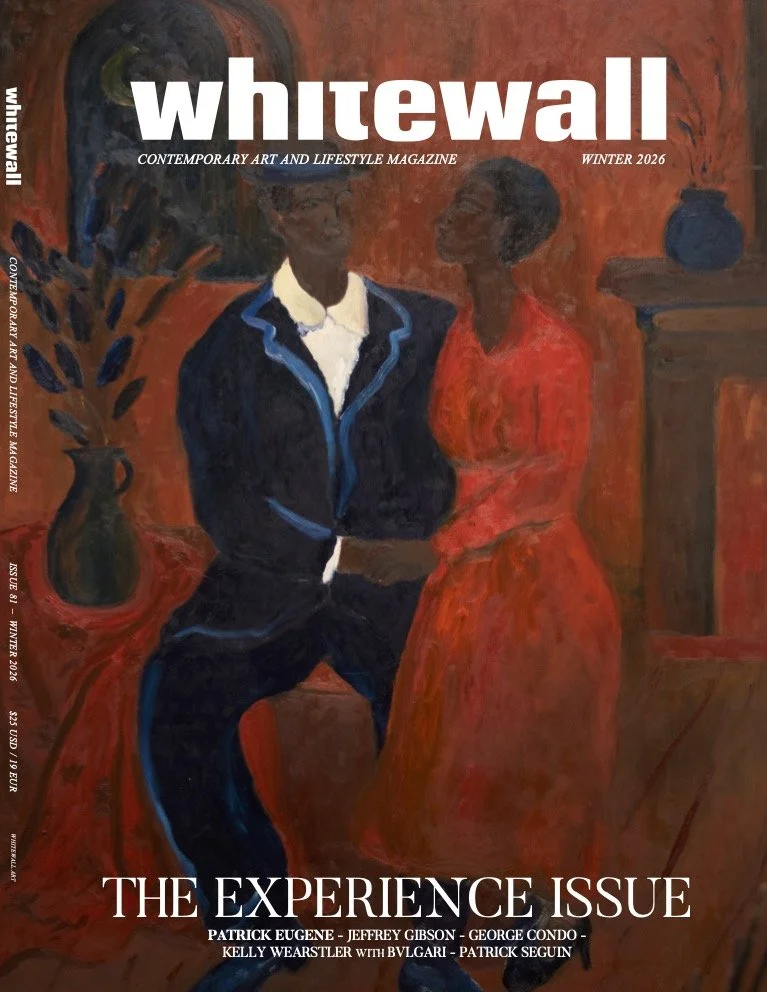
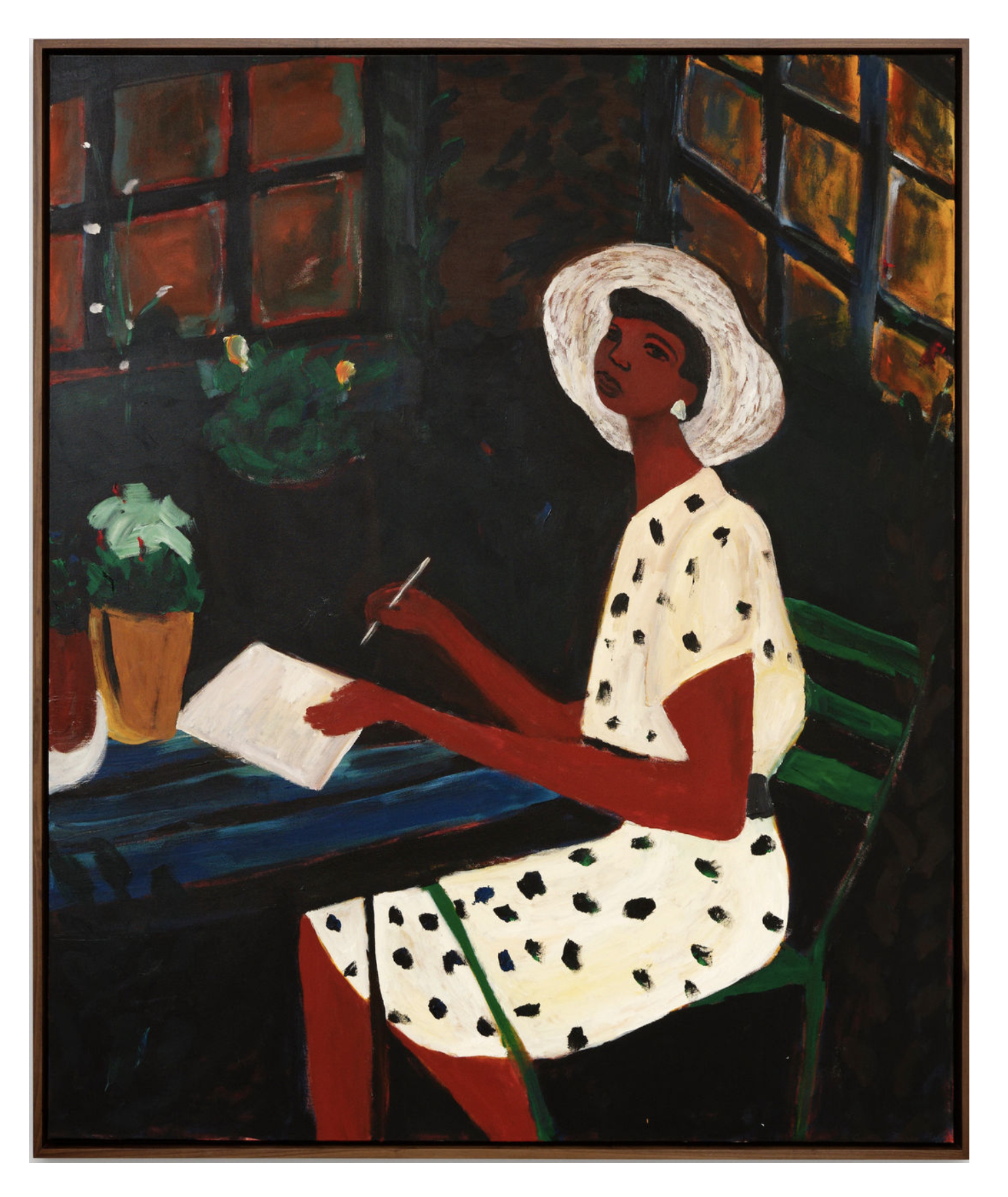
Earthy tones, deep browns, muted reds. There is warmth here, but no postcard version of the Caribbean. Eugène paints presence.
His Black figures do not need to perform heroism to command the frame.
They are monumental without spectacle, self-possessed without explanation.
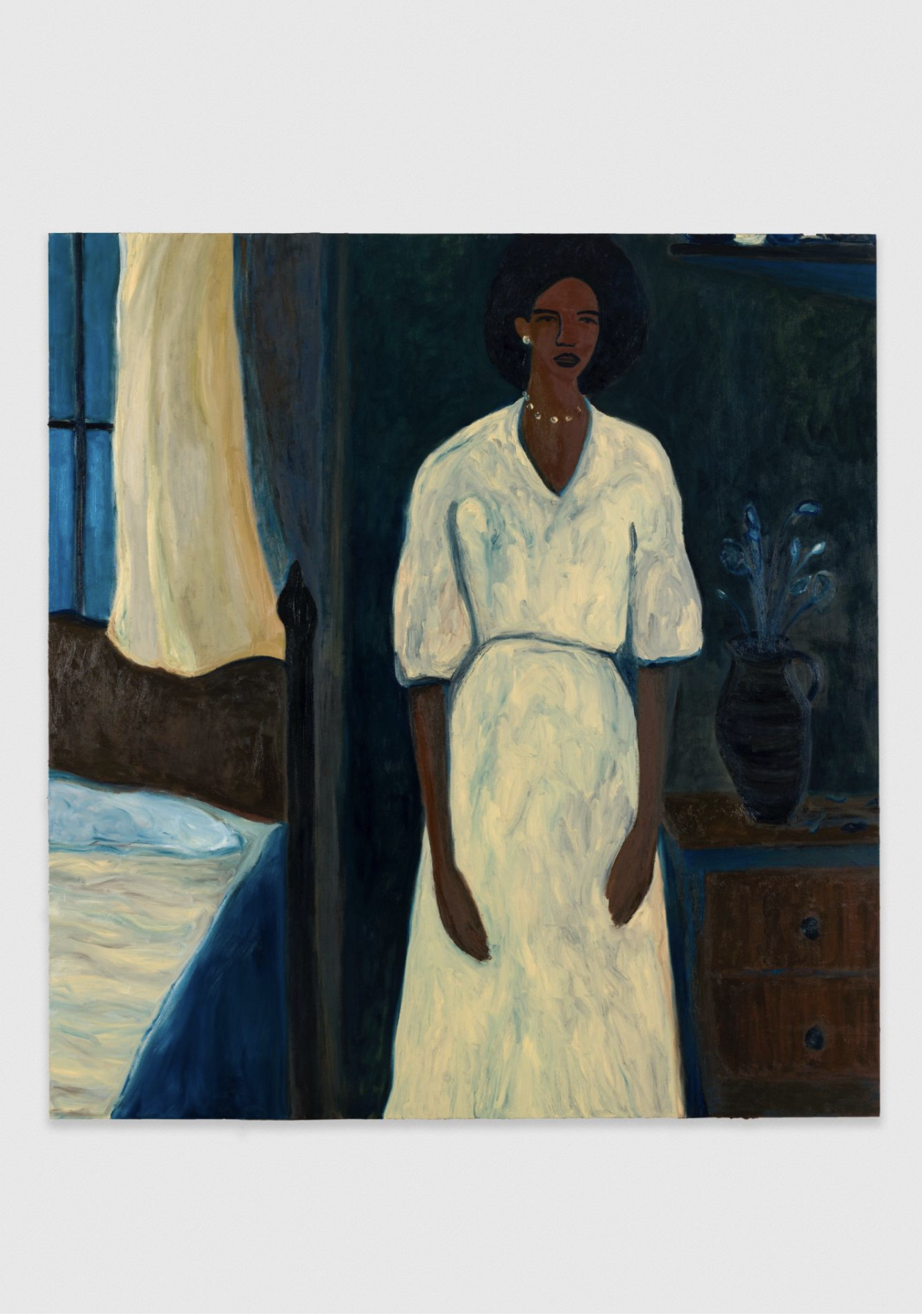
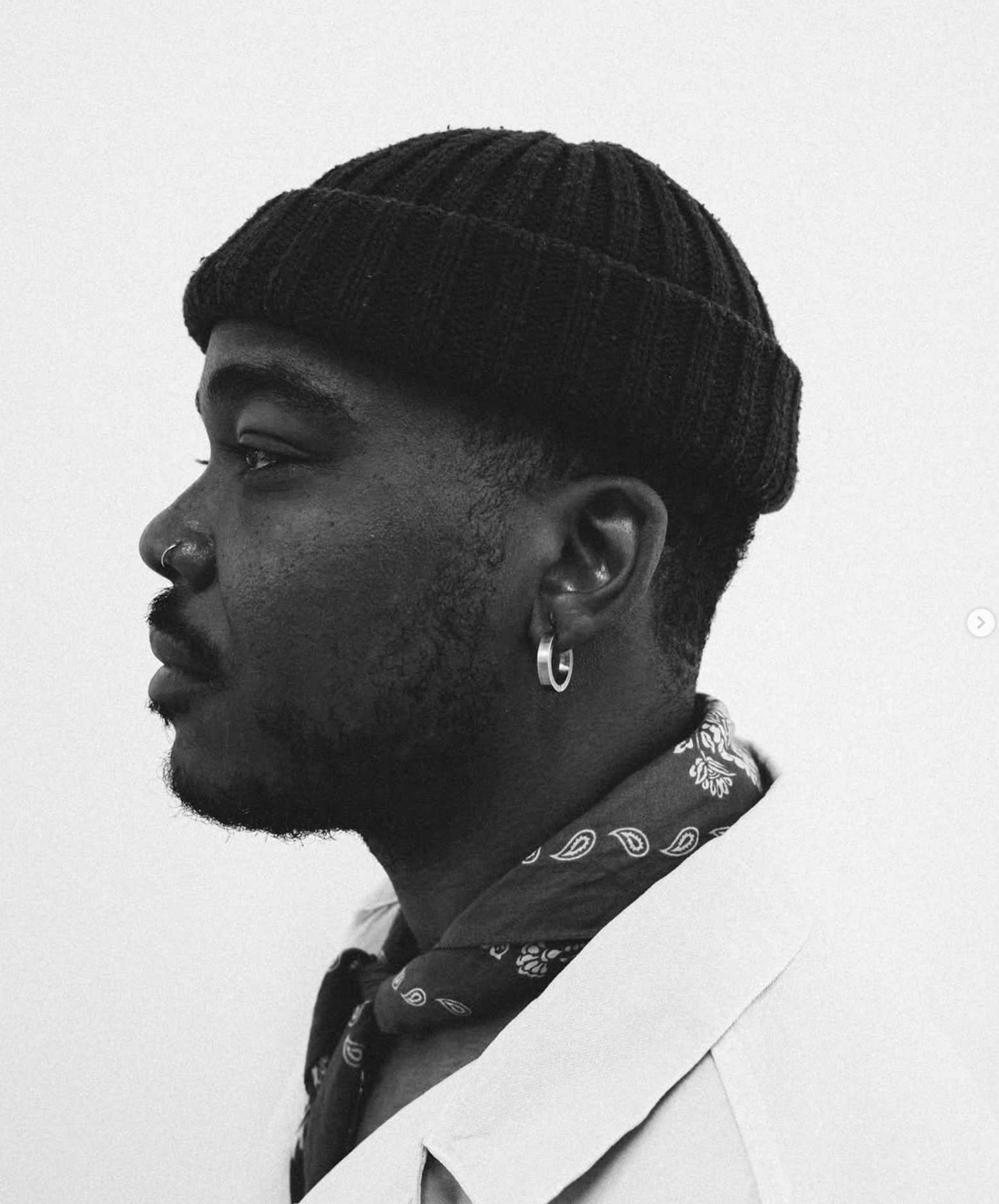
Haiti remains close, whether in Brooklyn, Atlanta or in front of a blank canvas. Eugène does not polish his heritage for an outside gaze. He lets it be complicated. Beautiful. Contradictory. He lets it keep its silences.
Faces that refuse to tell the whole story
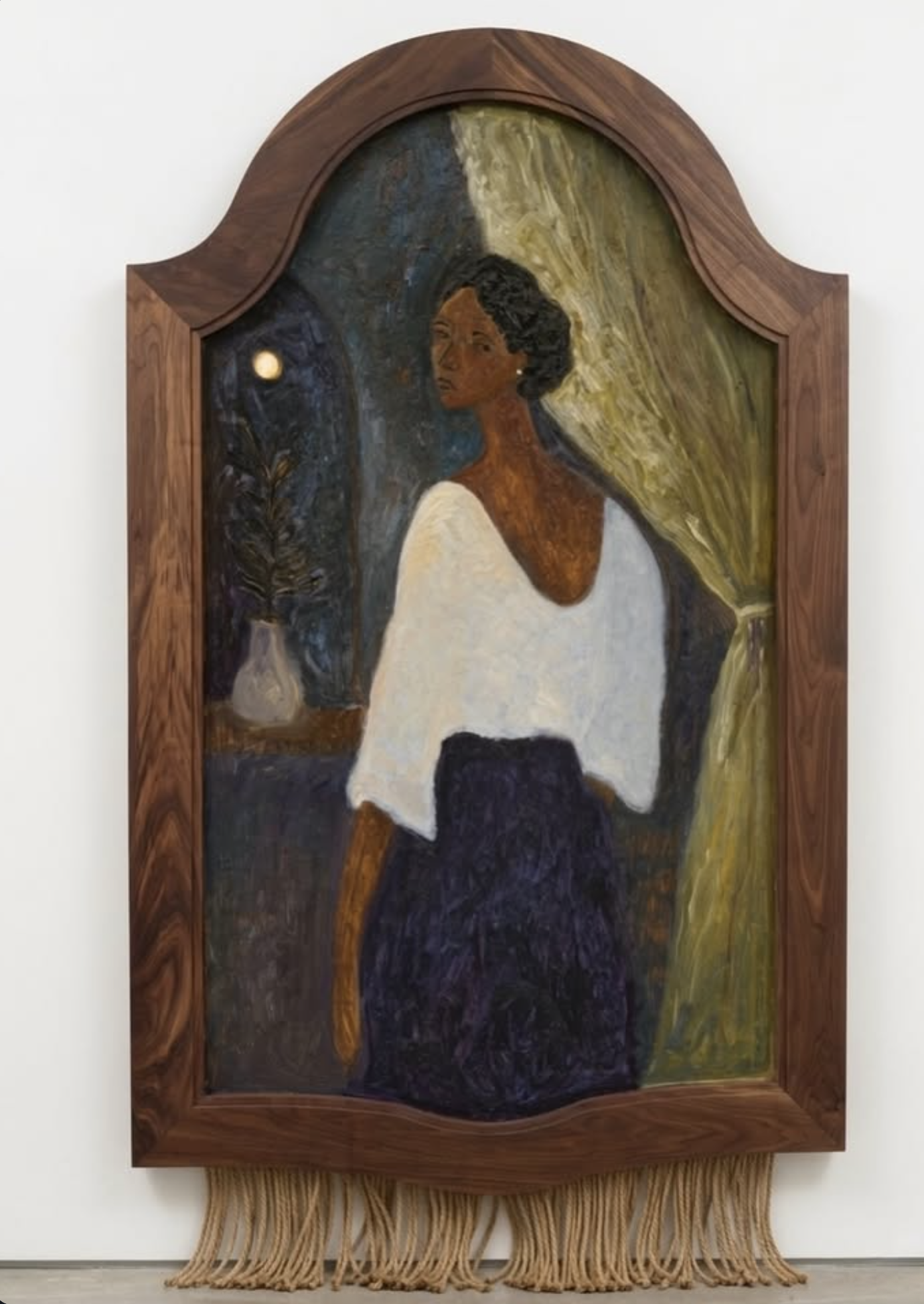
In Patrick Eugène’s paintings, a face is never the whole story. It is where the story starts to slip away.
Oil, pigment and blurred contours create a shifting terrain. Forms emerge from the surface, then recede. Bodies appear almost within reach, only to become elusive again.
Nothing settles into a single, definitive reading. Colour builds, obscures, interrupts. The eye is left moving between what the painting gives us and what it keeps to itself.
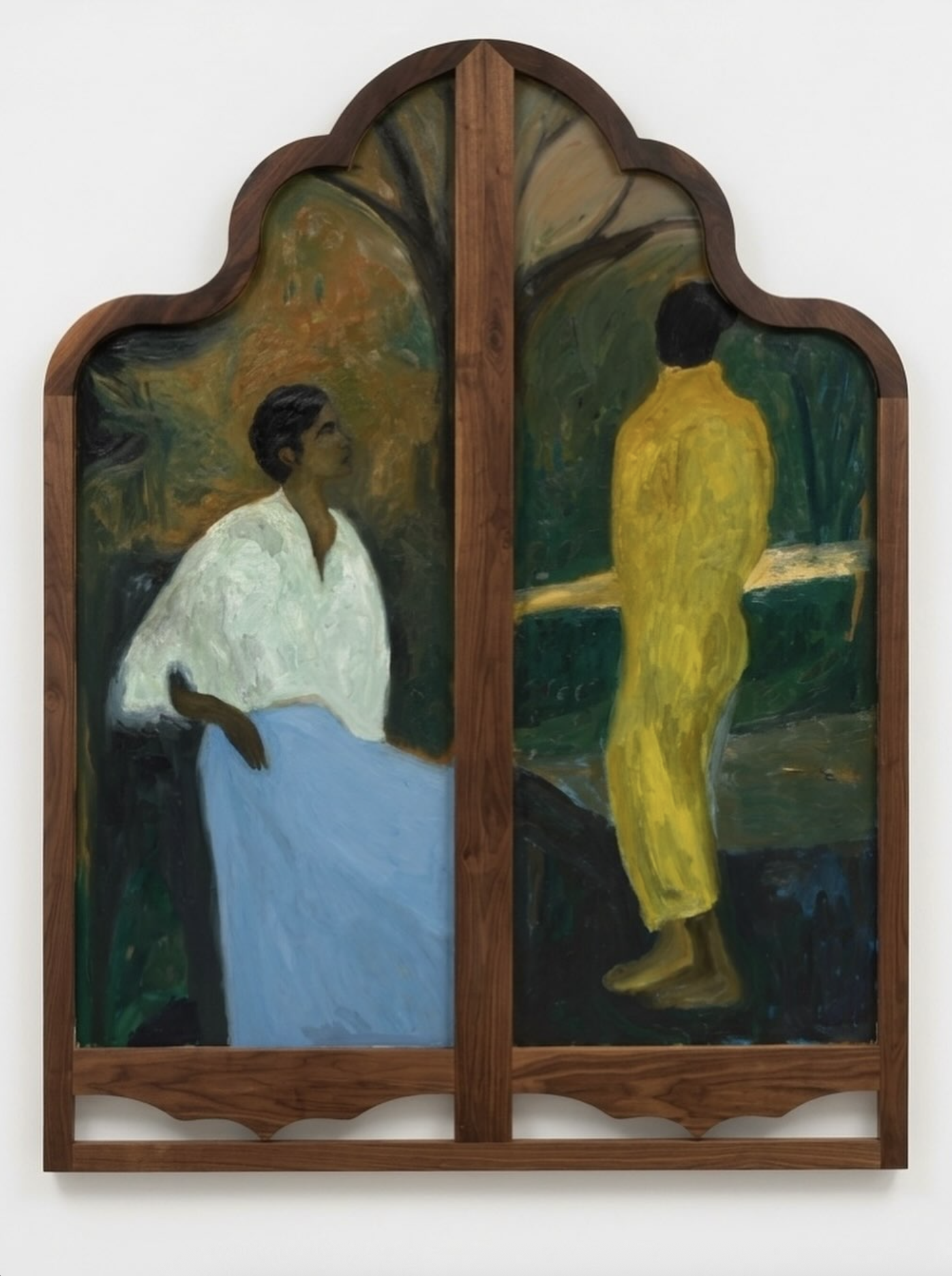
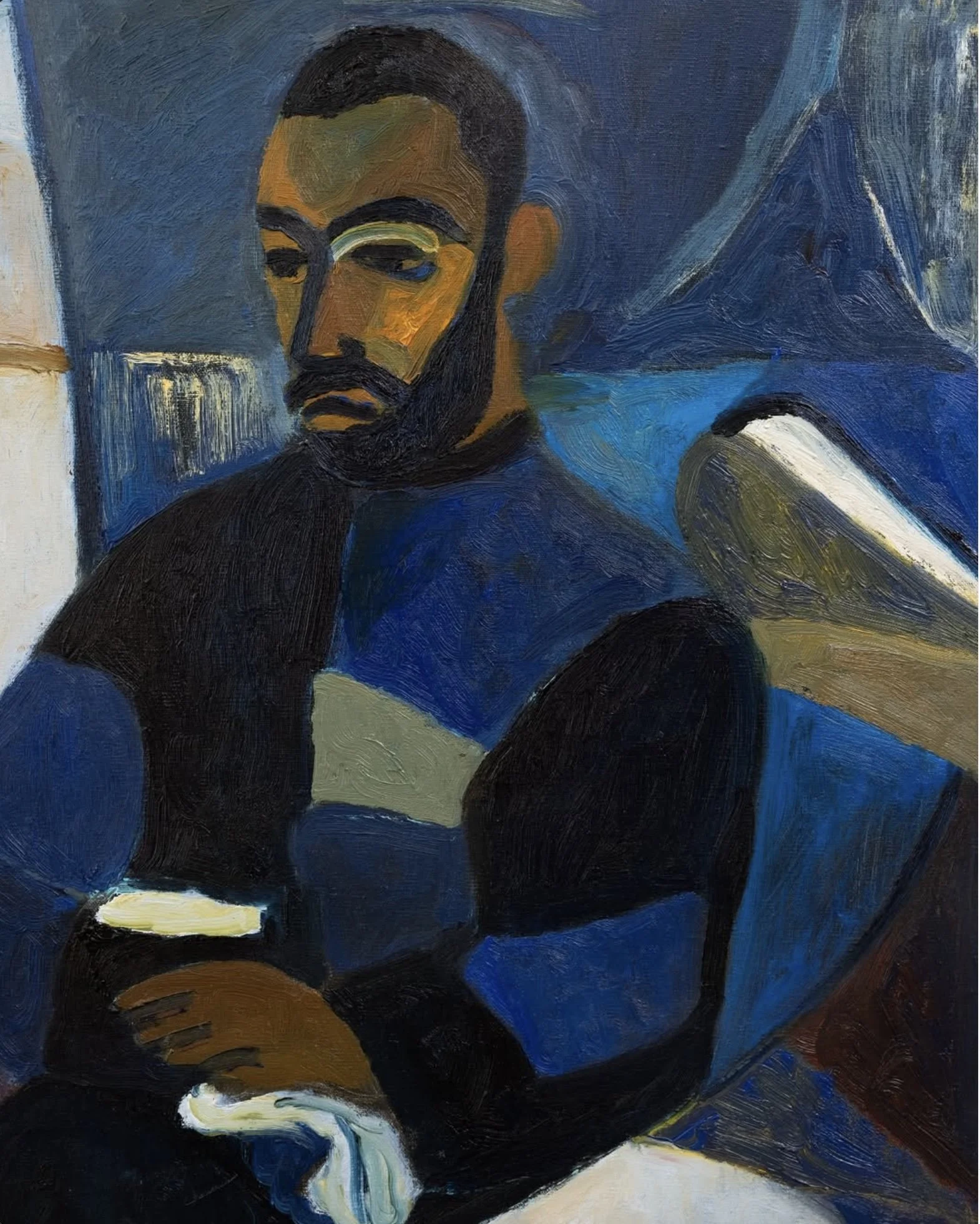
His subjects seem turned towards another place entirely somewhere inward, beyond the viewer’s access. Their stillness carries its own charge. These are figures shaped by memories that predate them, by histories that cannot always be spoken aloud.
They do not give us the full picture. They let something else surface.
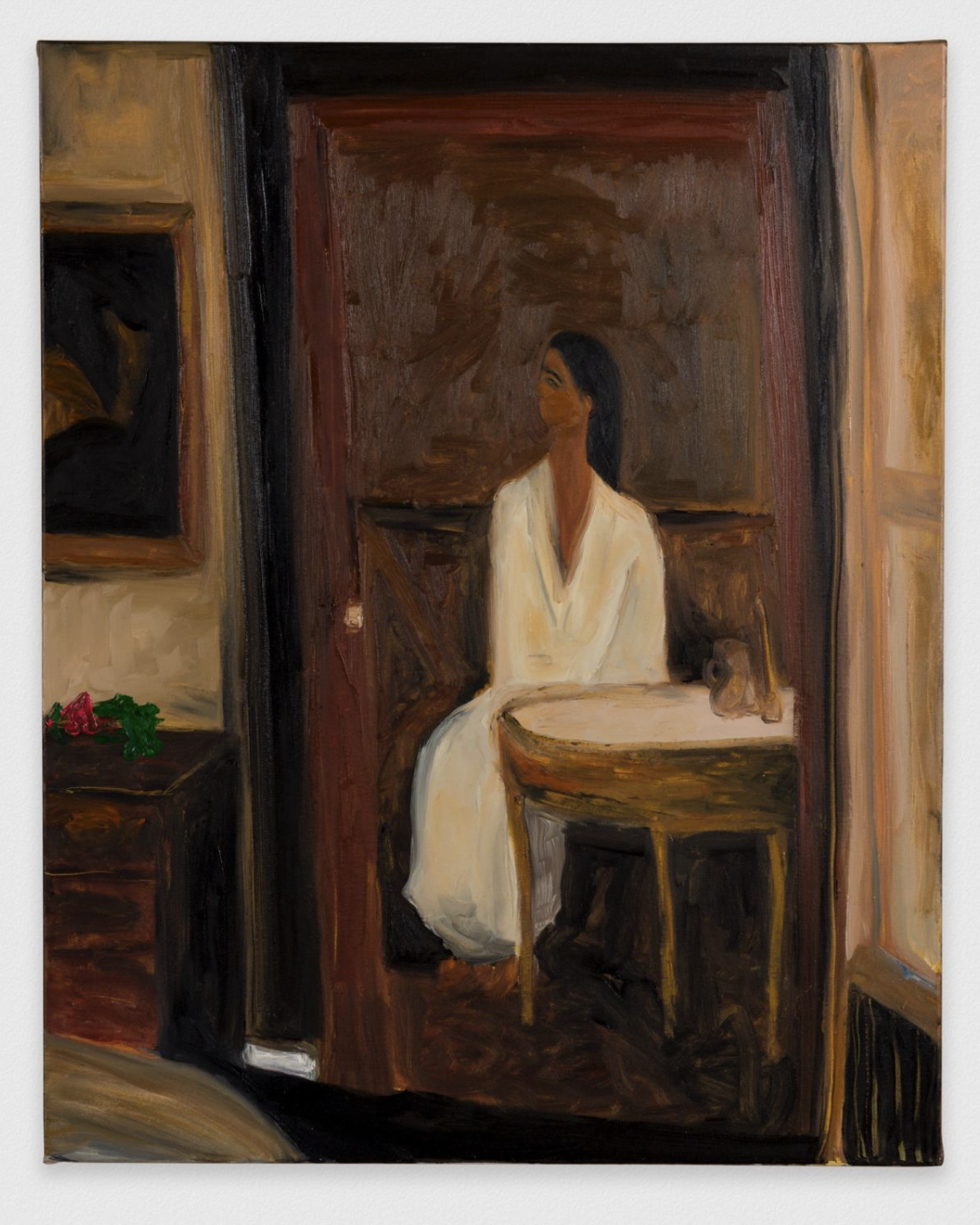
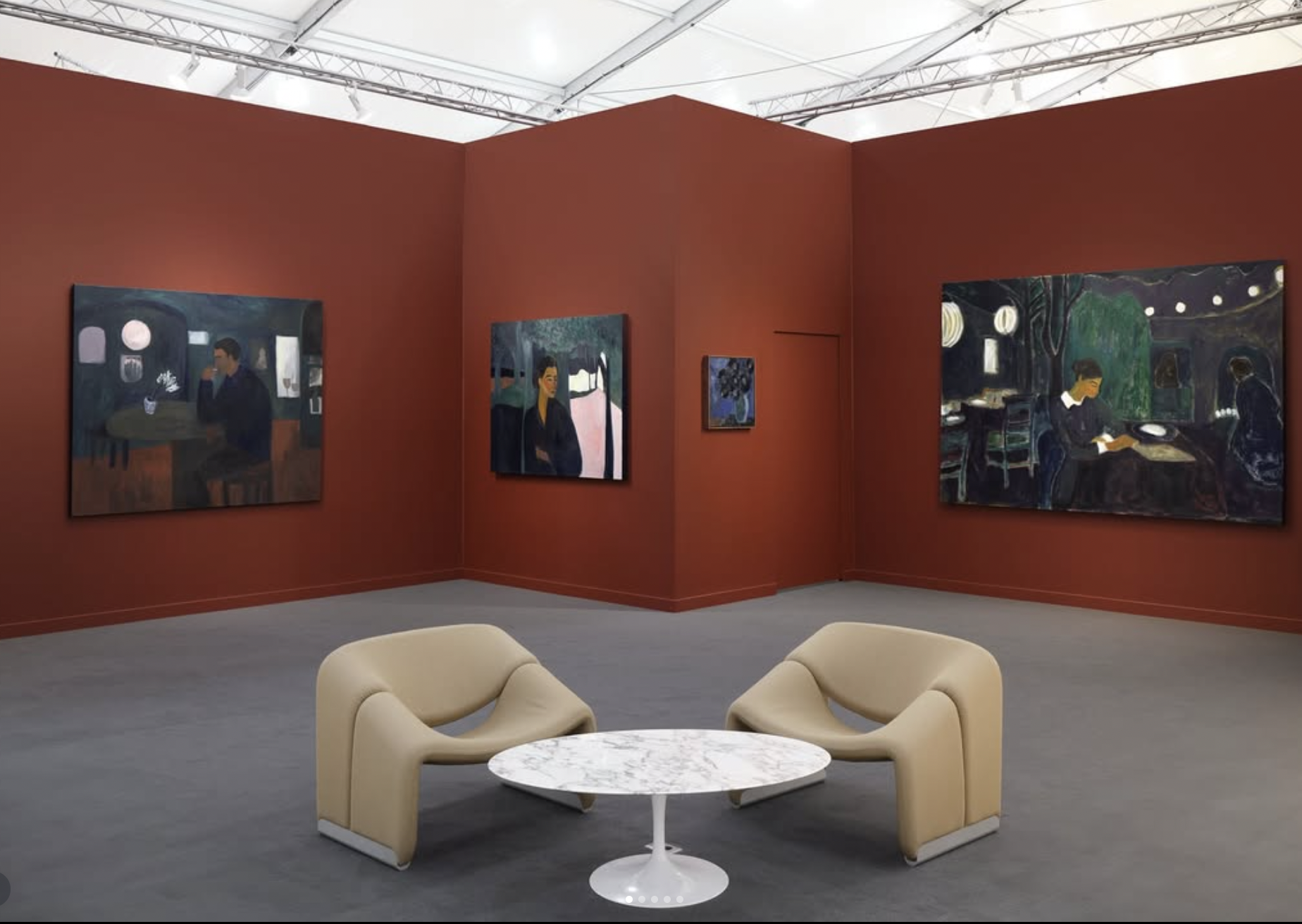
Their expressions resist easy interpretation. We cannot decide for them what they feel, what they have endured or what they choose to withhold. There is no ready-made narrative here, no invitation to consume another person’s experience in a single glance. The mystery stays intact.
That refusal matters. Black bodies are too often expected to stand for something—to signify pain, resistance, resilience, triumph. Eugène allows his subjects another kind of freedom. They can simply exist: elegant, quiet, elusive. They can occupy space without justifying their presence. They can be seen without being entirely decoded.
Dior: Reclaiming the “Pearl of the Antilles”
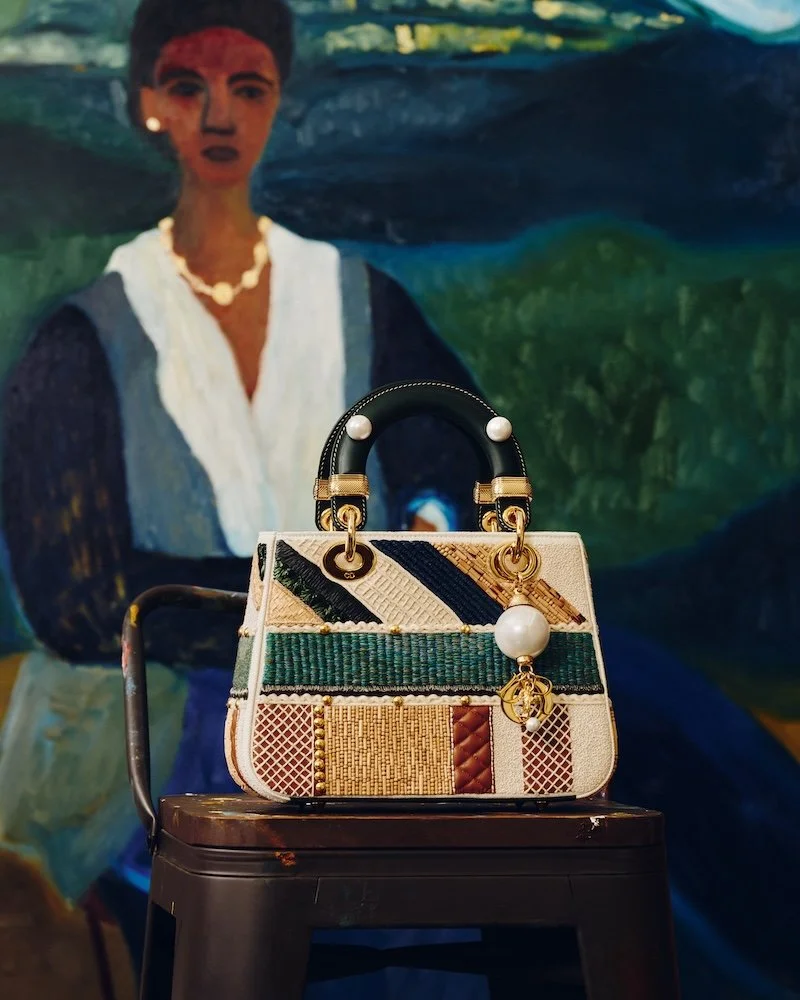
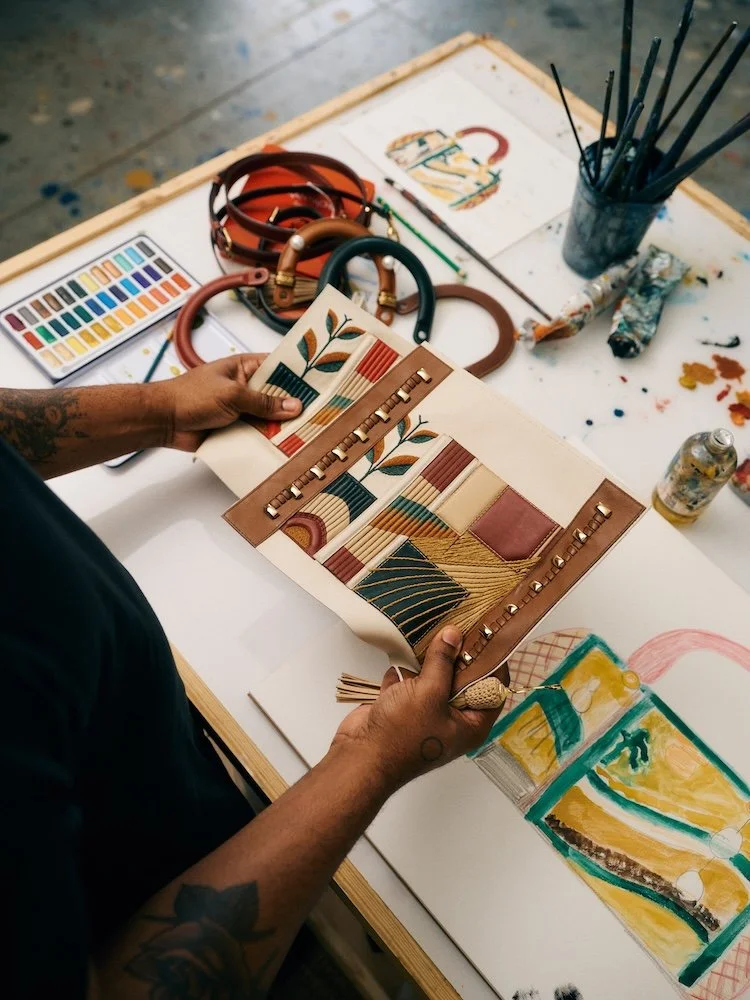
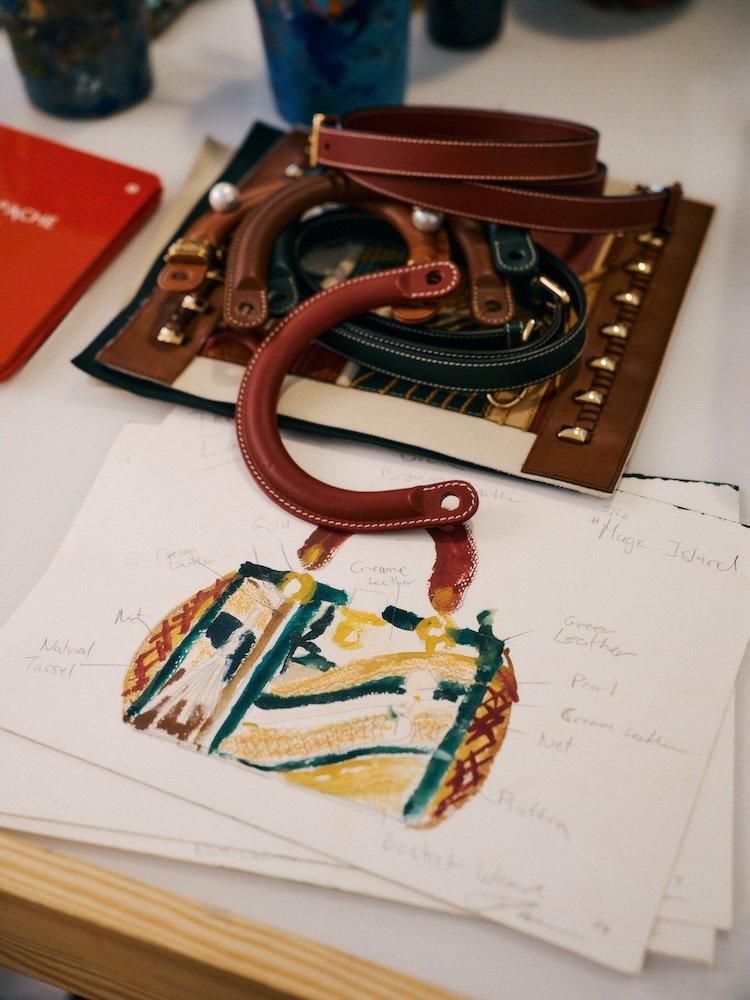
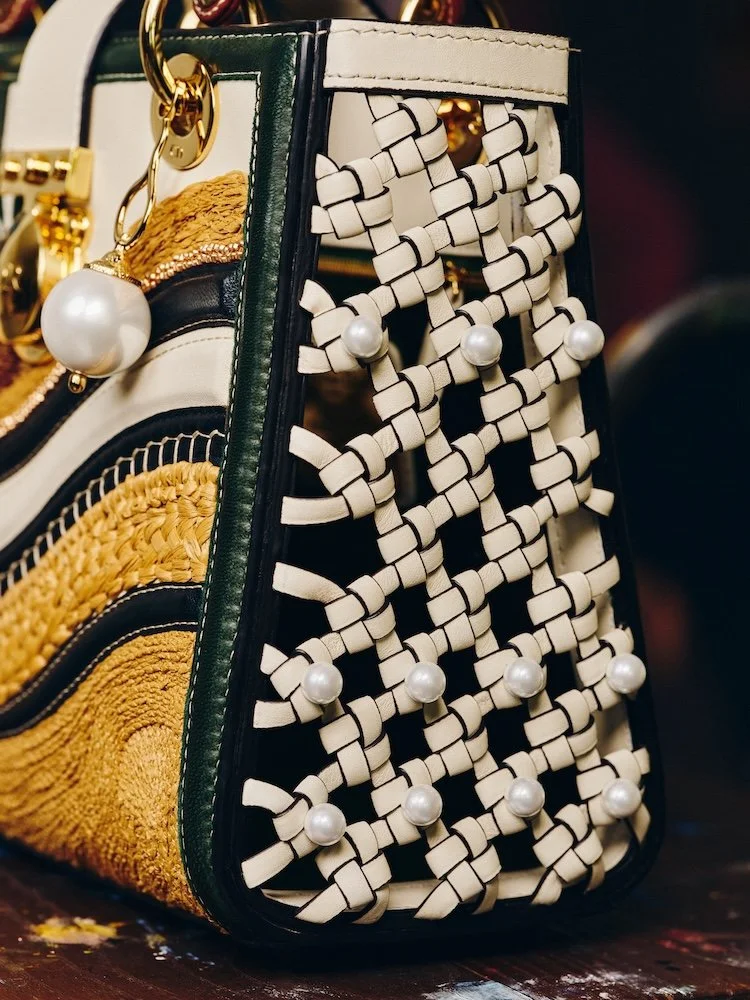
For the tenth edition of Dior Lady Art in 2025, Patrick Eugène reimagines the Lady Dior bag in three versions under the title The Pearl of the Antilles. Raffia, pearls, woven details and textile textures bring his painterly universe into dialogue with the codes of luxury.
The title carries its own history. “The Pearl of the Antilles” is a phrase long associated with Haiti’s colonial wealth, a name that turns a country into an object of beauty and desire.
Eugène takes it back. The emphasis shifts from the island as an exotic image to its living culture: its craft, its creative force, its dignity.
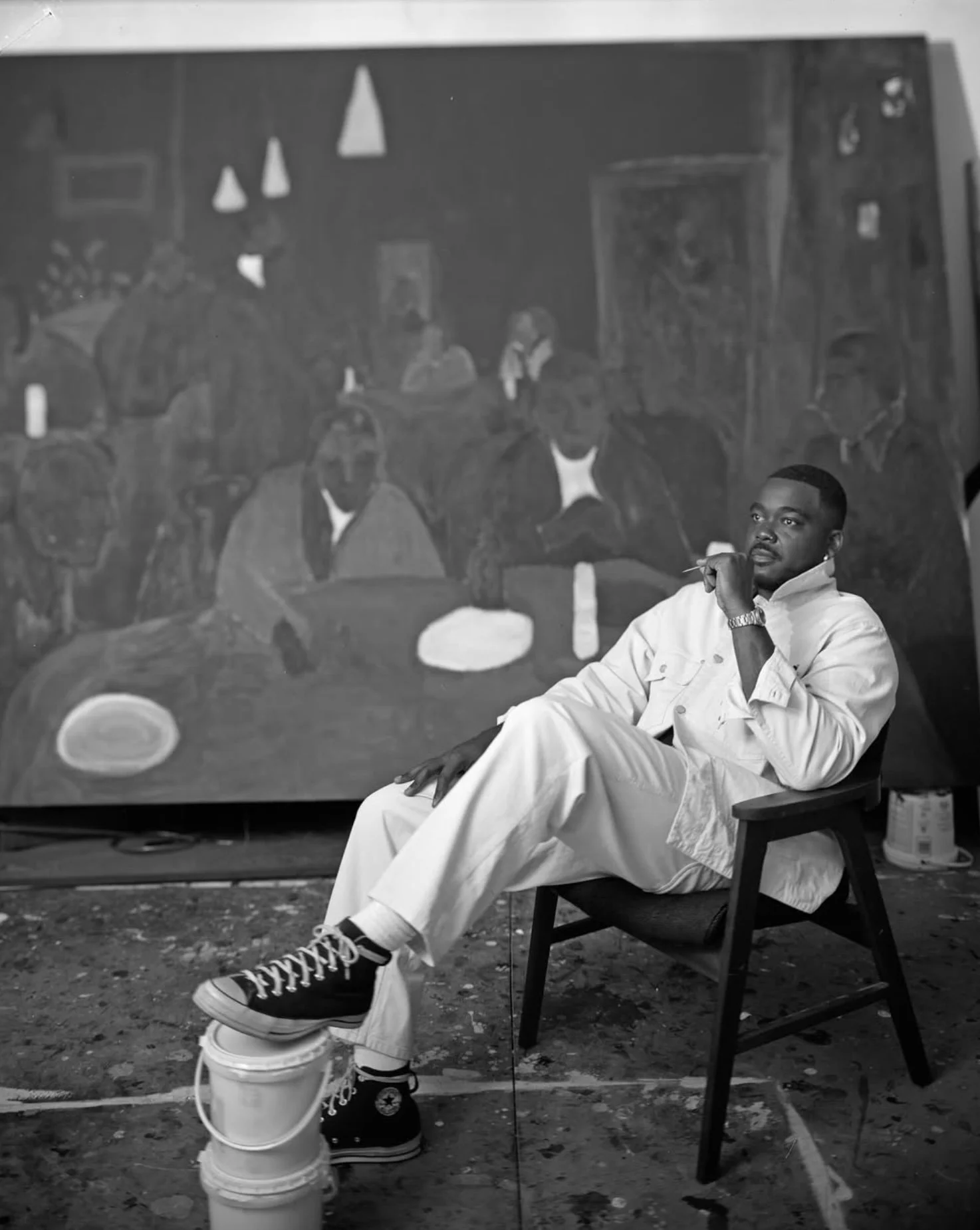
The project extends a question already running through his paintings: who gets to make the images through which a culture is understood? And who gets to decide what those images mean?
Moving from portraiture to the luxury object, Eugène keeps the same principle in view. Heritage is not a motif to be borrowed, packaged and sold back to the world. It is something alive—something that can be reworked without being stripped of its complexity.
« If my art could ask Haiti a question, it would be about responsibility and love. The question would be simple: ‘Am I honouring you as you deserve?’ I would ask Haiti as a child asks a parent, or an ancestor asks their lineage: ‘Am I listening closely enough? Is there something I am missing? Am I carrying you with the care, dignity and responsibility you need? »






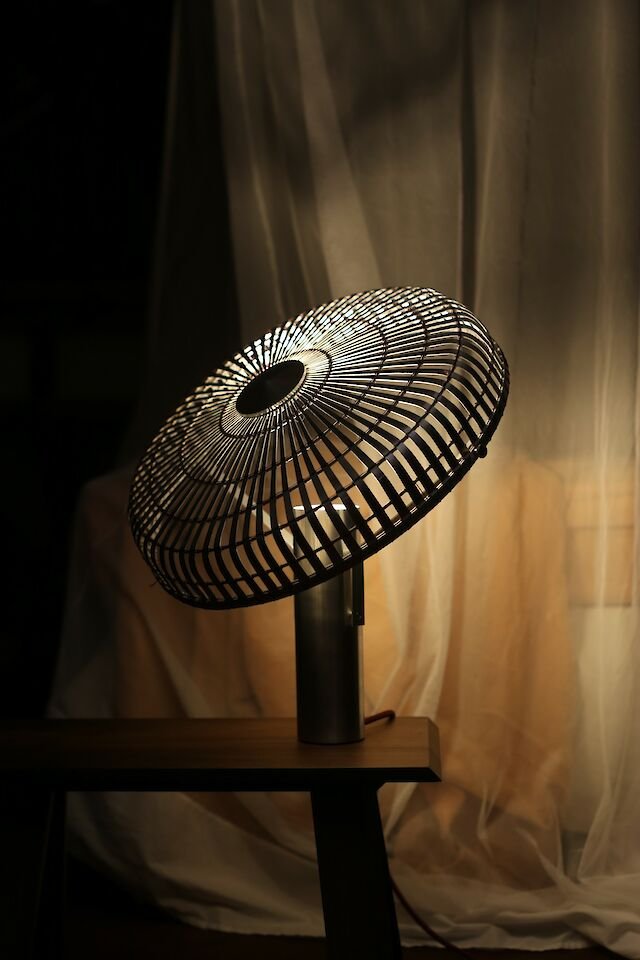

At Dach&Zephir, Guadeloupe is woven, carved and transformed into objects. For Paris Design Week 2026, the duo presents Souvenances, an exhibition marking ten years of creation at the crossroads of Creole memory, Caribbean craftsmanship and contemporary design. Another way of looking at what we call French design.