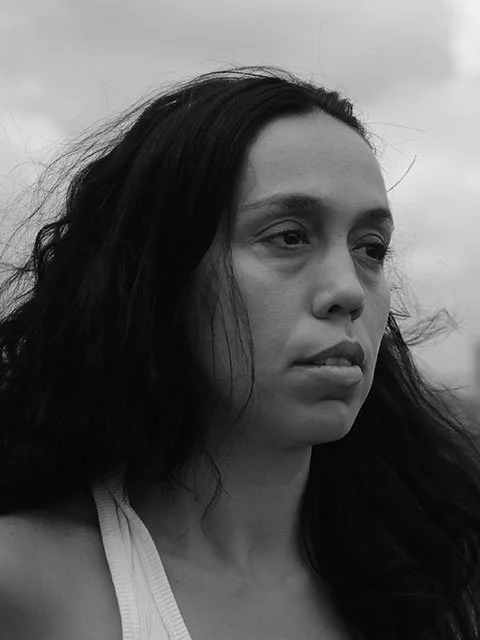
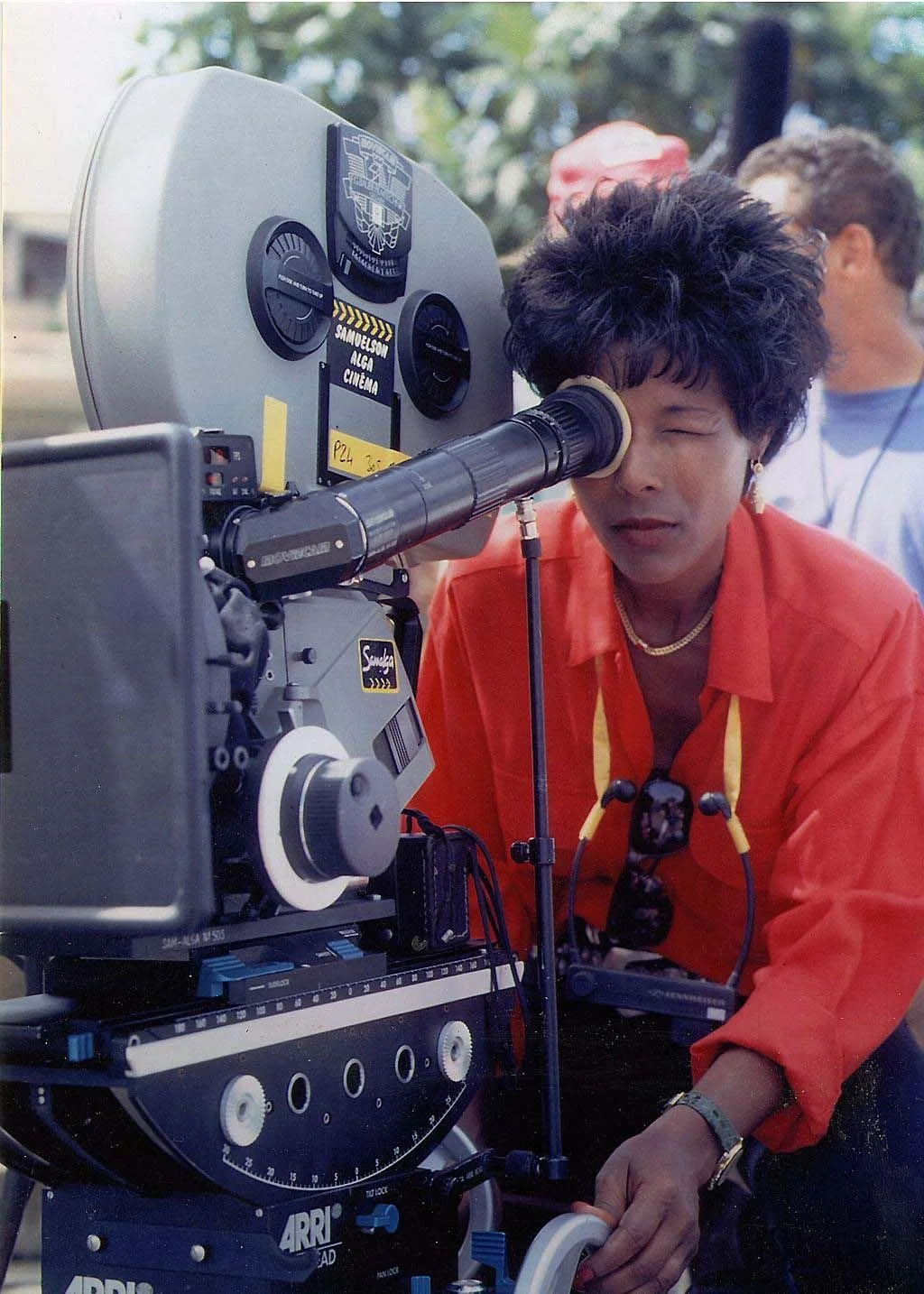
Portuguese-born Angolan visual artist, photographer and filmmaker Mónica de Miranda turns landscapes into living archives. Moving between photography and moving image, she creates scenes suspended between dream and reality, where bodies, architecture and nature carry the traces of colonial history. Her work isn’t simply about representing the world. It’s about reclaiming who gets to tell its story.
The Walls Remember

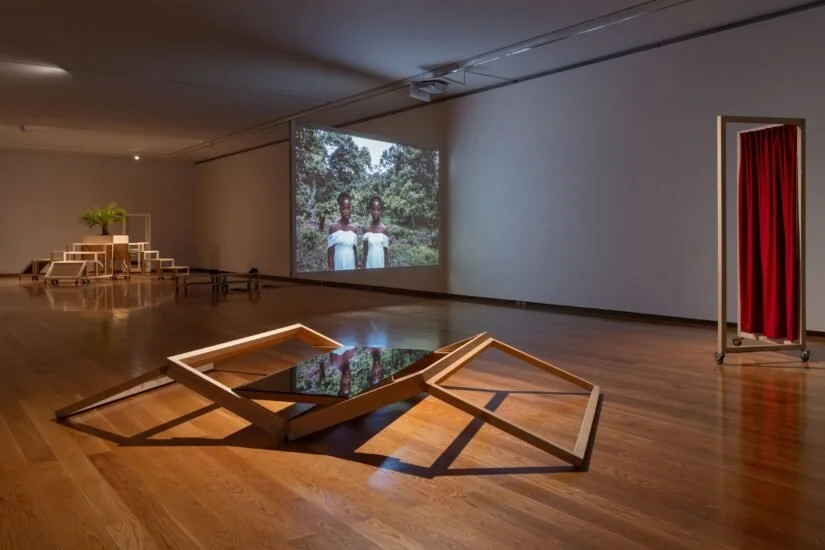
Born in Portugal to Angolan parents, Mónica de Miranda works at the intersection of art, cinema and research. In 2014, she founded Hangar, an art research centre in Lisbon. A decade later, she represented Portugal at the Venice Biennale with Greenhouse, a collaborative project exploring ecology, memory and resistance.
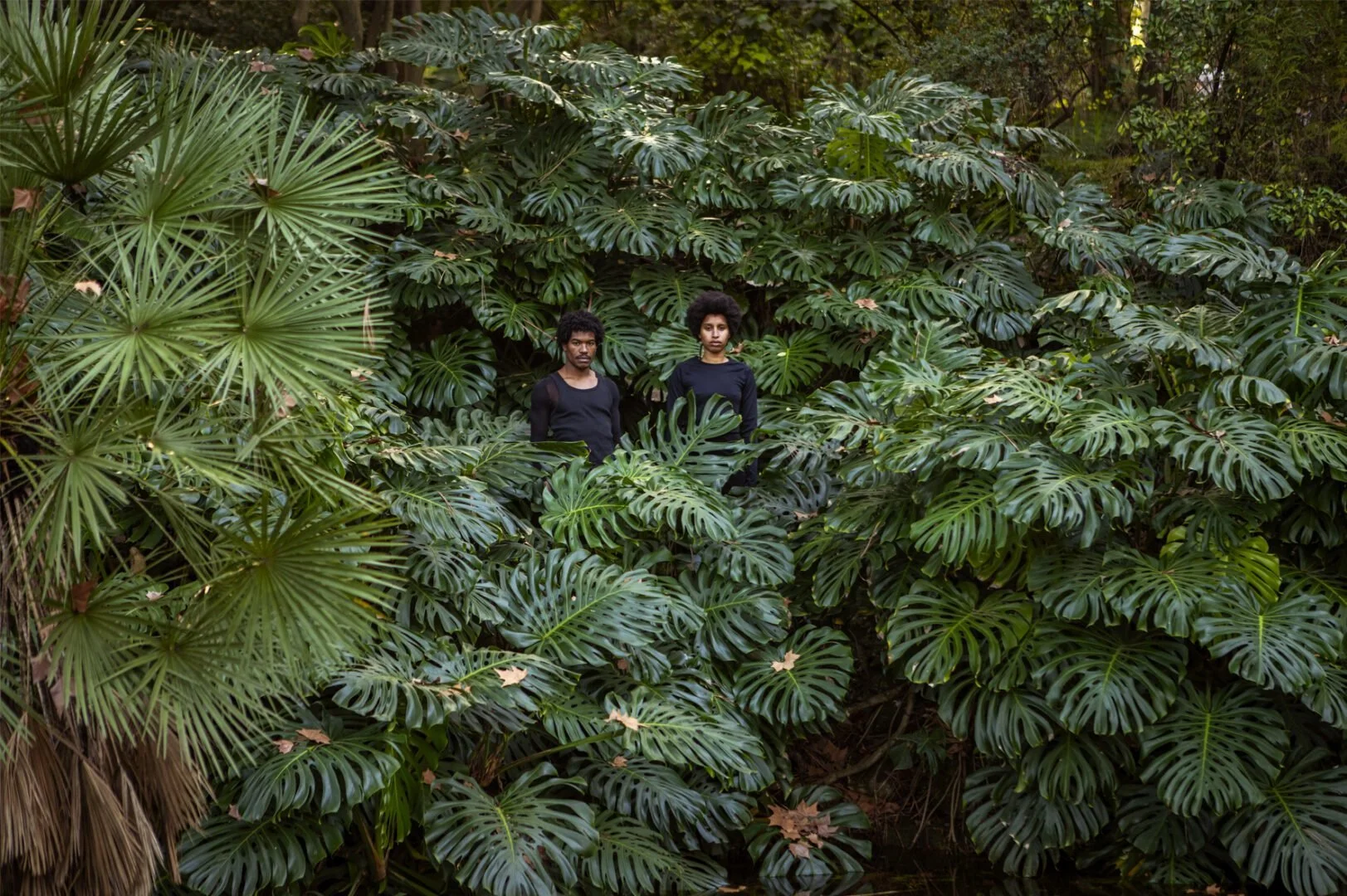
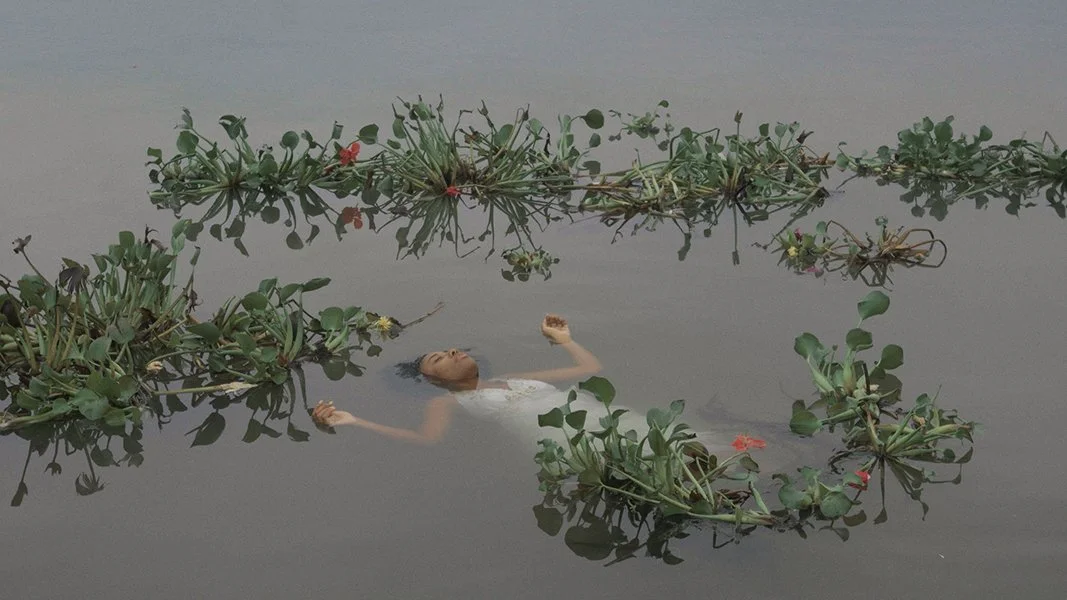
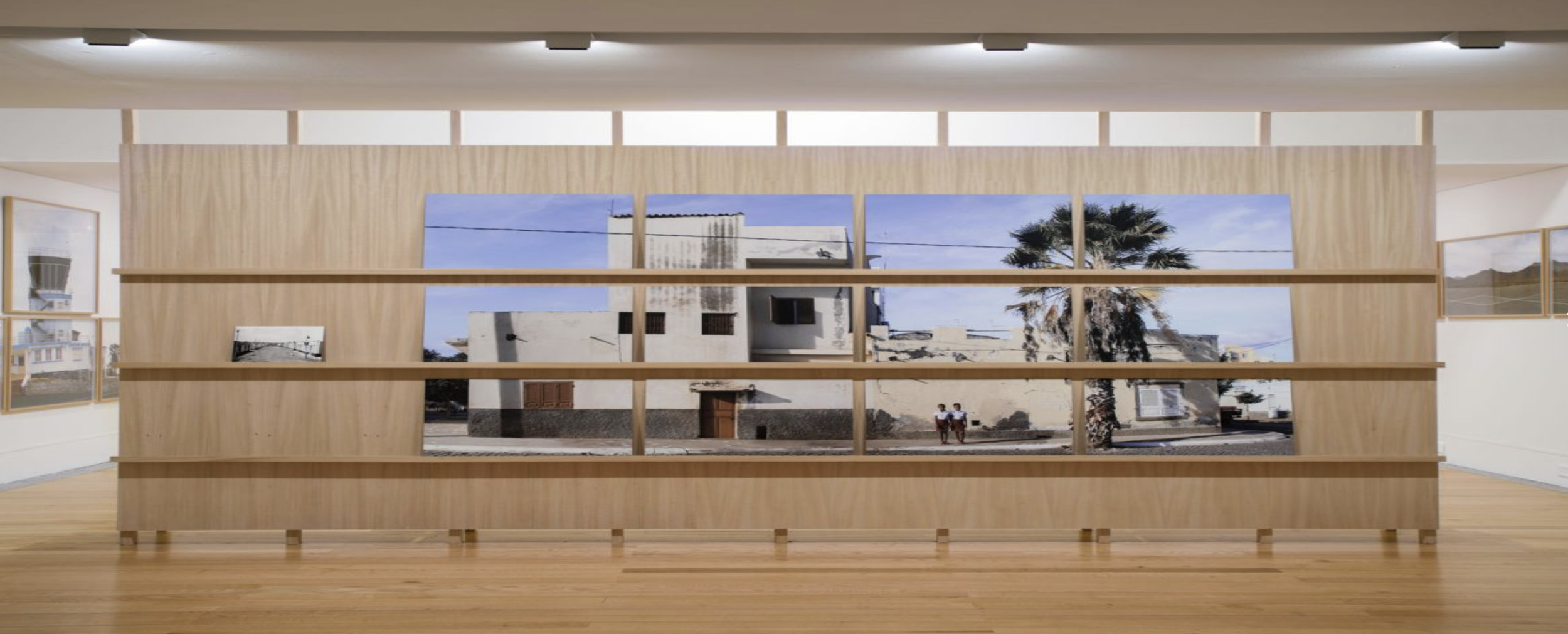
From Once Upon a Time and Home Sweet Sour Home (2013), the home emerges as more than a backdrop. It becomes a vessel for family histories, shifting identities and memories that refuse to stay buried. In Panorama (2017), the abandoned modernist architecture of Luanda tells another story. Buildings become witnesses to colonialism, civil war and the city’s relentless transformation.
Visually, de Miranda’s work feels like a living tableau. Carefully staged compositions. Figures suspended in space. Ghostly architecture. Distant horizons. Light and vegetation create an atmosphere that is at once haunting and dreamlike, without ever losing its political edge.
Her landscapes aren’t backdrops. They’re protagonists.
Reclaiming the Image
« In my adolescence, photography was an escape, a way to understand my place, body, and identity. »
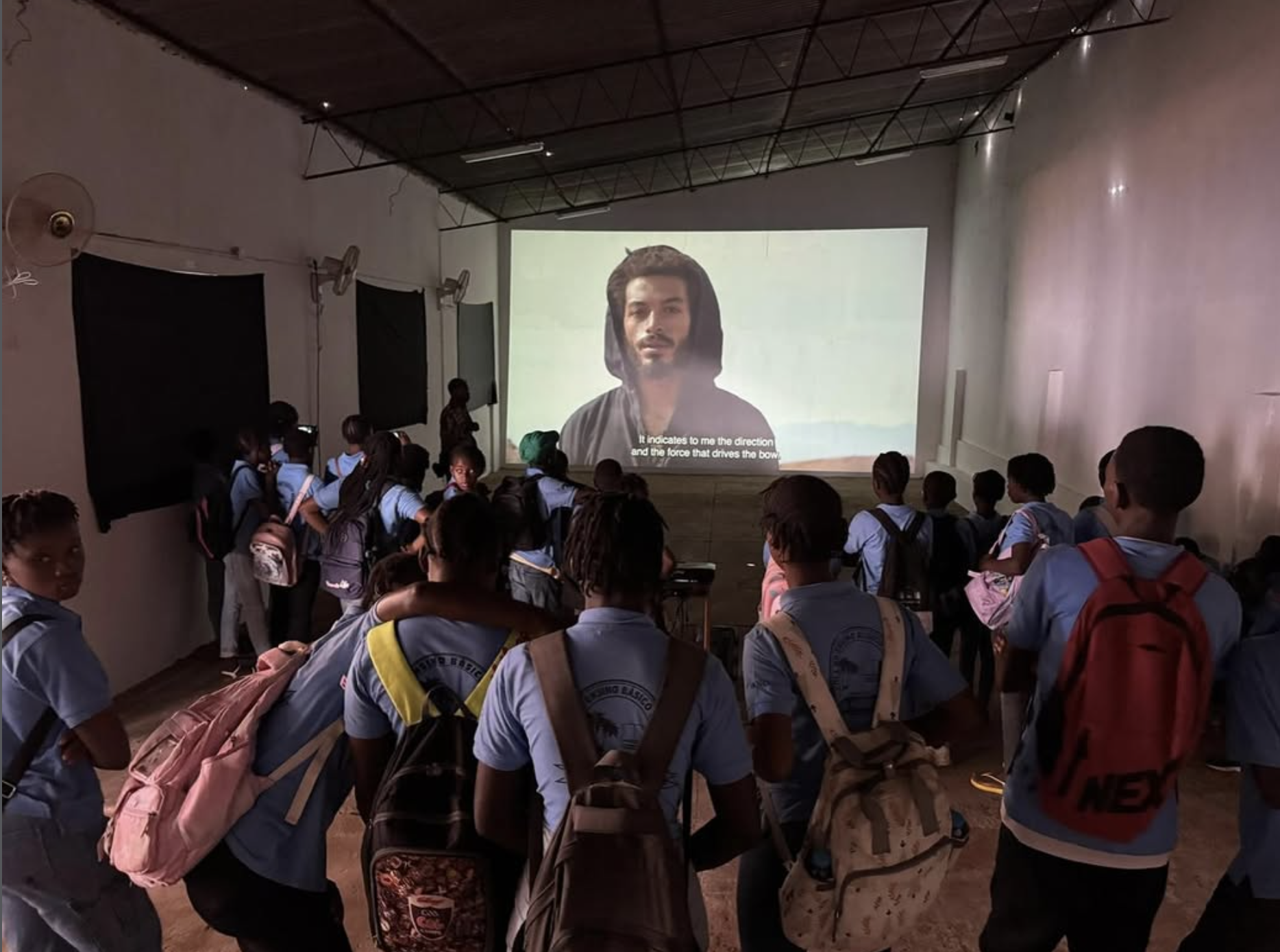
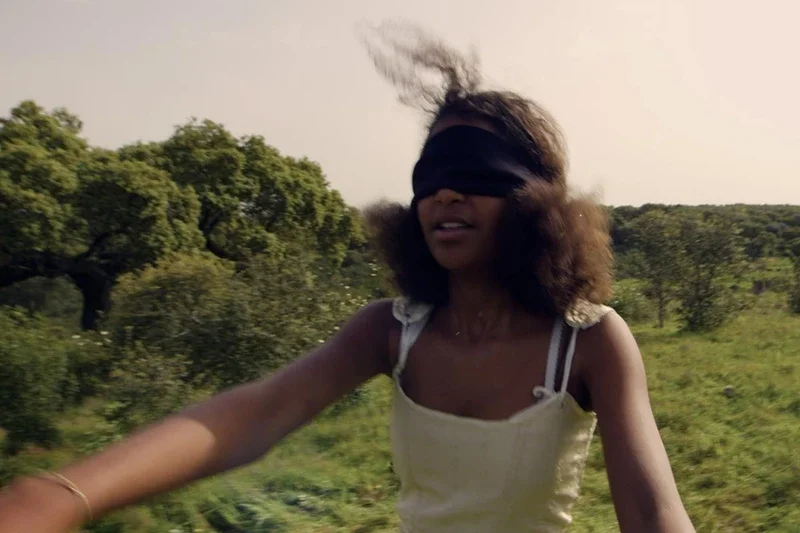
De Miranda doesn’t simply photograph the world. She stages it, unsettling the stories we’ve been taught to see. Mirrors, reflections, choreographed gestures and enigmatic figures blur the boundaries between self and other, past and present, documentary and fiction. Her images carry the tension of cinema, while resisting a single, fixed interpretation.
In The Island (2021), she weaves together Black presence in Portugal, migration and the legacies of European colonialism. The island becomes an ambiguous space: refuge, escape, but also a territory haunted by history. In Path to the Stars (2022), landscapes and staged figures continue this search for new imaginaries of freedom.
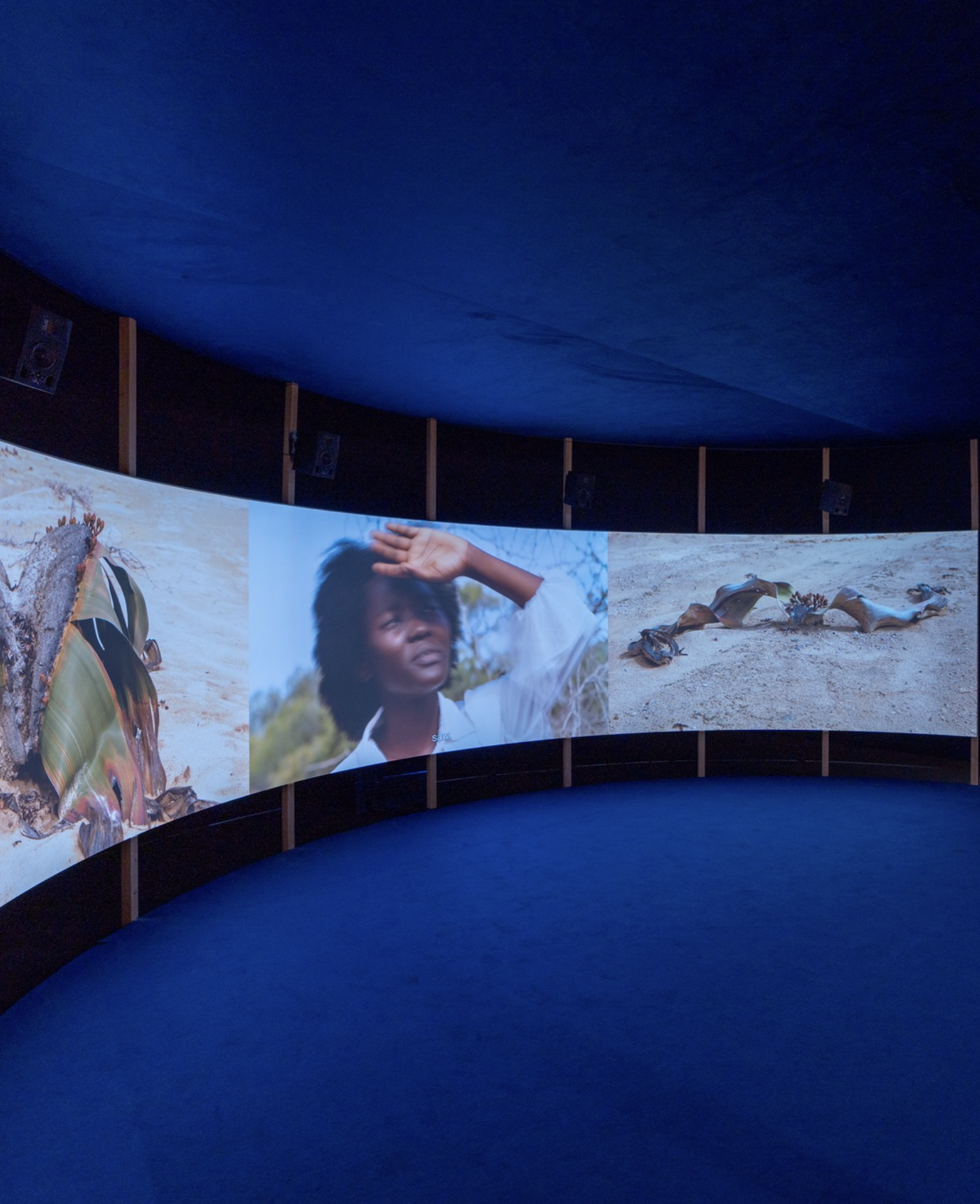
Her film As If the World Had No West (2024) pushes the question further. Bodies, natural elements and Angolan landscapes become the starting point for imagining a world no longer narrated solely from a Western centre. Nature is not an escape from politics. It holds the marks of extraction and violence, but also the possibility of repair.
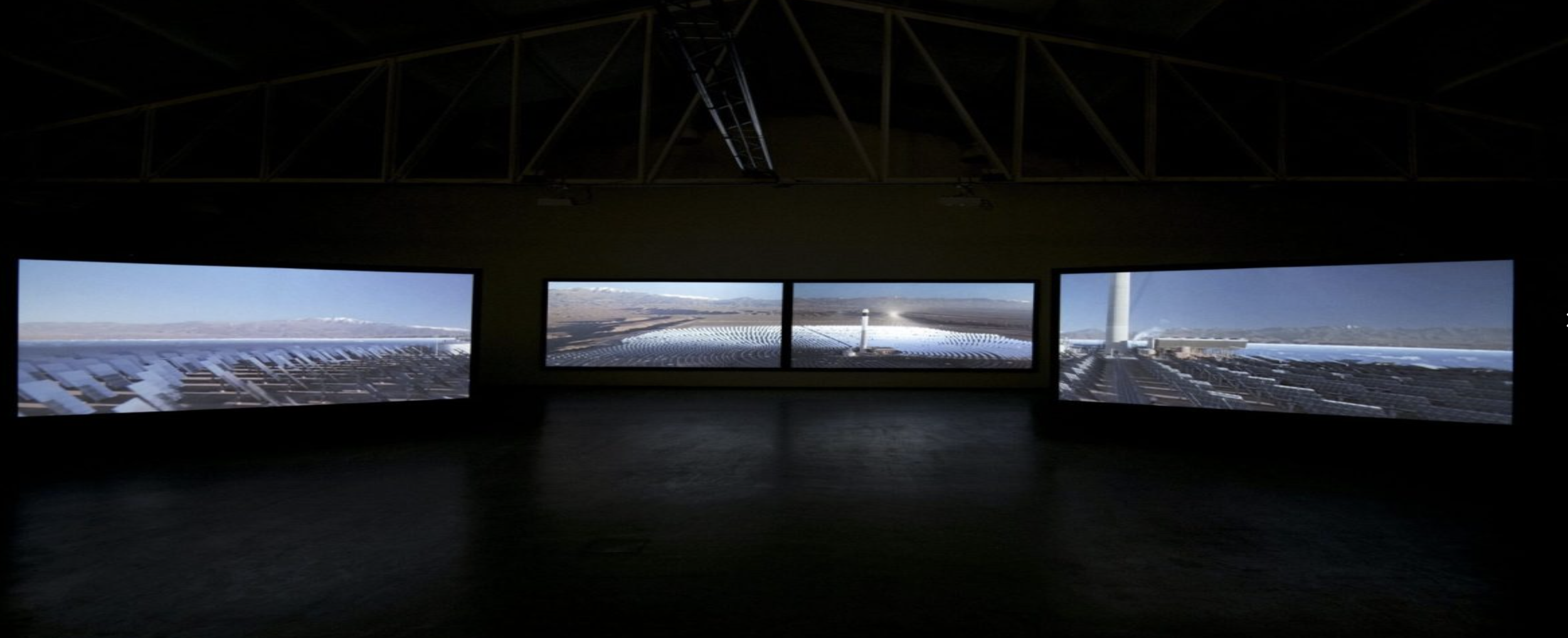
Moving image allows de Miranda to stretch time, breathe life into still photographs and give bodies a presence that official histories have often denied them. Her films borrow the documentary’s material and fiction’s freedom. They unfold like waking dreams: carefully composed tableaux that suddenly begin to breathe.
Her films don’t just tell a different story. They make us see differently.
Growing Futures from the Ruins
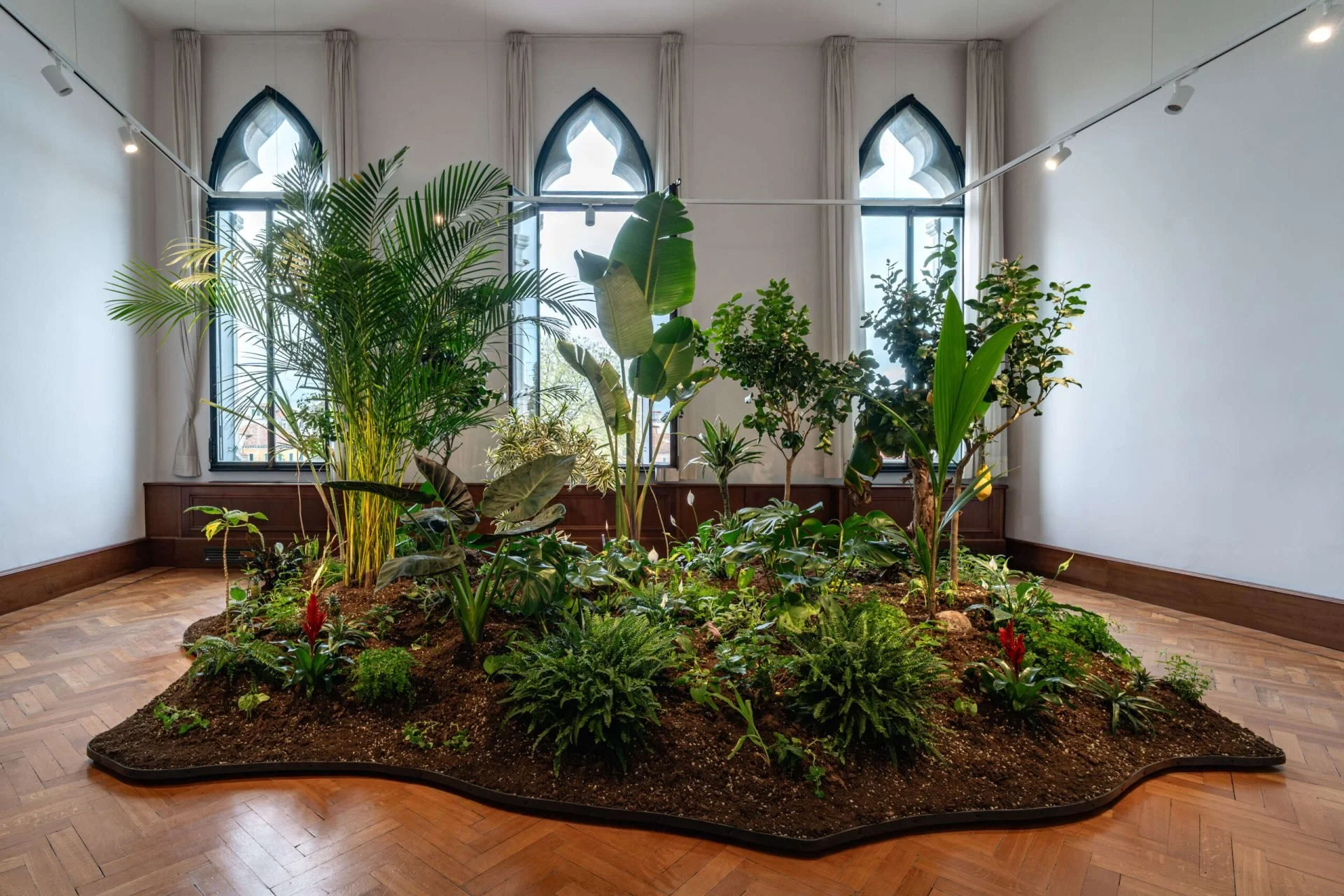
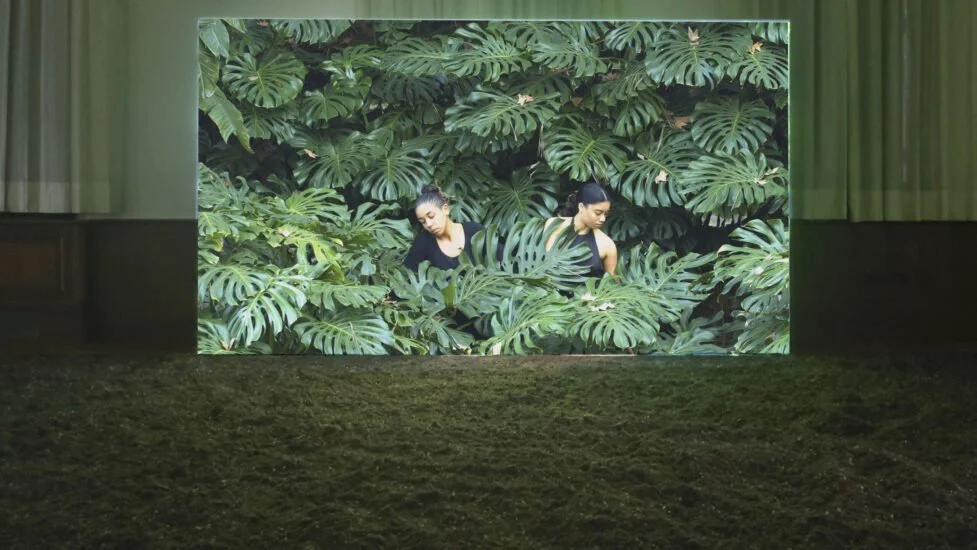
With Greenhouse, de Miranda transforms the Creole garden into a political and sensory space. Created with Sónia Vaz Borges and Vânia Gala for the Portuguese Pavilion at the 2024 Venice Biennale, the project brings together plants, living archives, movement and collective knowledge. Soil becomes an active form of memory: holding the traces of colonial violence, but also the histories of resistance that grew against it.
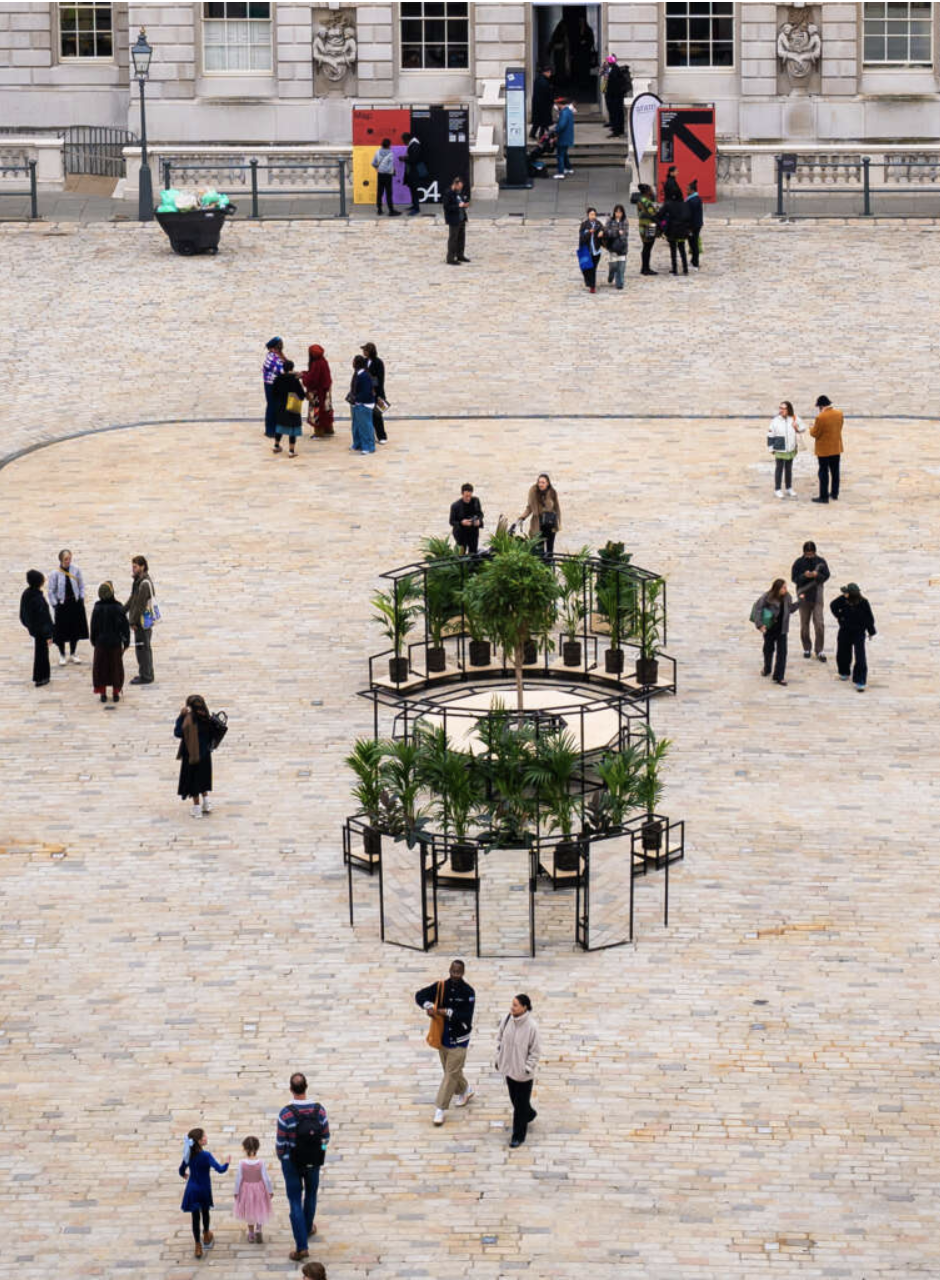
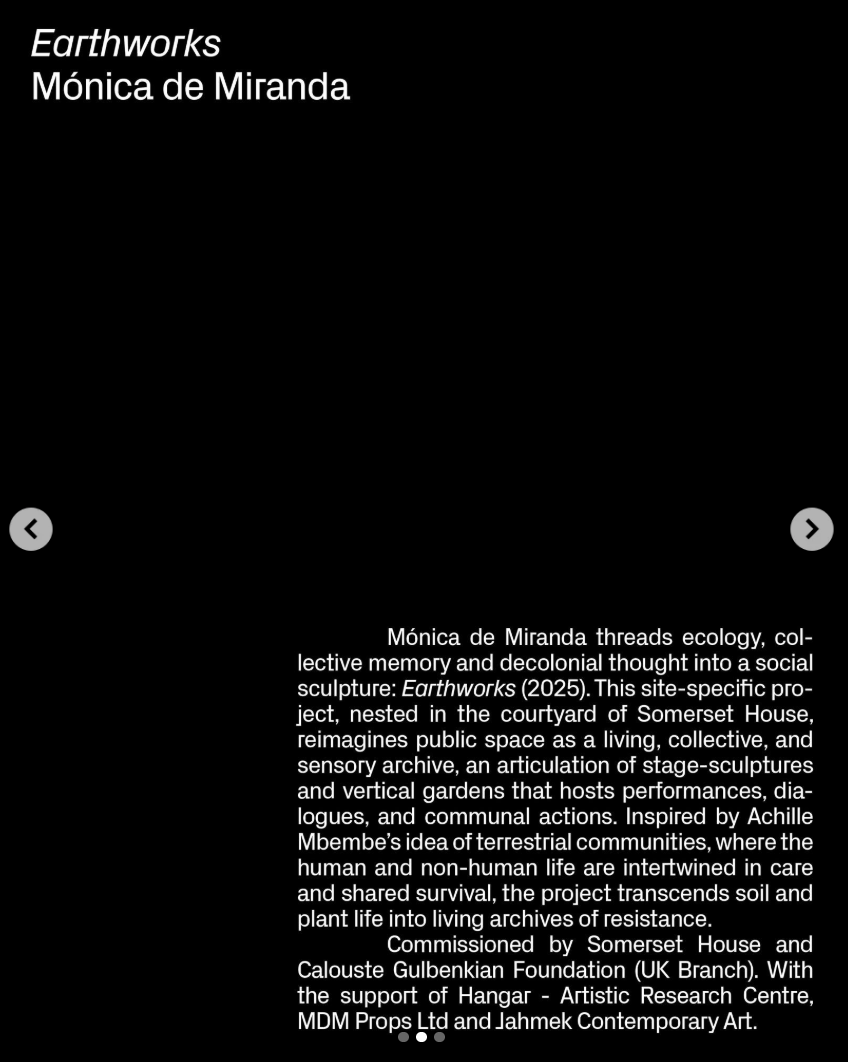
This thinking continues in Earthworks (2025), presented at Somerset House in London and at the Kochi-Muziris Biennale. Wood, steel, soil and plants form a practice that moves beyond the image, building tangible relationships with the living world and local communities. Art becomes a space for collective experimentation, where ecology, memory and social transformation meet.

Her recent exhibitions extend this inquiry. The Sun Does Not Rise in the North, presented at La Cárcel Vieja in Murcia from September to November 2026, explores migration, border control and Black geographies of freedom through the contested territories of Ceuta and Melilla. From 12 November, her work will also feature in The Earth, the Fire, the Water and the Winds: For a Museum of Errantry with Édouard Glissant at Villa Arson in Nice, an exhibition engaging with landscape, displacement and collective memory.
Across photography, film and installation, de Miranda builds a practice in which aesthetics and politics are inseparable. She neither erases the ruins nor romanticises the wounds of the past. Instead, she asks what might grow in their aftermath.
https://monicademiranda.org/







At Dach&Zephir, Guadeloupe is woven, carved and transformed into objects. For Paris Design Week 2026, the duo presents Souvenances, an exhibition marking ten years of creation at the crossroads of Creole memory, Caribbean craftsmanship and contemporary design. Another way of looking at what we call French design.