What Does It Mean to Be Afropean Today?
A new Afropean generation is shaping contemporary culture in Europe visually, sonically, politically. Even so, it continues to emerge within a space where the white gaze still determines its legibility, legitimacy and place.
What does it feel to be Afropean?
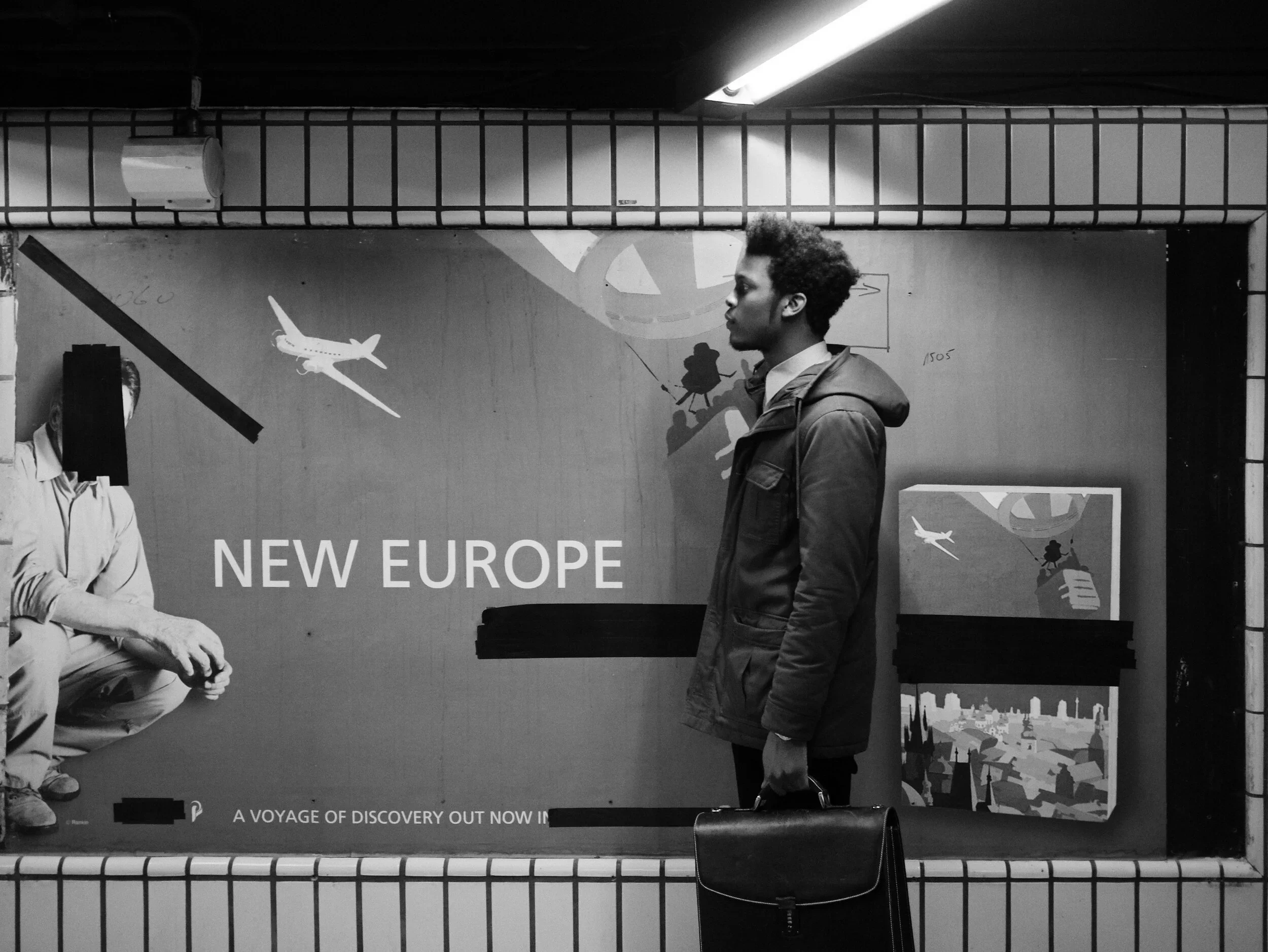
New Europe (2013), London, from Afropean © Johny Pitts
London, Paris, Brussels, Lisbon, Amsterdam… Europe likes to narrate itself through open capitals, the language of hybridity and the liberal fiction of diversity. It celebrates the energy of its margins, so long as they remain legible as margins. It absorbs their codes, consumes their forms and recycles their aesthetics, without always acknowledging what they actually produce: one of its most decisive contemporary forms.
While I Write (2015), Grada Kilomba, from Decolonizing Knowledge: Performing Knowledge, first presented at the Secession, Vienna.
The point is not to prove that a non-white Europe exists. It already does. It writes, creates, publishes, performs. The real question lies elsewhere: in the way this presence is still received. Seen, often, before it is recognised. Visible, without ever being fully understood as central.
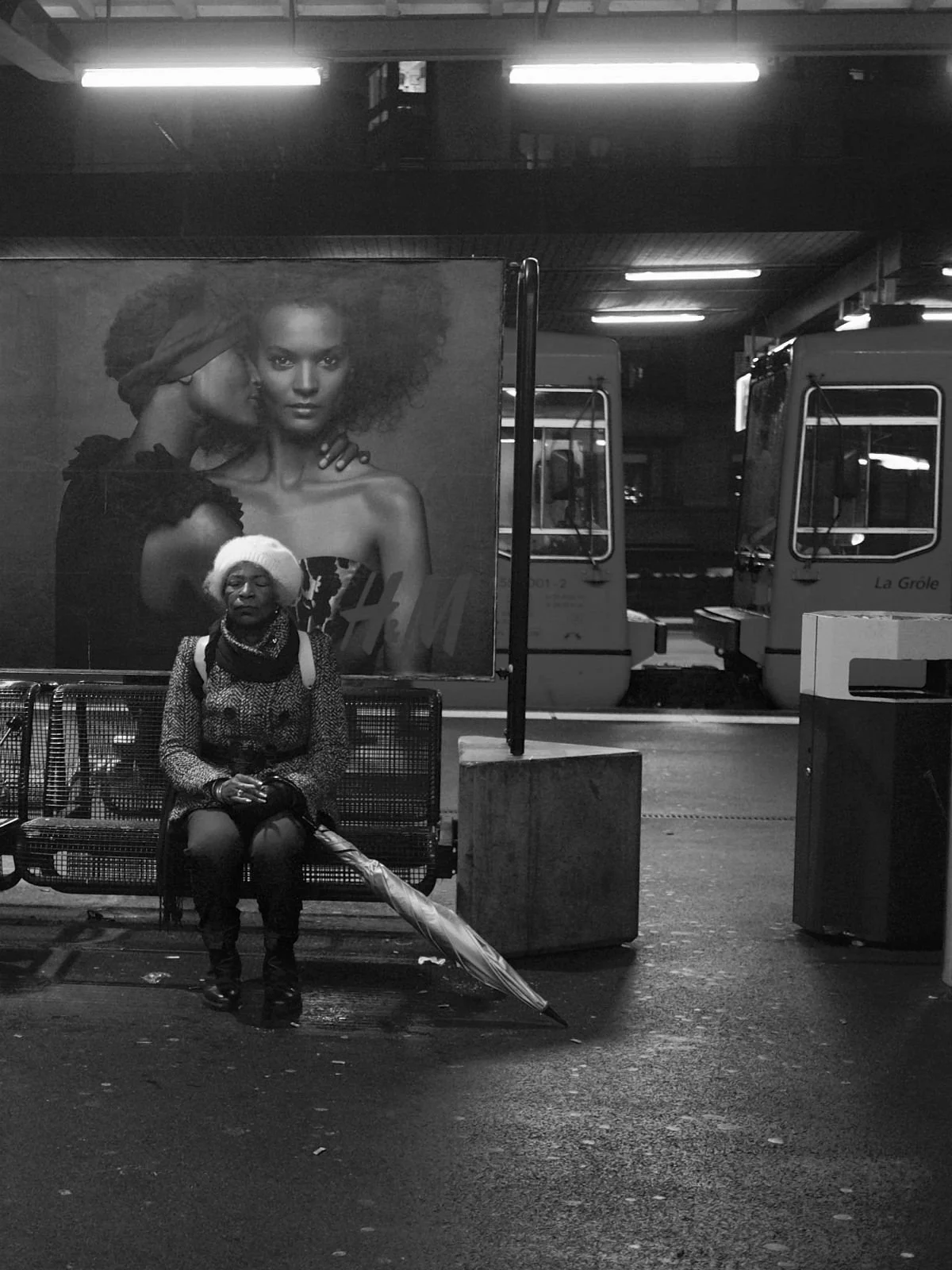
H&M (2013), Bern, from Afropean © Johny Pitts
Afropeanness is not just another identity. It is neither a soft category, nor a diversity add-on, nor the cultural gloss of a post-racial Europe that does not exist. It is a rupture in the European narrative. A way of exposing what Europe still refuses to see: that its margins are already producing its centre, and that its modernity has always been shaped in contact with what it has kept at a distance.
Born Here, Seen as Foreign
Black geographies, French hierarchies

Fanon (2024) by Jean-Claude Barny, a portrait of Frantz Fanon through anti-colonial thought, psychiatry and the struggle for decolonisation.
Unlike the African American experience, minority experience in France is not uniform. It remains structured by imperial geography. Between the French Caribbean, French Guiana, the other overseas territories, and the former colonies of sub-Saharan Africa and the Maghreb, France has produced implicit hierarchies of legitimacy, proximity, and belonging.
A French Caribbean person born a French citizen is still often perceived as partially external, yet remains more legible within the national narrative than a Senegalese or Malian person, who is more readily cast as irreducibly other.
This hierarchy is not incidental. It extends an older colonial logic: divide Black experience, then return it to the same minor position. In France, what is called communautarisme is often less a chosen retreat than a response to a society that has already produced separation.
In Europe, visible, never quite from here
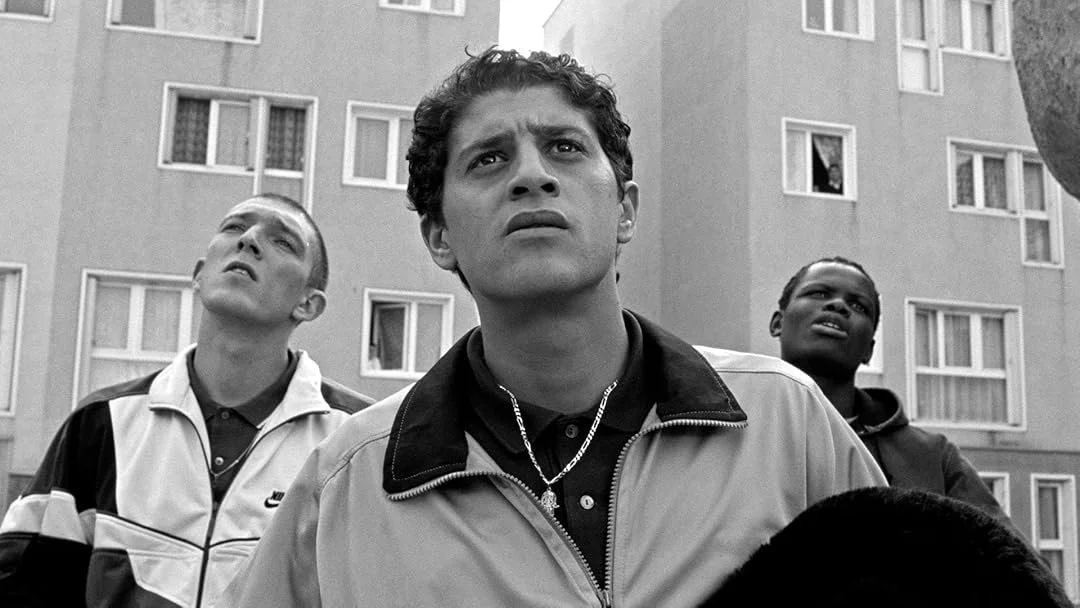
La Haine (1995) Mathieu Kassovitz
Europe likes the language of cosmopolitanism; it is less comfortable with its consequences. It tolerates racial mixing as décor, less so as narrative revision. It celebrates diversity as a sign of openness, while continuing to reserve the ease of belonging for those who have never had to prove it.
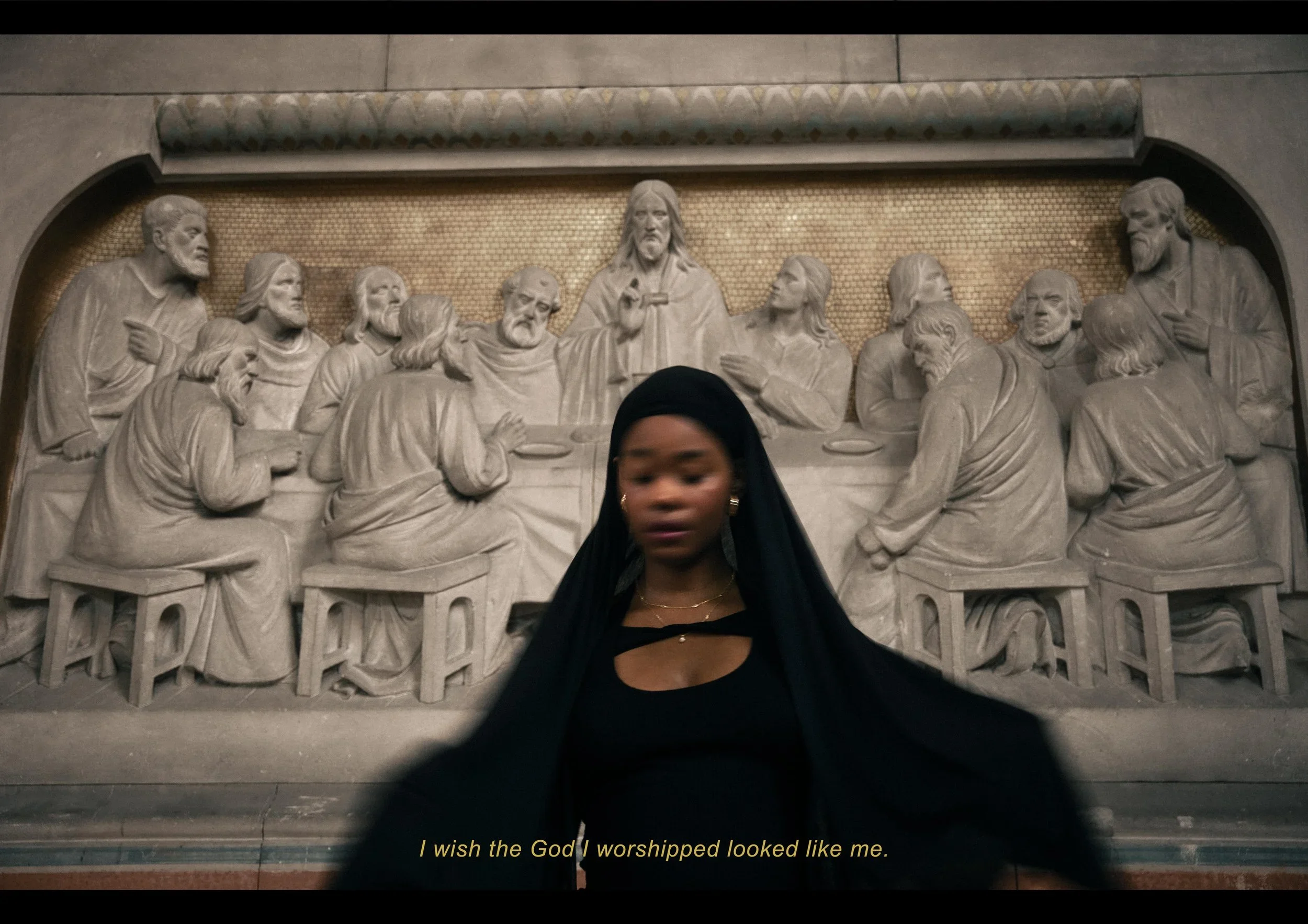
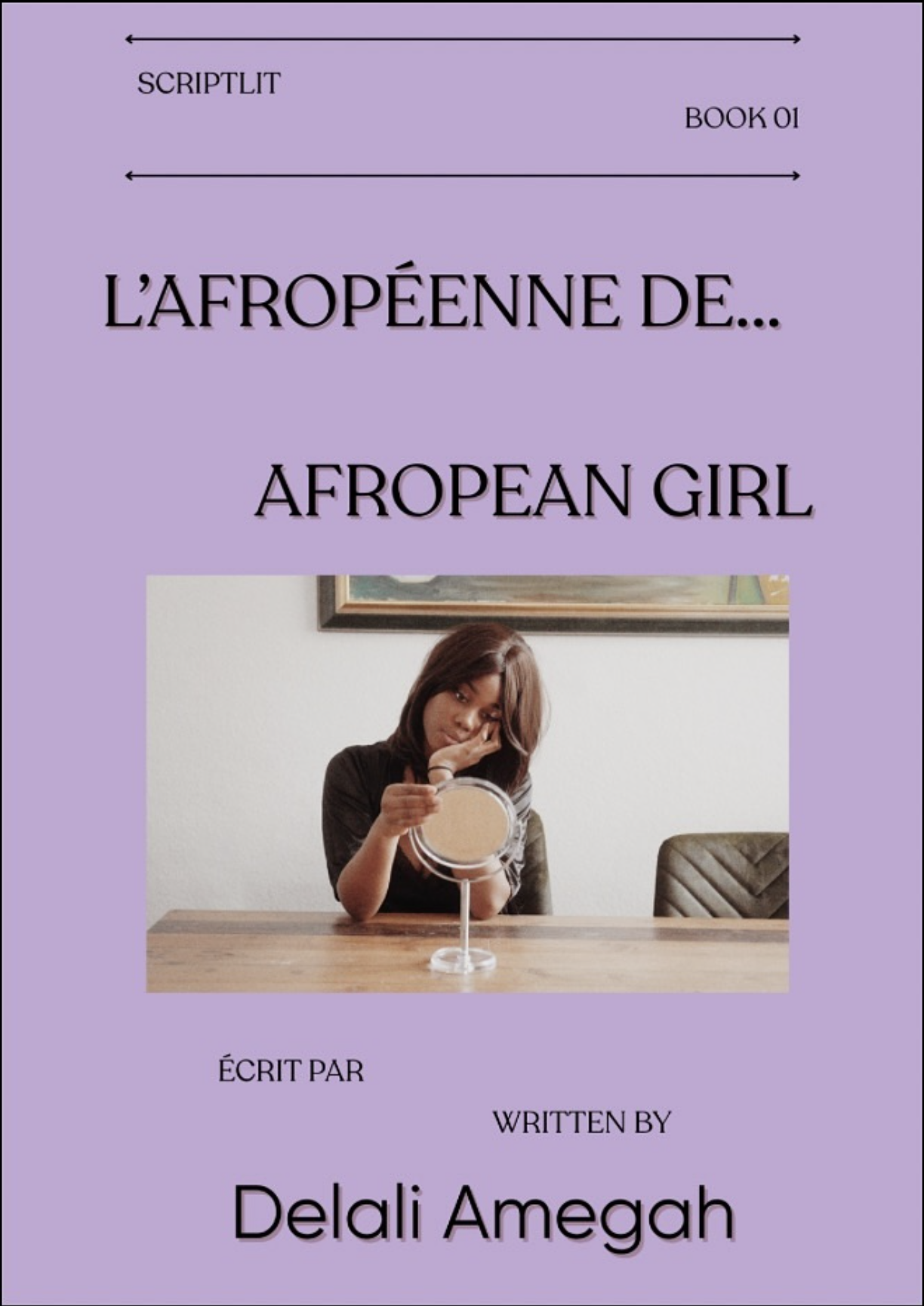
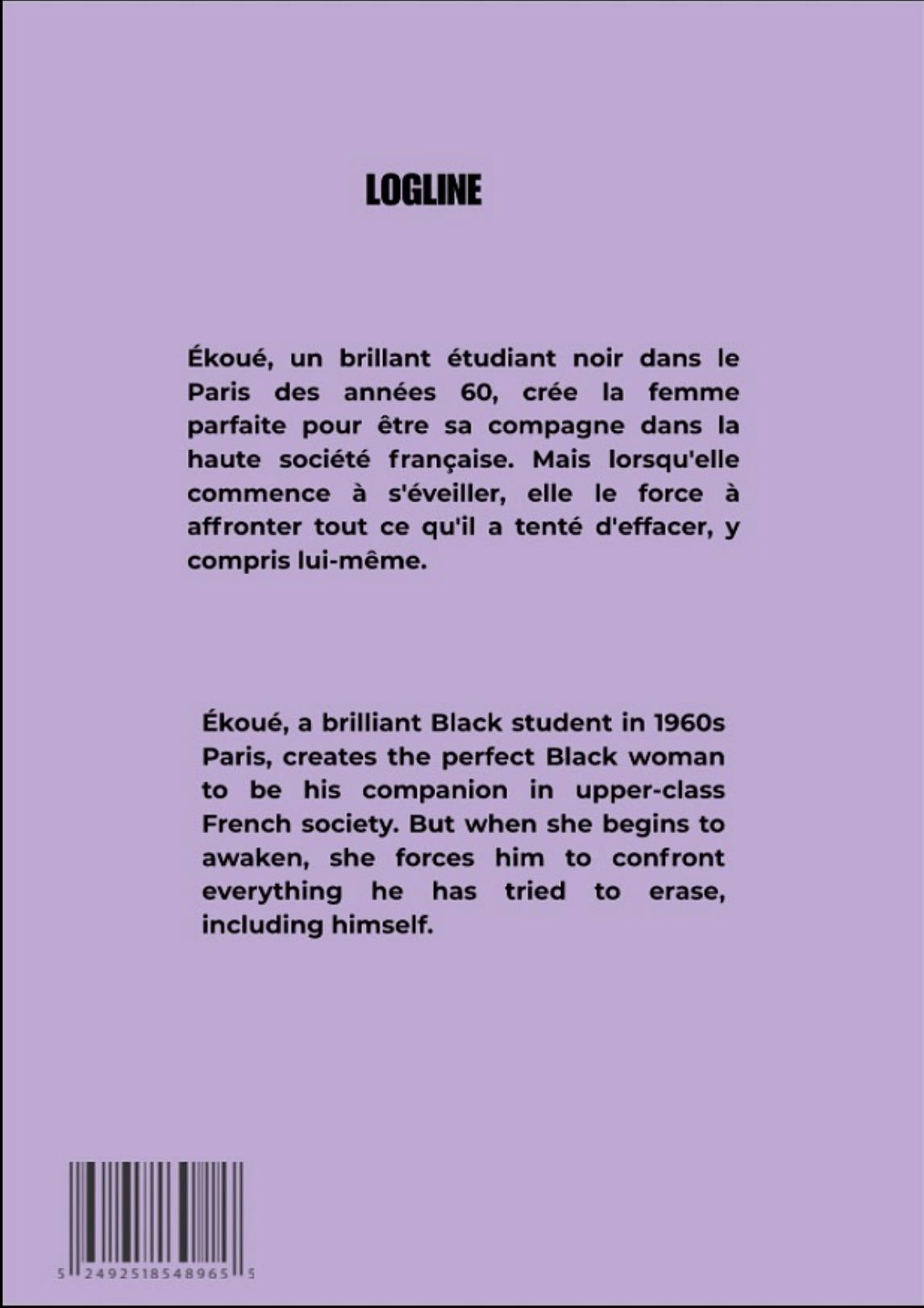
Afropean Girl (2024), Berlin © Delali Amegah
To be Afropean is to occupy a position Europe still treats as contradiction: to be born here, raised here, create here, and still remain assigned to a form of exteriority. Not foreign in the administrative sense, but foreign in the perceptual one. An otherness repeatedly reactivated. A proximity never fully naturalised.
This suspicion is not anecdotal. It structures. It organises hierarchies of visibility, narratives of belonging, thresholds of legitimacy. It says less about Black bodies than it does about Europe’s ongoing inability to imagine its own plurality beyond a white norm that remains largely intact.
Why?
This is where colonial history persists—not as residue, but as infrastructure. Not in the past Europe commemorates, but in the habits of perception that still organise the present. The question is no longer simply who belongs to Europe. It is why Europe continues to recognise some bodies as contemporary to itself, and others as presences still waiting to be situated. What, exactly, is Europe afraid of?
Creating Under Watch
Producing form inside a space that still demands translation
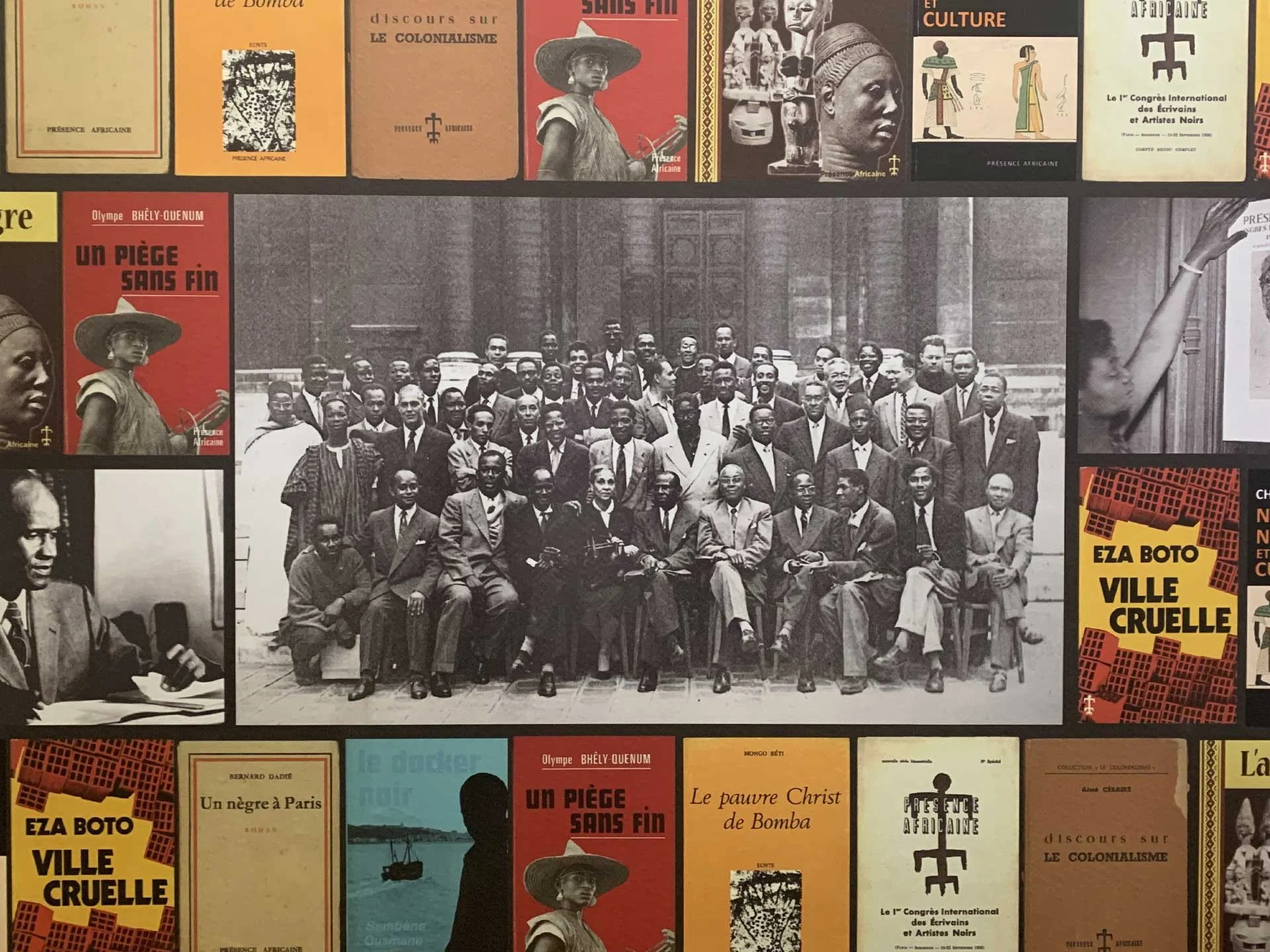
Paris Noir (2025), Centre Pompidou, Paris
European cultural life is not exempt from this logic; it is often one of its most refined stages.
For an Afropean artist, making work is never only about making work. It also means negotiating the conditions under which that work will be received: preceded by racial interpretation, forced into immediate readability, already carrying expectation.
The gaze before the work
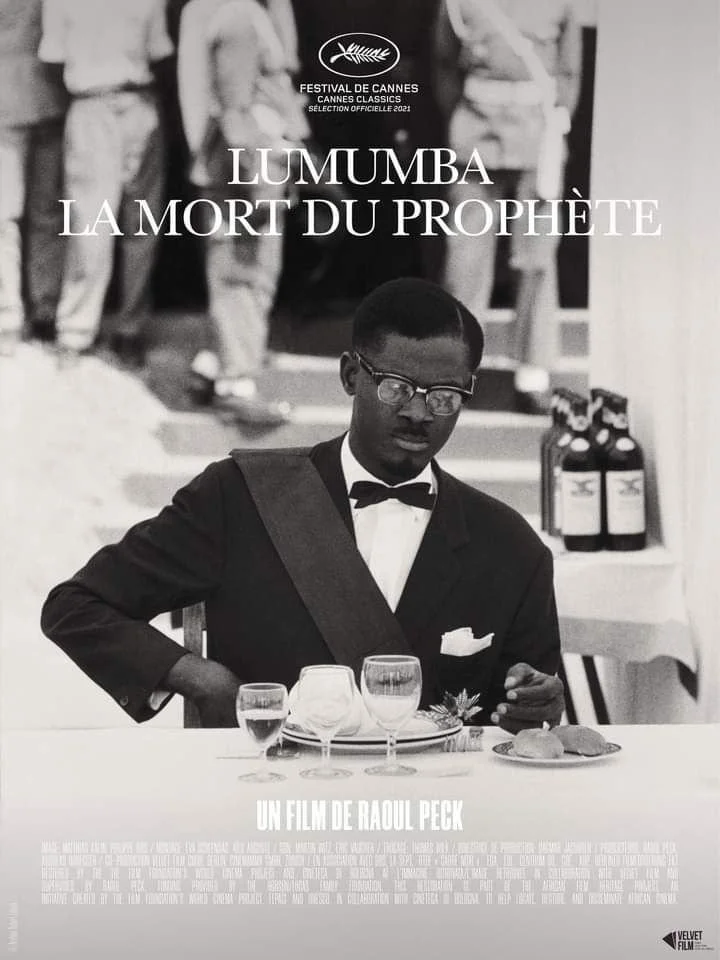
Lumumba, Death of a Prophet (1990), directed by Raoul Peck
Afropean work is rarely allowed to exist on its own. Institutions, criticism and the dominant gaze first ask it to locate itself. To explain its context and category. To name its trauma. To offer the terms of its own reception. To be legible before it is free.
This is the contemporary paradox of visibility: being seen has never guaranteed being read well. And in many cases, visibility is only granted on the condition that it remains translatable within the terms of the dominant gaze.
The cost of legibility

Dahomey (2024), directed by Mati Diop
What the worlds of art, fashion, image and music receive is not always a work. More often, it is a work already framed. Made acceptable through its narrative. Softened by context. Validated because it remains legible within a familiar grammar.
The question, then, is not only one of representation. It is one of formal autonomy. What can an Afropean work do when it refuses to explain? When it teaches nothing, justifies nothing, translates nothing but its own authority?
In France, diversity becomes easier to celebrate when it arrives already validated by America. In Paris, from Pharrell at Vuitton to Zendaya and Rihanna as figures of influence, Afro-American faces occupy positions of prestige and power more easily. Black visibility becomes easier to embrace once it has already been legitimised elsewhere.
The New Generation
No longer asking for permission
Born in London to immigrant parents, Riz Ahmed reclaims Hamlet as a popular, political and deeply contemporary work, wresting Shakespeare from the white canon and returning him to the people.
This is where the narrative shifts.
The Afropean generation at work today—photographers, filmmakers, stylists, editors, curators, artists, DJs, writers, journalists—is no longer simply asking for space. It is already building the conditions in which that question becomes obsolete.
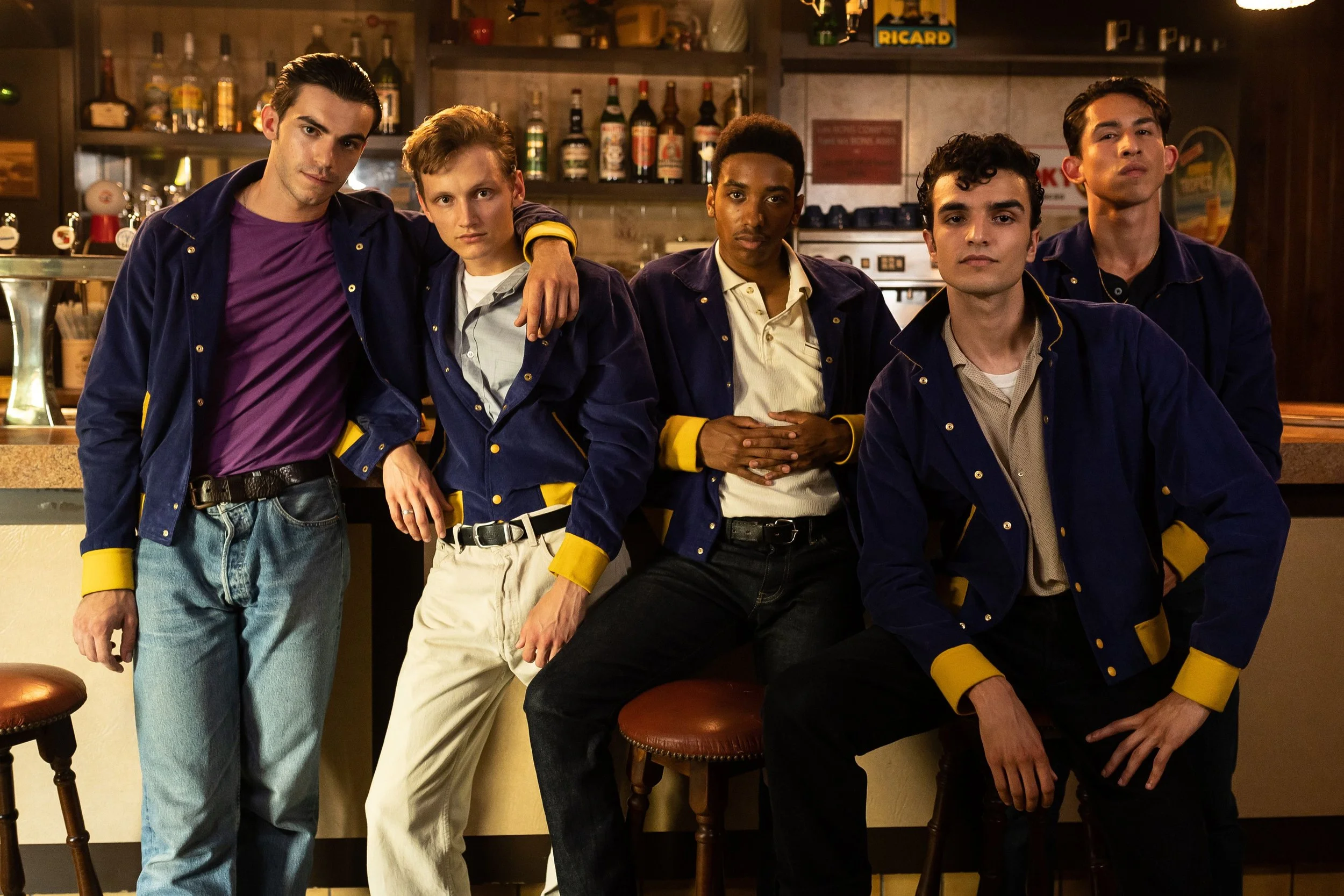
Les Rascals (2022) by Jimmy Laporal-Trésor, a film on Black and North African youth in France confronting racist violence in the 1980s.

Brussels Airlines launches AfriConnections (2026), a travelling exhibition connecting Africa through art across Kinshasa, Abidjan, Yaoundé, Dakar and Brussels.
« AfriConnections is based on a simple yet essential idea: strengthening connections between artistic scenes and audiences. While African artists are now enjoying growing international recognition, their works still circulate very little among African countries themselves. Allowing these works to travel between several capitals across the continent before reaching Europe is a particularly valuable and still all too rare initiative. »
It is no longer only trying to be included in existing cultural institutions. It is building its own scenes, archives and circuits of legitimacy. It is no longer only asking to be recognised; it is producing, circulating and deciding for itself what deserves to be recognised.
The centre has already moved
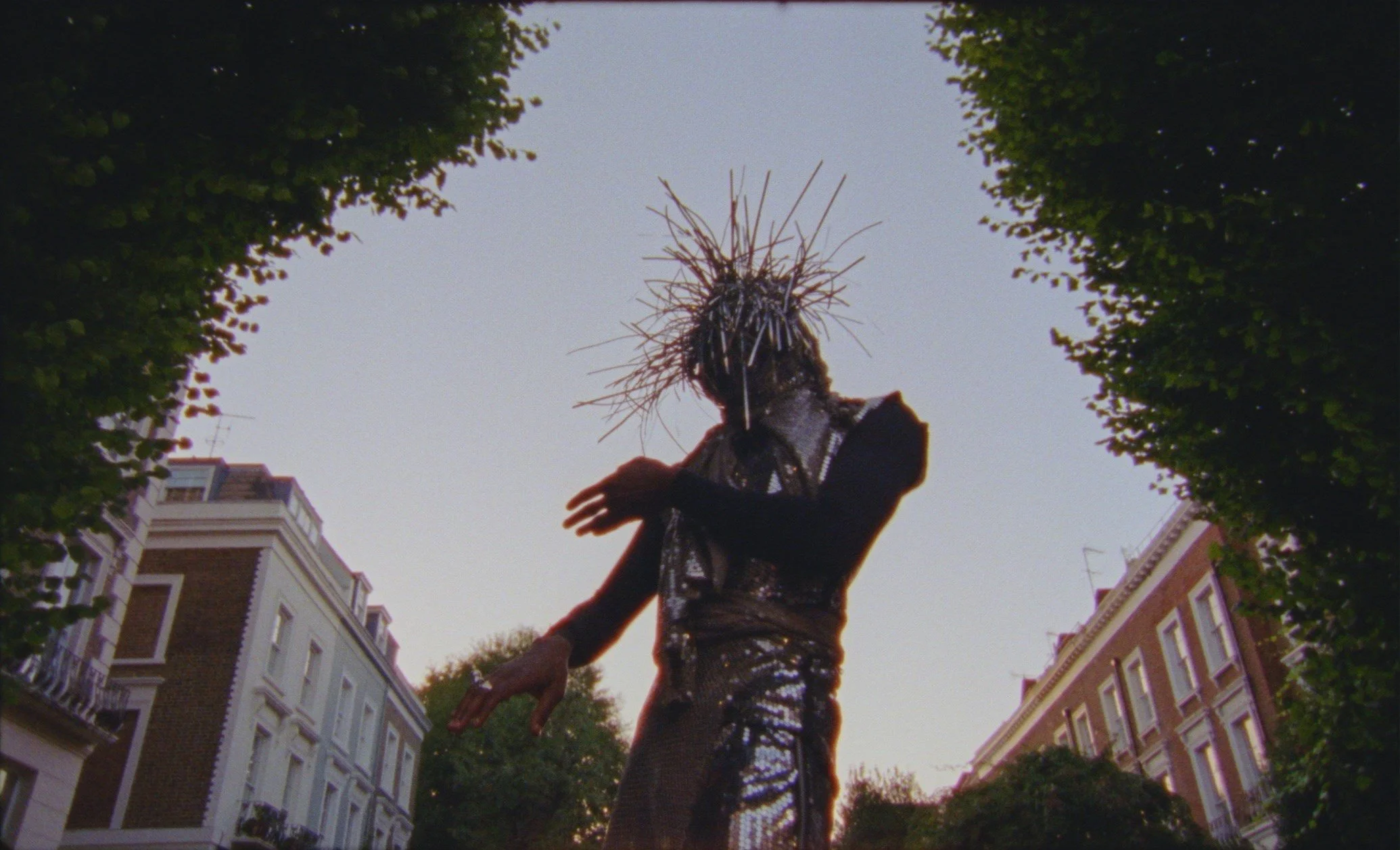
iwoyi: within the echo (2024), by Rohan Ayinde and Tayo Rapoport for NOWNESS, an Afro-surrealist journey through the imaginaries of Black British music.
The shift is significant. What is at stake here is not a politics of representation, but a politics of authority.
Who produces taste.
Who legitimises form.
Who decides what defines an era.
Who still gets to name the contemporary.
What this generation unsettles is not only exclusion. It is the monopoly of validation that once organised it.
After visibility: power
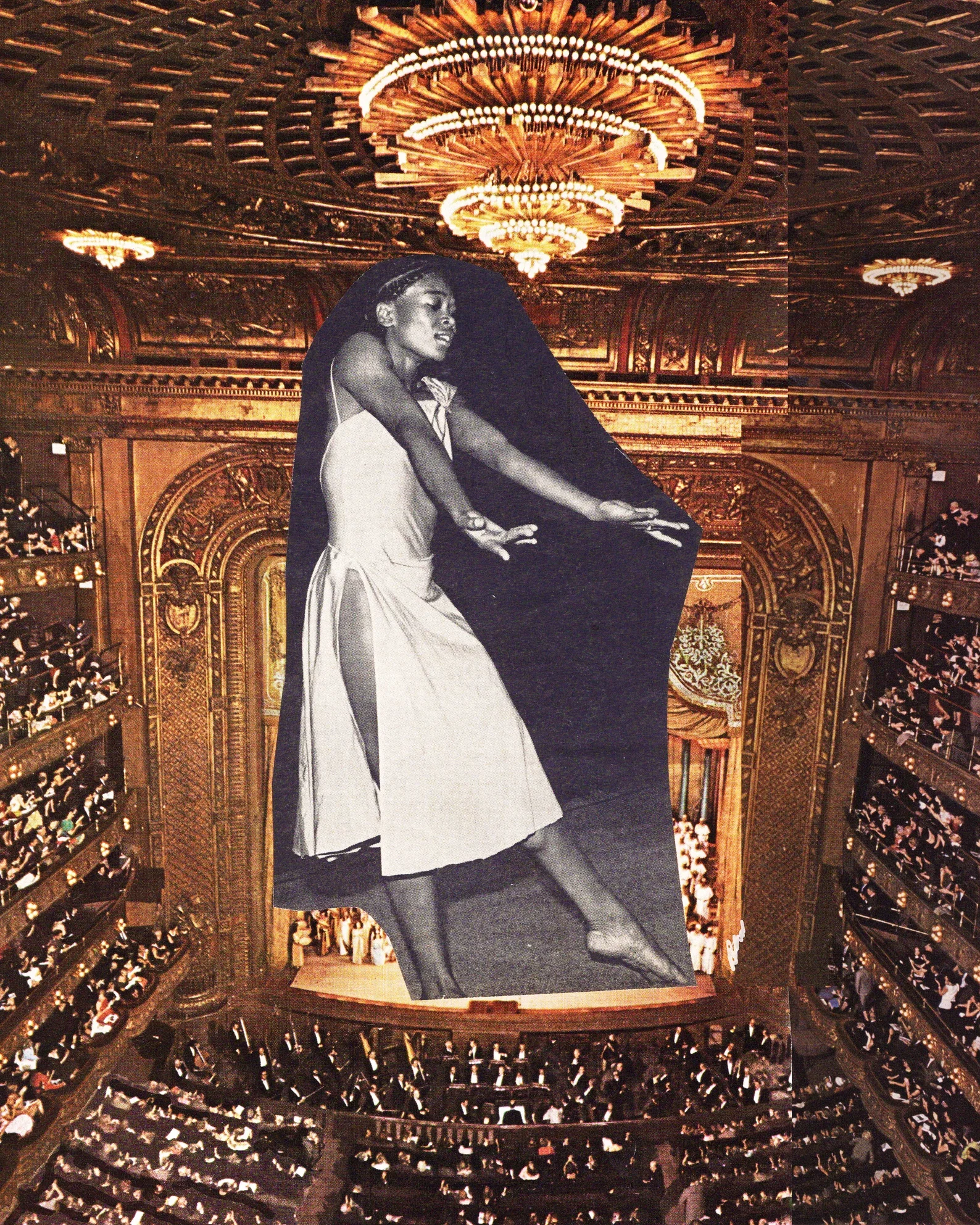
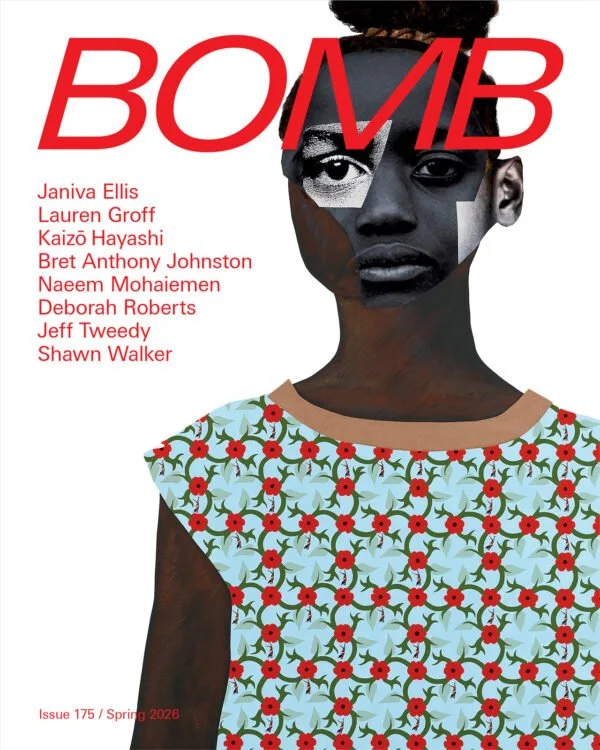
Handmade retro collage art prints and decor © CityandFlowerCollage
Here, the white gaze no longer appears simply as critical bias. It reveals itself as cultural technology: a regime of legibility that has long determined what gets to appear, and what gets to count.
This may be where the contemporary Afropean question truly lies: no longer simply becoming visible within the frame, but making the frame itself insufficient. No longer asking to enter the centre, but proving the centre has already moved.
Further Reading
Black Skin, White Masks — Frantz Fanon
The foundational text. Still essential.France, Love It or Shut It — Rokhaya Diallo
Race, belonging and the violence of the French national narrative.Afropean — Johny Pitts
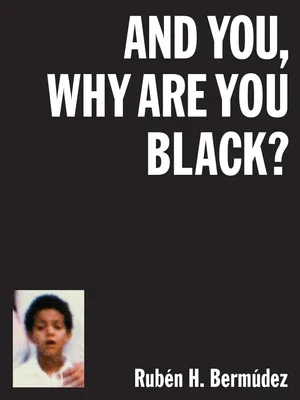
A sensitive cartography of contemporary Black Europe.And You, Why Are You Black? — Rubén H. Bermúdez
Race, image and whiteness in contemporary Spain.The Black Atlantic: Modernity and Double Consciousness— Paul Gilroy
A foundational study of the Black Atlantic as a transnational space of circulation, memory and modernity across Africa, the Americas and Europe.Poetics of Relation — Édouard Glissant
Relation, creolization, opacity and the philosophical groundwork for Afropean thought.Afropea — Léonora Miano
A political and philosophical articulation of Afropean identity in contemporary Europe.Image Matters: Archive, Photography, and the African Diaspora in Europe — Tina Campt
On images, archives and the politics of Black visibility in Europe.Notebook of a Return to My Native Land — Aimé Césaire
Language, rupture and political consciousness.Afropéennes — Eva Doumbia
A foundational work on Black women in contemporary Europe.Reframing Blackness & A Shared Gaze — Alayo Akinkugbe
A re-reading of art history through Black figures long kept outside the frame.
The Lonely Londoners — Sam Selvon
A foundational text of the Caribbean diaspora in postwar Europe.Open Water — Caleb Azumah Nelson
London, desire and vulnerability in the contemporary Black narrative.Writing in a Dominated Land — Patrick Chamoiseau
Language, power and legitimacy from the French Caribbean.I, Tituba, Black Witch of Salem — Maryse Condé
History, memory and Black female bodies in the Western canon.Black Cultural Archives (London)
A major archive of Black histories in Europe.Une parole de femme — Gisèle Pineau
Body, inheritance and feminine transmission.Femme nue, femme noire — Calixthe Beyala
Reading the Black female body against its assignments.Queenie — Candice Carty-Williams
Race, social fatigue and ordinary violence in contemporary London.Texaco — Patrick Chamoiseau
Memory, city and creolity.Dean Blunt / Klein / Tirzah
Three ways Black British sound continues to reshape the contemporary.
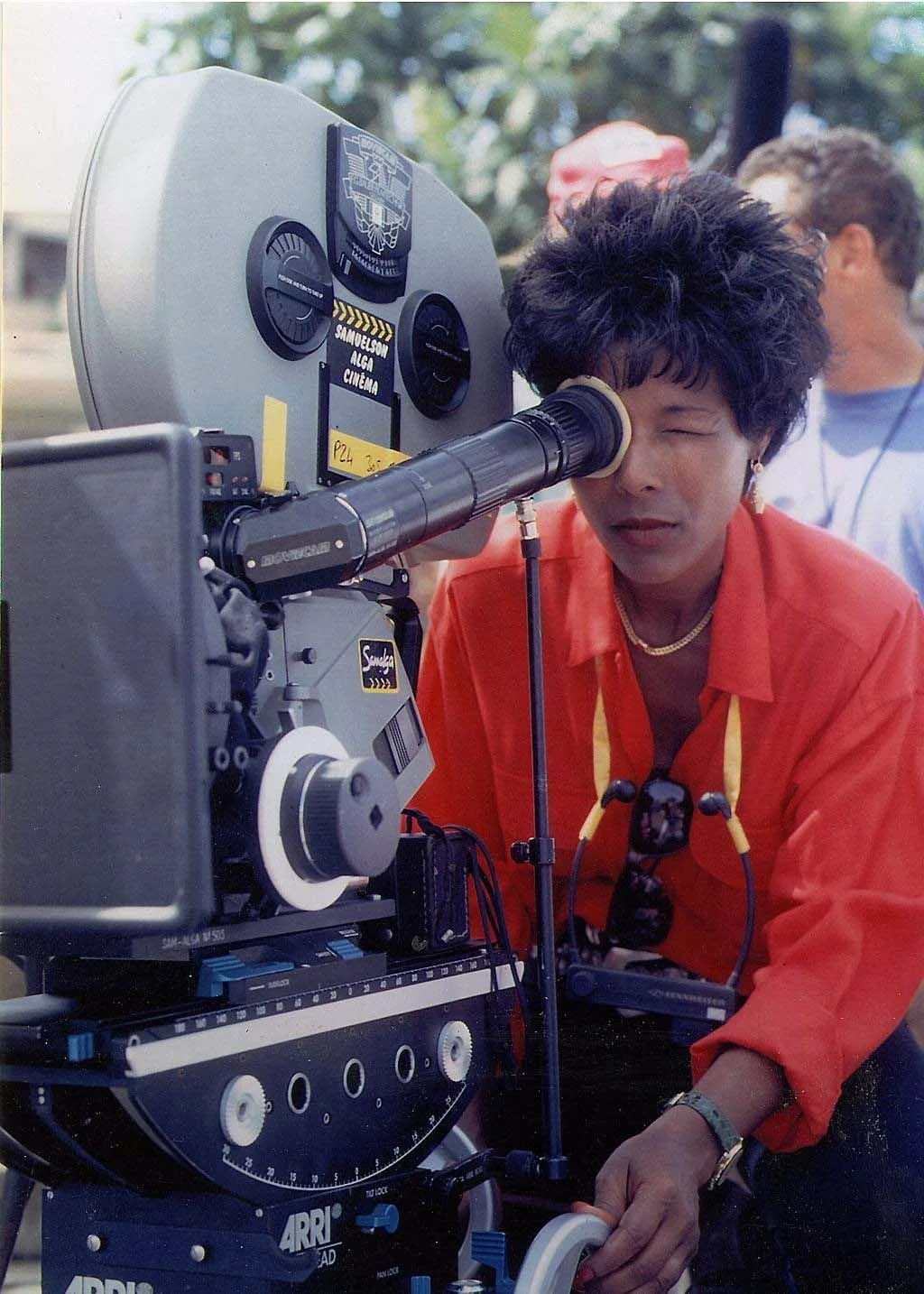


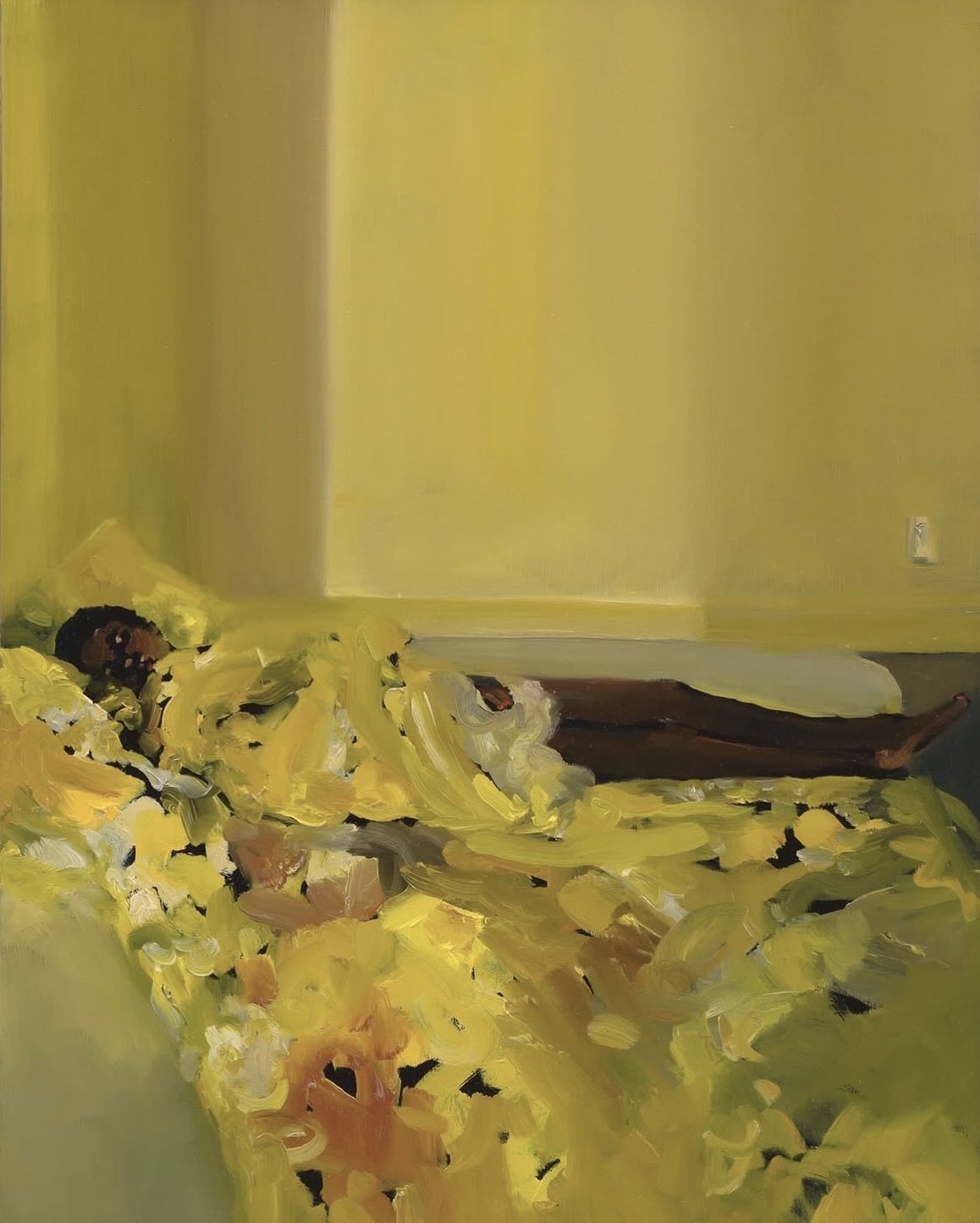


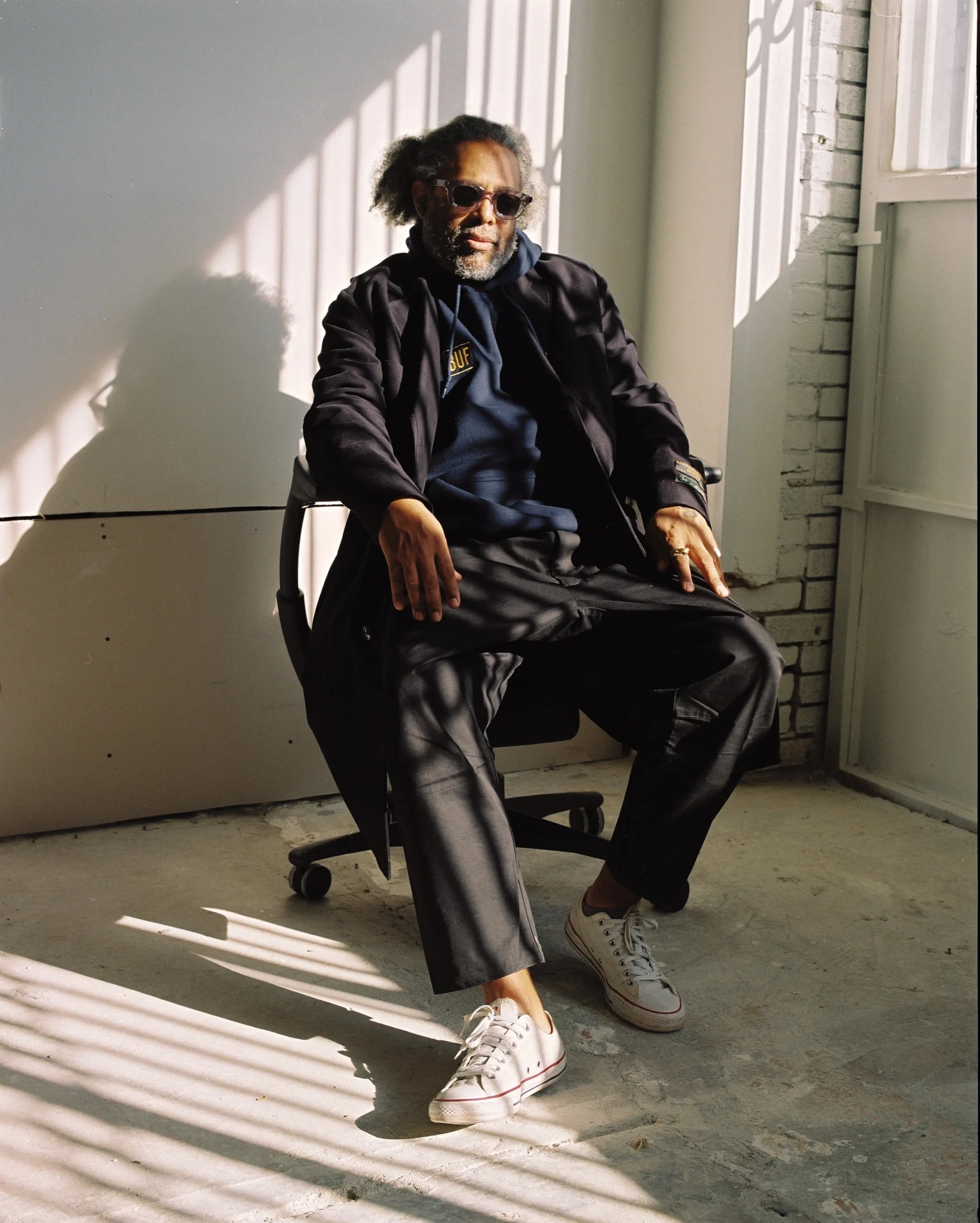

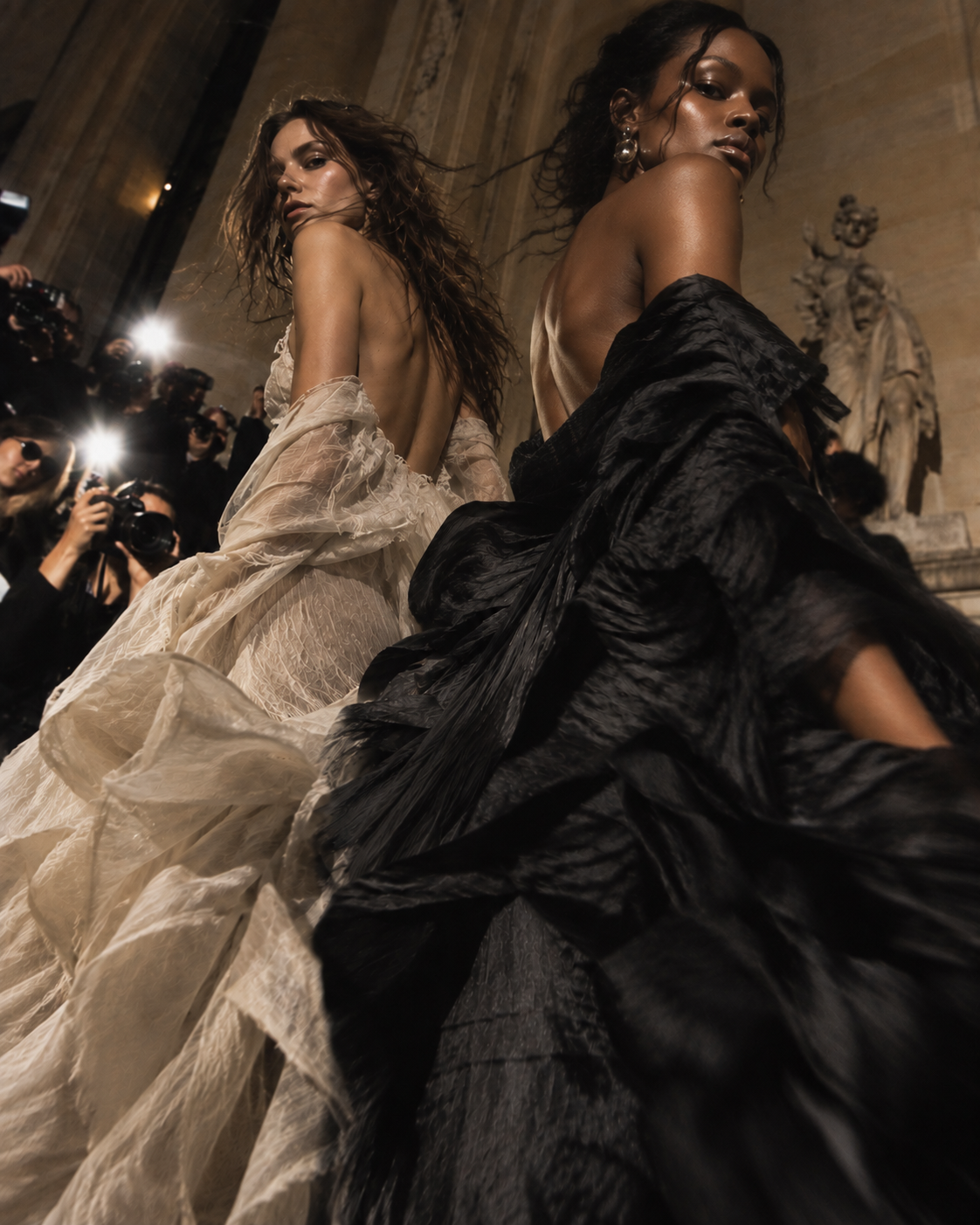








At Dach&Zephir, Guadeloupe is woven, carved and transformed into objects. For Paris Design Week 2026, the duo presents Souvenances, an exhibition marking ten years of creation at the crossroads of Creole memory, Caribbean craftsmanship and contemporary design. Another way of looking at what we call French design.