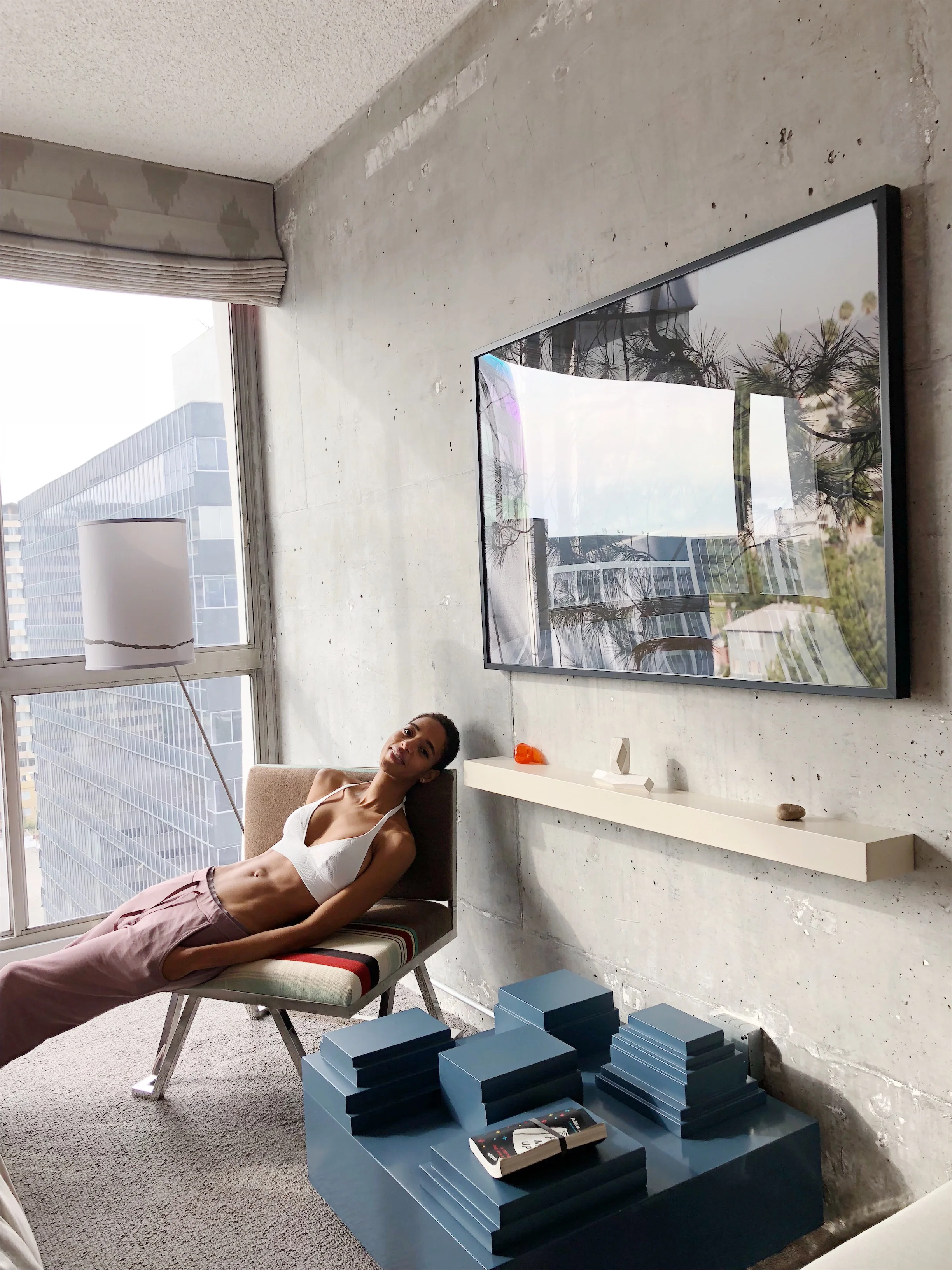
Ensconced in the heart of one of LA's most vibrant districts, the Line Hotel is the spot to go in KoreaTown. The melting pot of creatives love to spend their nights unwinding on its sun-soaked rooftop and terrace. Cozy room, boutique-hôtel and Korean bistro... here is the place to stay in L.A !
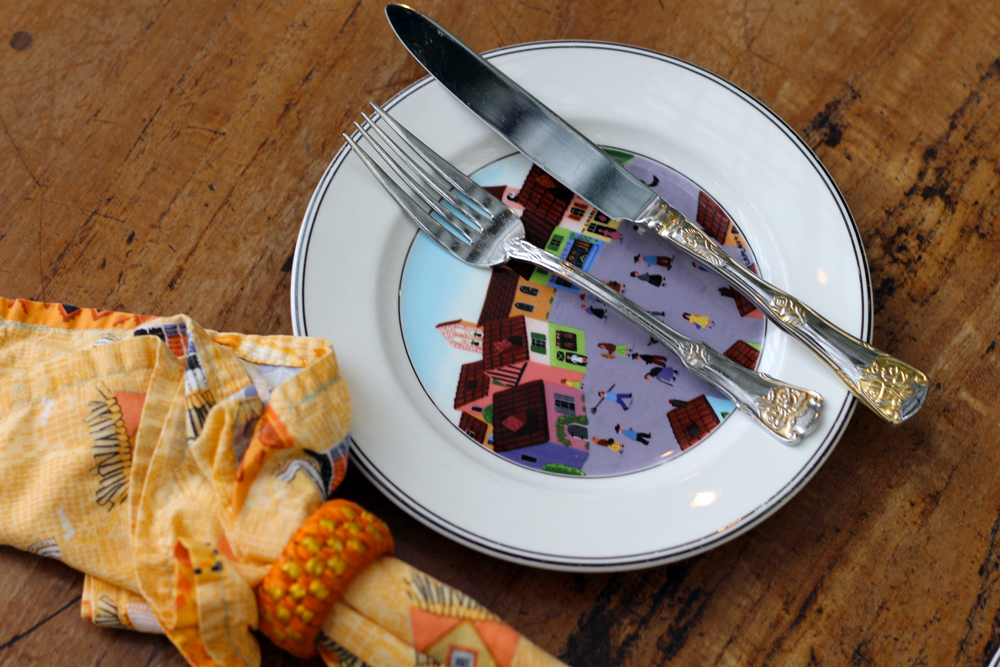
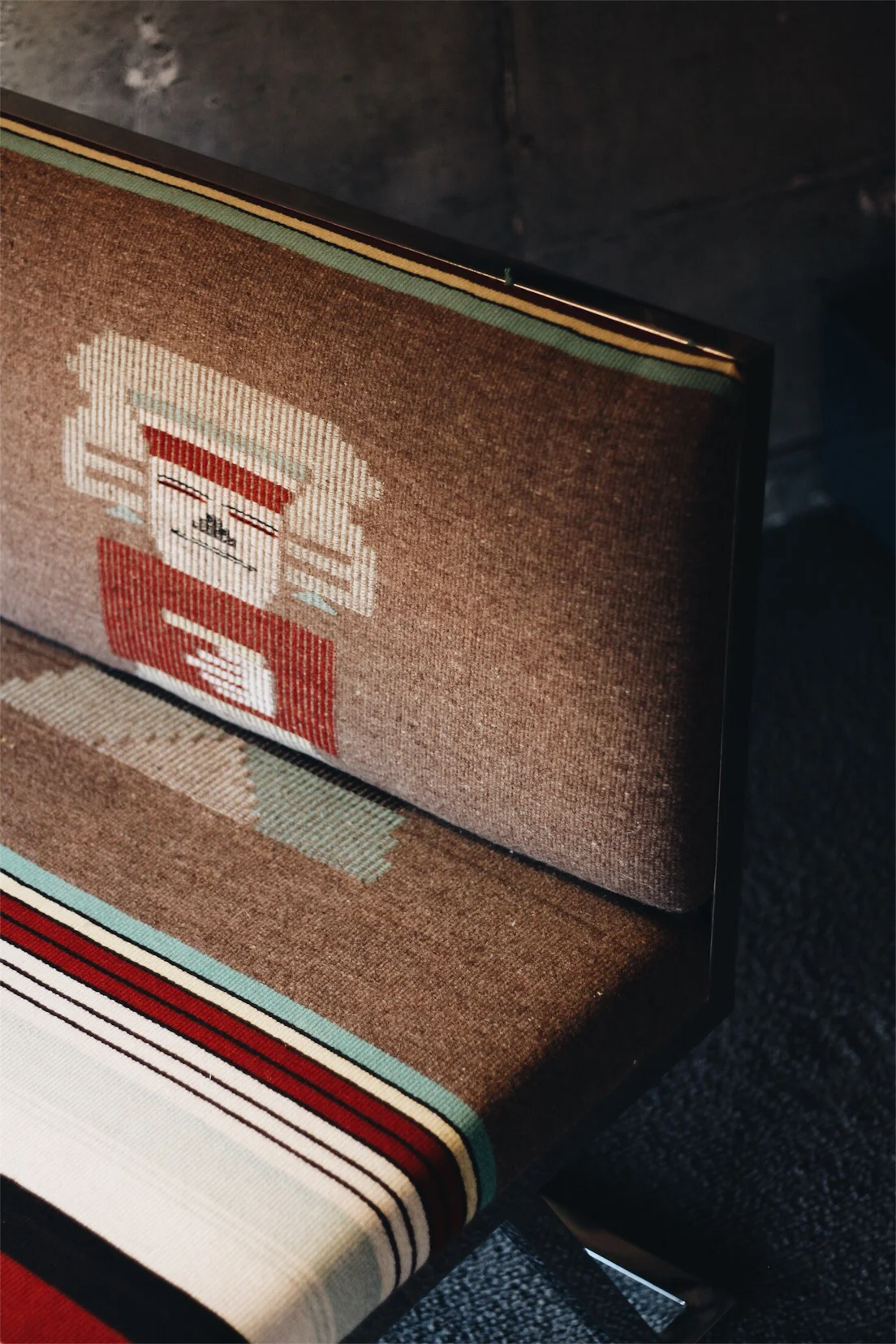
The Line Hotel is the coolest place to chill out in KoreaTown, the fast-growing Latin-Korean neighborhood in LA's. Cosy hallways with colourful carpeting, lime-washed murals and contemporary elements lead toward the chic industrial guest suites. Sometimes the best part of a hotel is just hanging out in the lobby. On the ground floor, Poketo’s simple wooden shelves are decked with well-chosen homeware, books, jewellery, clothing and its own line of stationery. In a friendly atmosphere, step out in The Pot Café for a quick breakfast - enjoy some Korean food at the Pot - or chill out at the Commissary for drinks or dinner. Behind the Commissary's magnificent glass roof, hides the outdoor swimming pool, bordering some tables and deckchairs where to sip a Spritz at sunset.
The Line Hotel, 3515 Wilshire Blvd, Koreatown, Los Angeles, tél. : +1 213 381 7411, start from 250$
Donec id justo non metus auctor commodo ut quis enim. Mauris fringilla dolor vel condimentum imperdiet.
Commodo cursus magna, vel scelerisque nisl consectetur et. Donec id elit non mi porta gravida at eget metus.
Lorem ipsum dolor sit amet, consectetur adipiscing elit. Vestibulum id ligula porta felis euismod semper.
Quisque iaculis facilisis lacinia. Mauris euismod pellentesque tellus sit amet mollis.
Sed purus sem, scelerisque ac rhoncus eget, porttitor nec odio. Lorem ipsum dolor sit amet.
Vivamus pellentesque vitae neque at vestibulum. Donec efficitur mollis dui vel pharetra.
Praesent id libero id metus varius consectetur ac eget diam. Nulla felis nunc, consequat laoreet lacus id.
Donec id justo non metus auctor commodo ut quis enim. Mauris fringilla dolor vel condimentum imperdiet.
Commodo cursus magna, vel scelerisque nisl consectetur et. Donec id elit non mi porta gravida at eget metus.
New in :
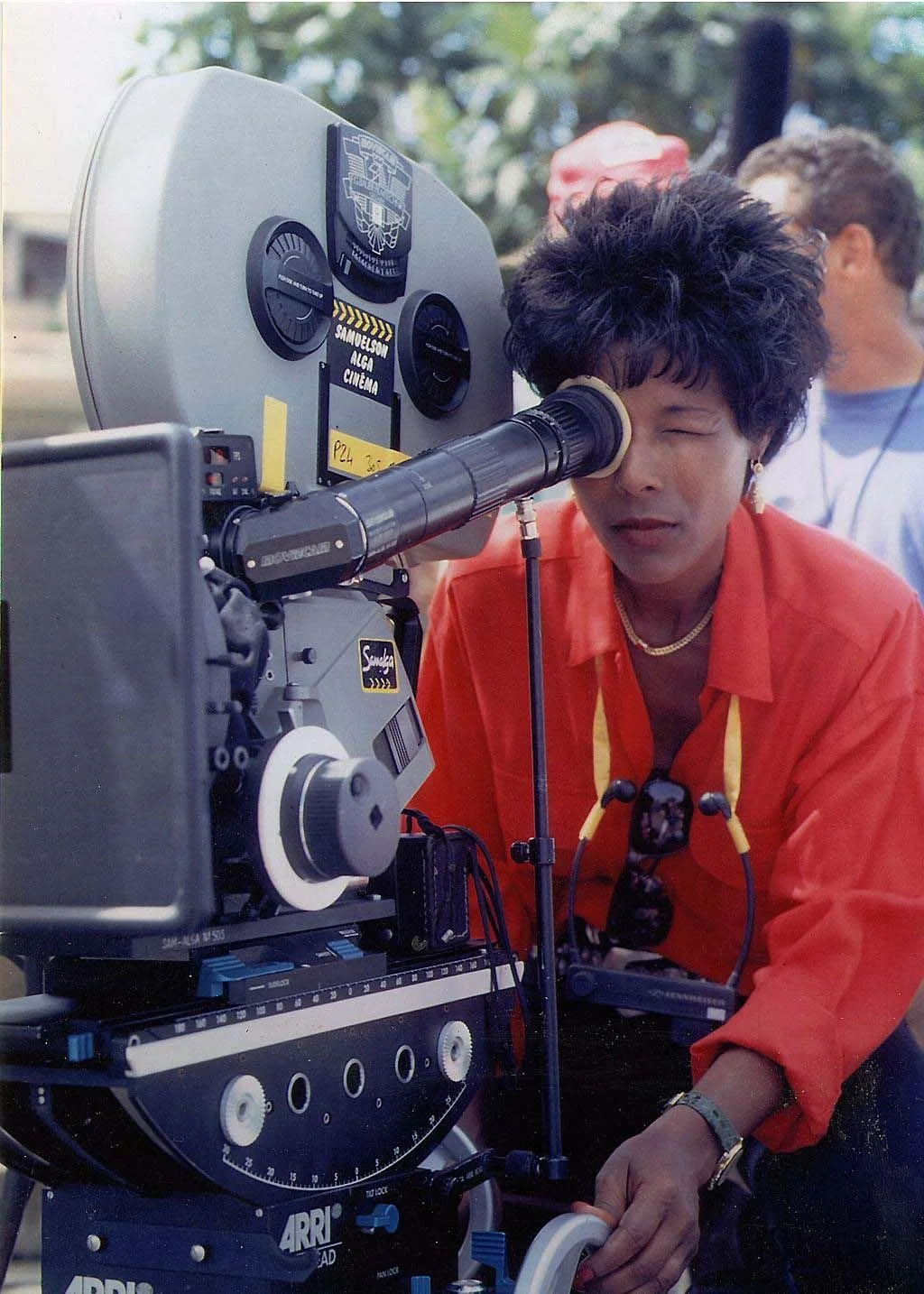
Portuguese-born Angolan visual artist, photographer and filmmaker Mónica de Miranda turns landscapes into living archives. Moving between photography and moving image, she creates scenes suspended between dream and reality, where bodies, architecture and nature carry the traces of colonial history. Her work isn’t simply about representing the world. It’s about reclaiming who gets to tell its story.
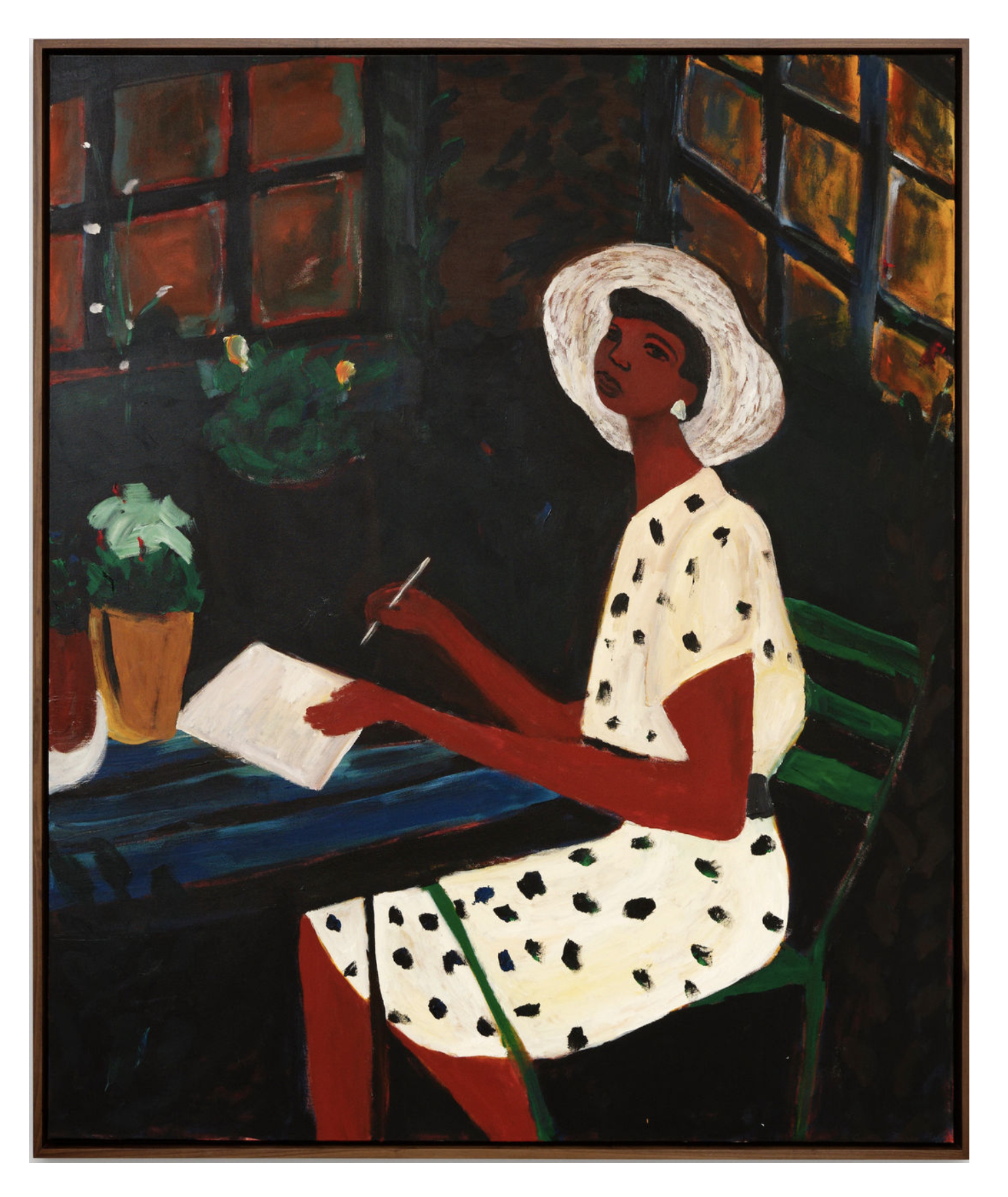
Vivid colours, expressive figuration, intimate scenes. Haitian-born heritage meets the Black diasporic experience in the paintings of Haitian-American artist Patrick Eugène. His figures hover between memory and imagination, intimacy and history, refusing the boundaries of a fixed identity. Haiti is no backdrop. It’s where another story begins.
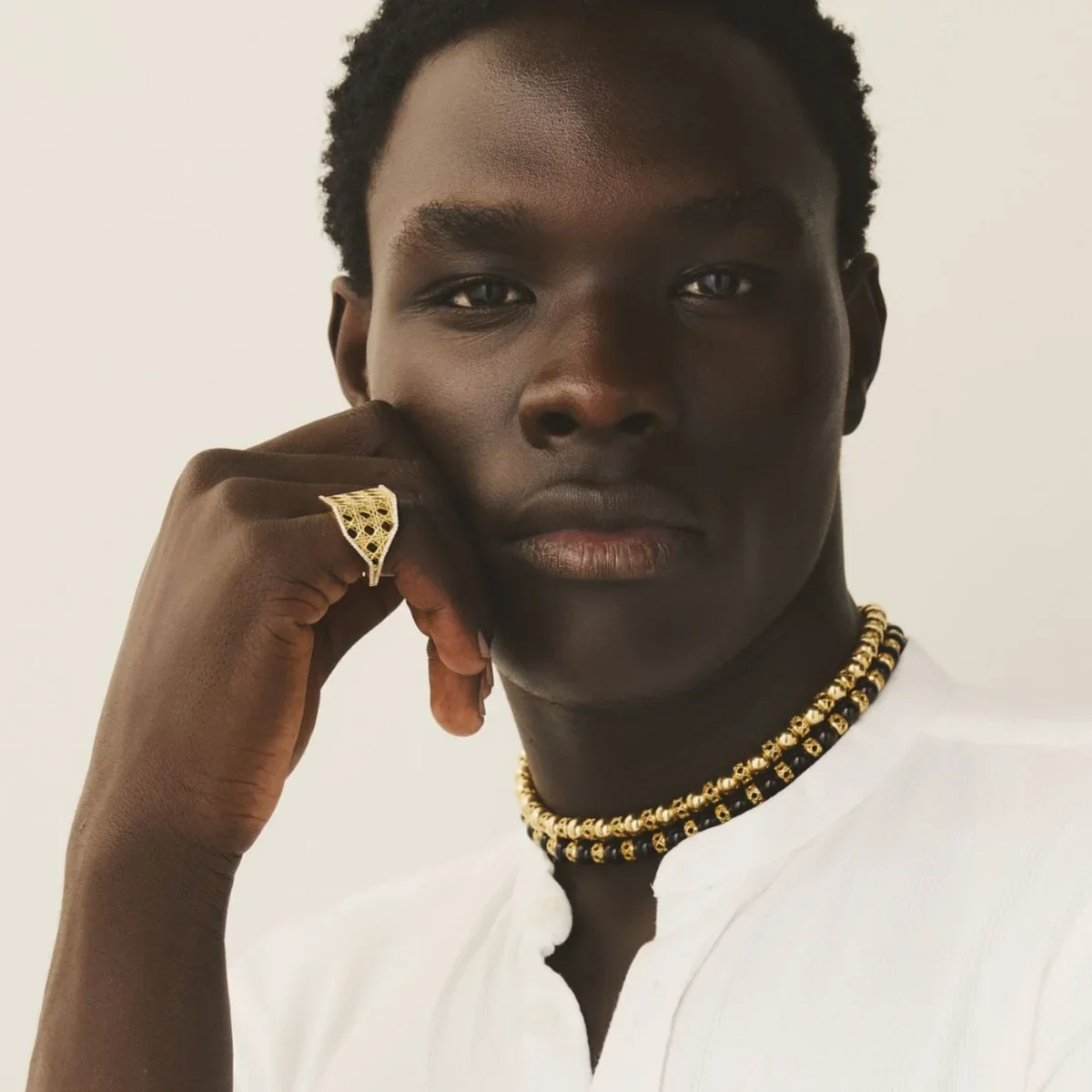
What if luxury had different geographies? Martinican-born media executive, interior architect and jewellery designer Moana Luu is turning Creole heritage into a contemporary signature. From Martinique to New York, she is shaping a vision of luxury rooted in cultural identity.
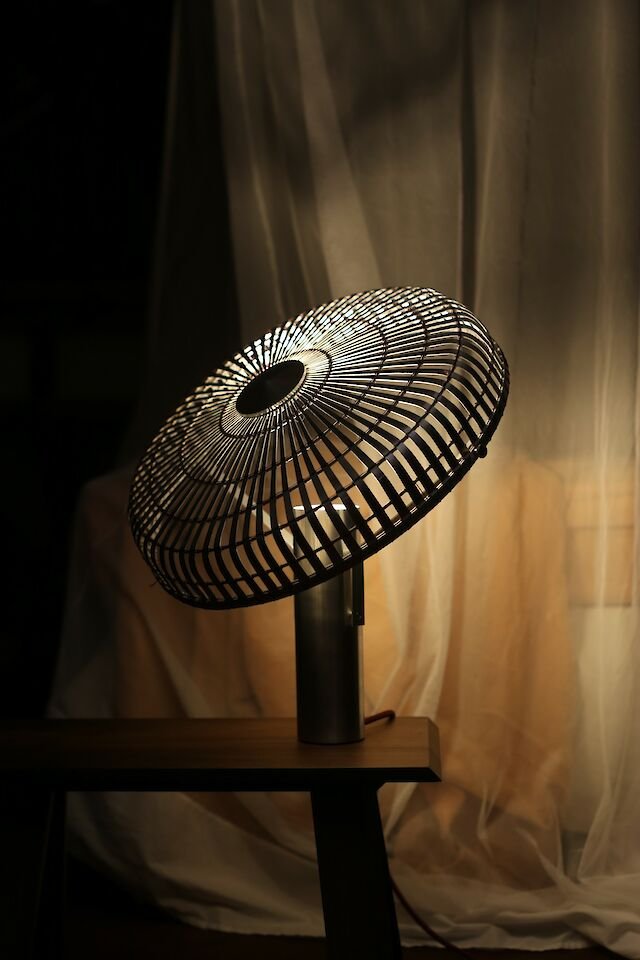
At Dach&Zephir, Guadeloupe is woven, carved and transformed into objects. For Paris Design Week 2026, the duo presents Souvenances, an exhibition marking ten years of creation at the crossroads of Creole memory, Caribbean craftsmanship and contemporary design. Another way of looking at what we call French design.
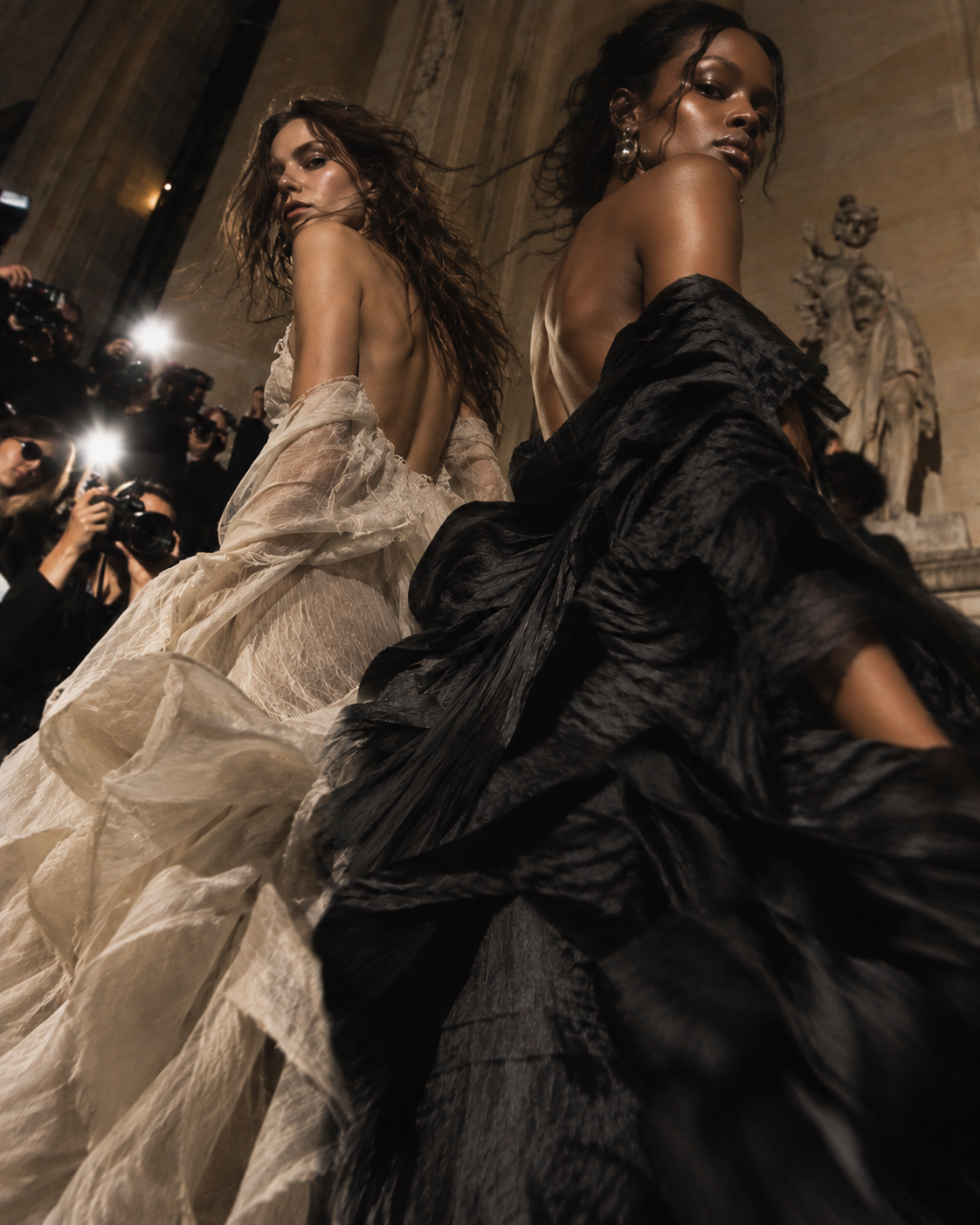
Paris will stage its grand spectacle. Two groups, one industry. The same front rows, the same oversized runways, the same looks dissected on TikTok before they are even worn. When we see everything so quickly, what is left to desire? The real question may no longer be which brand will dominate the next season, but what younger generations still want to wear and, above all, why.
An Afropean generation is already shaping a vital part of contemporary European culture. It produces its images, sounds, codes and narratives. Yet it continues to emerge within a space where the white gaze does more than see: it frames, filters and still decides what becomes legible, legitimate and culturally central.
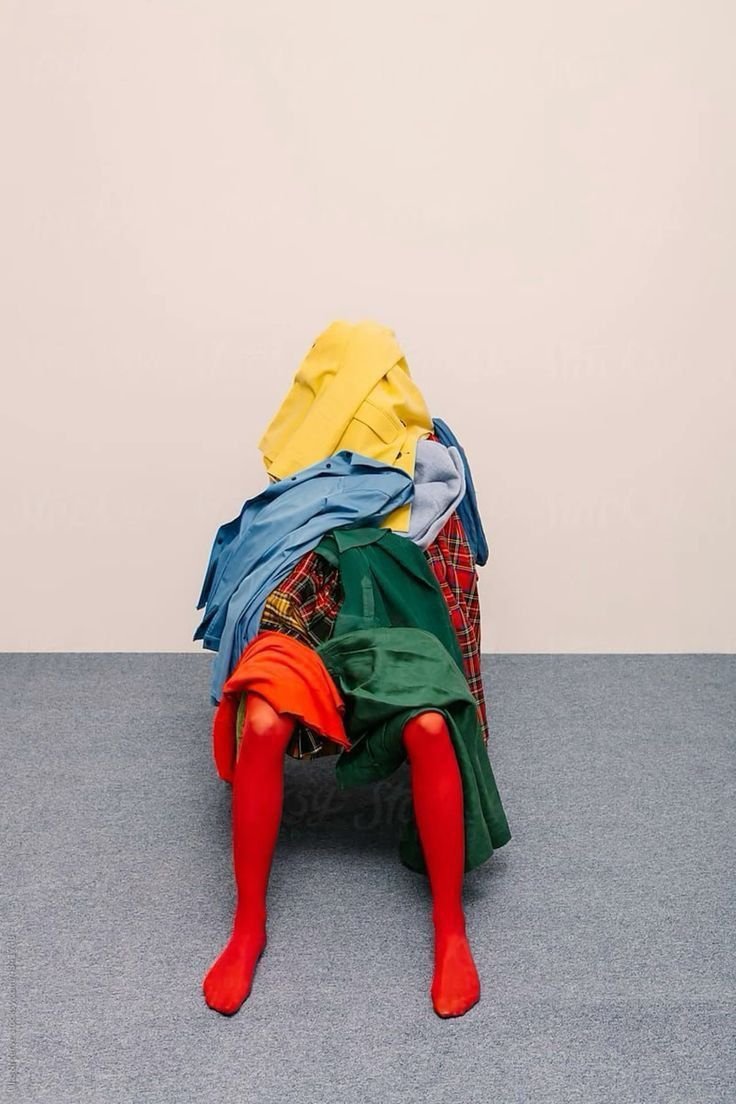
No label, no stylist, no front row. For a generation of independent, racialized artists operating outside the gaze of institutional fashion, image isn’t a privilege — it’s a site of reinvention. Without a costume assigned, they craft a visual presence that’s self-authored, political, and razor-sharp. A closer look.
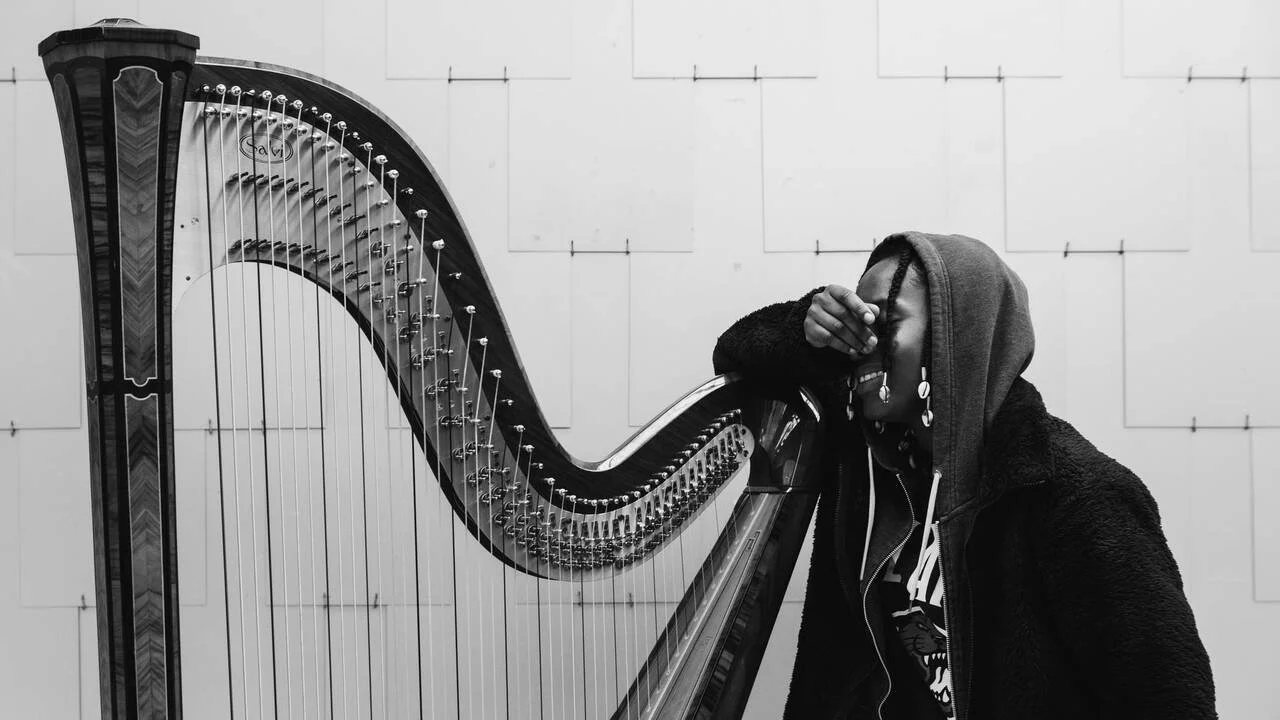
Magnetic harpist, singer and choir leader, Sophye Soliveau turns every stage into a ritual space. With Intuition, her debut album, she weaves harp and voice into a groove-infused trance where R’n’B, soul, jazz and gospel collide. A visceral, spellbound album, carried by a rare vocal mastery — part incantation, part liberation.
In the work of Simon Diebold, flesh is no longer just a surface — it’s a battleground, a hallucination, a digital relic, a scream frozen mid-glitch. His art doesn’t just depict bodies; it dissects them, refracts them, reconfigures them into ghostly avatars wandering between the physical and the phantasmagoric.
In a world overwhelmed by cold concepts, Motonaga’s fluid, rebellious colors offer a new, radical aesthetic. His free gestures inspire artists today to reshape reality through color, play, and joy. What if painting like him was already a way to rewire the world?
Praesent id libero id metus varius consectetur ac eget diam. Nulla felis nunc, consequat laoreet lacus id.