Paris will stage its grand spectacle. Two groups, one industry. The same front rows, the same oversized runways, the same looks dissected on TikTok before they are even worn. When we see everything so quickly, what is left to desire? The real question may no longer be which brand will dominate the next season, but what younger generations still want to wear and, above all, why.
Has Fashion Exhausted the Idea of “Newness”?
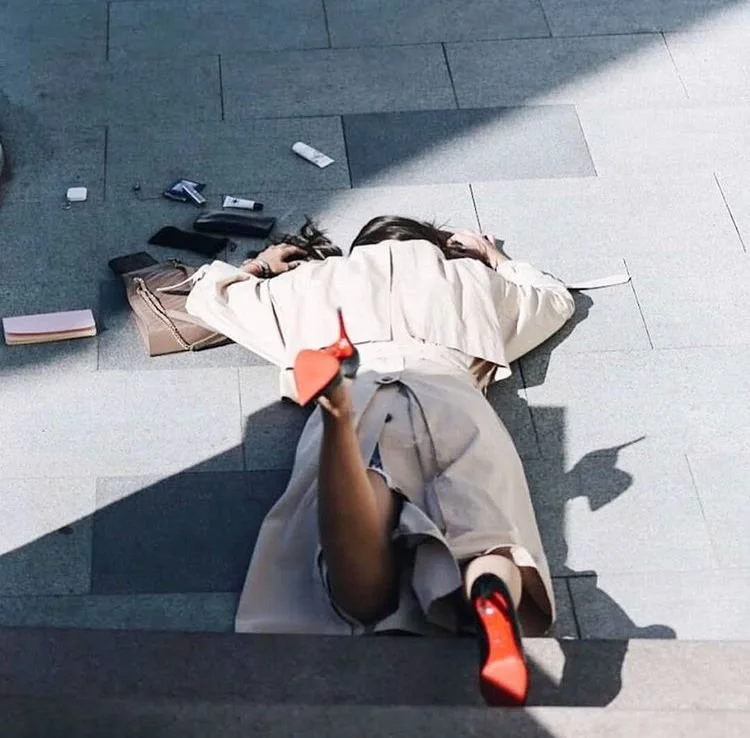
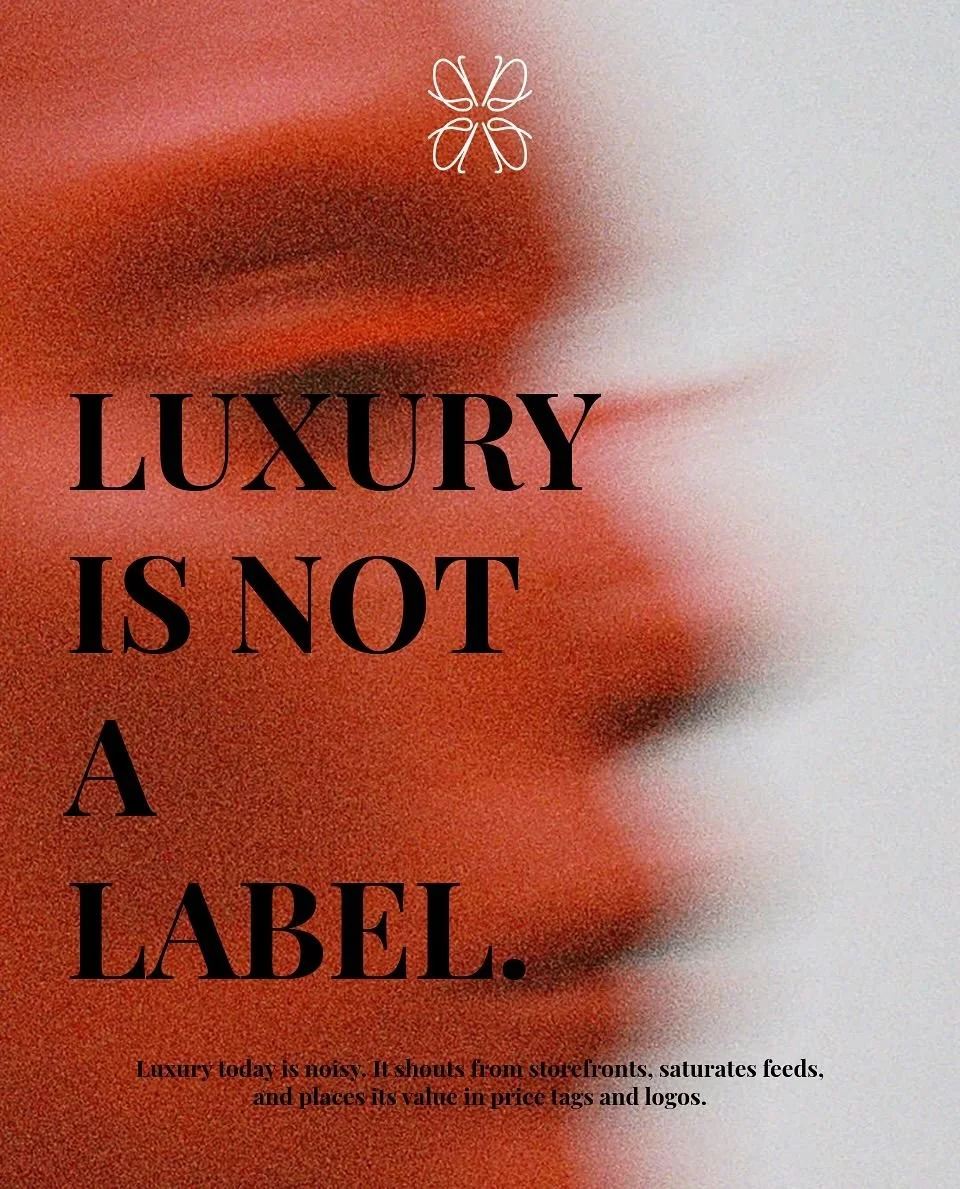
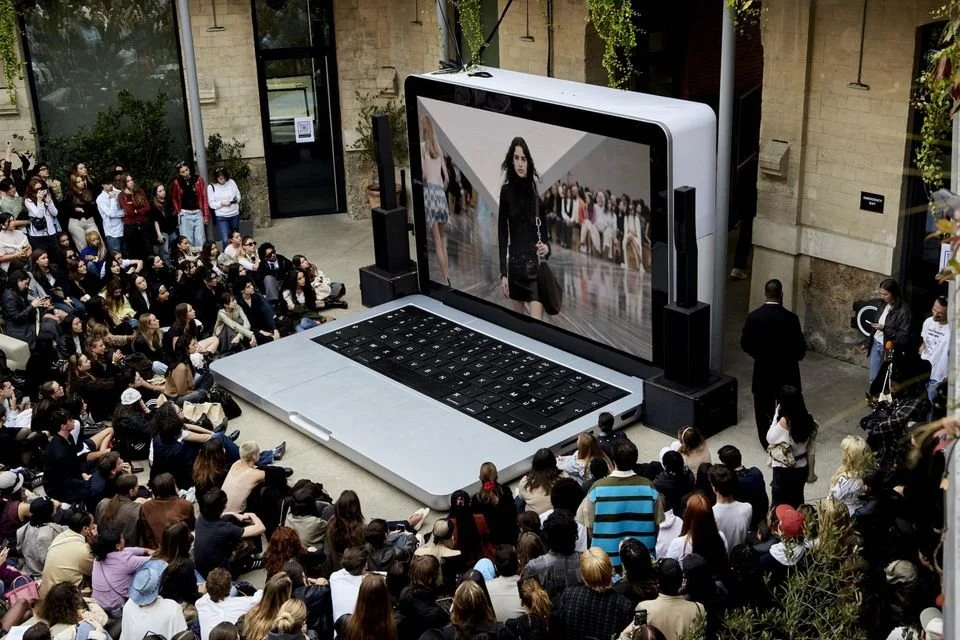
Fashion Week runs on a promise: to show us tomorrow before everyone else.
Except today, tomorrow hits our screens before it even reaches the runway.
Everything has already had its comeback.
The ’90s. The 2000s. Vintage. Minimalism. Excess.
Even nostalgia is stuck on repeat.
After years of viral trends, “aesthetics” and instantly recognisable silhouettes, something seems to be shifting. Gen Z, the first generation to build much of its relationship with fashion through a screen, is now paradoxically looking for what algorithms make hardest to find: a sense of self.
That shift is changing the way we think about luxury. As prices climb and products become increasingly visible and instantly recognisable, owning the same object as everyone else starts to lose its symbolic charge. Vintage, second-hand and found pieces become more than an affordable alternative. They become a way of taking back control of your own wardrobe, and the story it tells.
This may be one of the most interesting tensions of this Fashion Week. Luxury is still selling desire, but part of its younger audience seems to want something else: a point of view, personality, culture, a story that hasn’t been entirely written by marketing.
So who can still make something we haven’t already seen on a screen?
The next luxury might not be the thing making the most noise. It might be quieter. Harder to place. A piece, a silhouette, a way of dressing that doesn’t belong to a trend, but to the person wearing it.
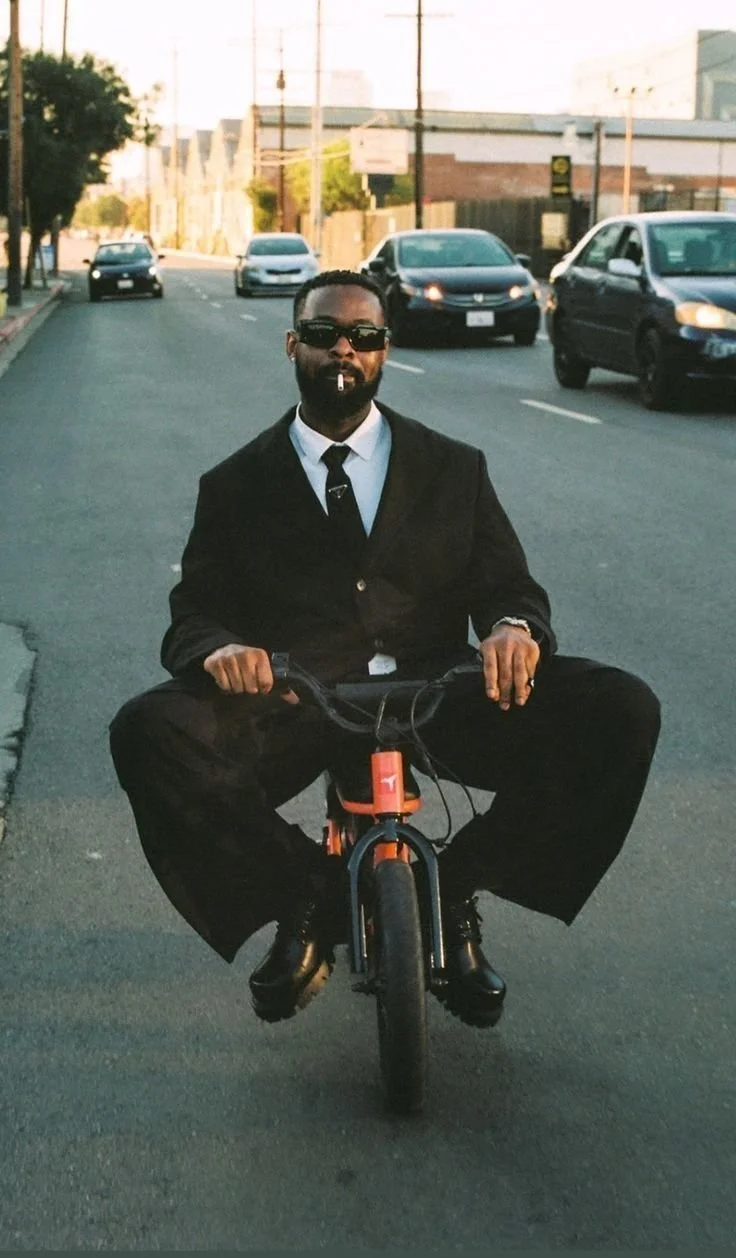
The Next Luxury Could Be Individuality
For years, luxury had to be recognisable.
A bag.
A logo.
A silhouette.
Today, everyone sees the same collections, the same images, the same looks.
Rarity is shifting.
Fashion reveals our desires and anxieties: what are we really saying when we get dressed?
Getting dressed has never been as neutral a gesture as it might seem. Before trends even enter the picture, clothes tell us something about ourselves: what we want to show, what we want to hide, the group we want to belong to, or the one we want to stand apart from.
For a long time, fashion weeks played precisely on this tension. It promised individuality while creating the codes through which individuality could be recognised. Buying a piece everyone wanted was also a way of buying into an imagined community. The logo, the silhouette, the bag became markers of belonging.
But what happens when those markers become too visible?
As the same images circulate everywhere, clothes lose some of their power to distinguish the person wearing them. A trend can be spotted, copied and reproduced within hours. A piece that once felt exclusive becomes instantly recognisable. Luxury finds itself caught in the same contradiction: how do you keep selling the exceptional when everyone can see, discuss and sometimes reproduce what is supposed to be rare?
Perhaps this is where a new relationship with luxury begins to emerge. The value of a piece may no longer lie solely in its price, rarity or status, but in its ability to become personal.
Vintage and second-hand are part of this shift. Not simply because they make fashion more affordable, but because they offer a way out of the collections and calendars we’re told to follow. Finding a piece that is no longer produced, mixing it with something new, wearing it in an unexpected way: style becomes less about ownership and more about interpretation.
The real luxury might be not being immediately recognisable.
Not wearing the silhouette we’re expected to wear. Mixing eras. Wearing a piece without its logo. Choosing something found over something freshly released. Building your own visual language instead of adopting a fashion house’s.
That doesn’t mean big brands have lost their power. They still know how to create desire, sometimes with unparalleled force. But their challenge is changing. It’s no longer enough to make us want to belong to a world. They have to give us enough to work with, enough room to make that world our own.
Fashion may be entering a new contradiction. After decades spent creating trends so we could stand apart, it now has to contend with a generation that mostly wants to avoid looking like everyone else.
And perhaps the next frontier of luxury won’t be a rarer material, a higher price or a more recognisable logo.
It will be much harder to manufacture: individuality.
What If Imperfection Became the New Luxury?
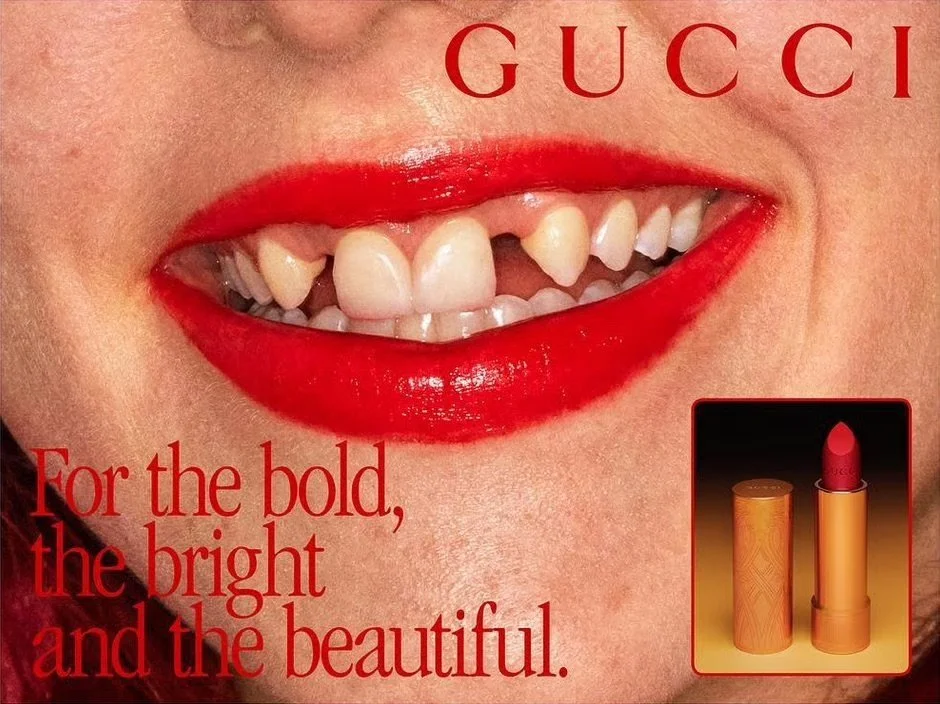
Démarquez-vous
Quel que soit le cas, la façon dont vous racontez votre histoire en ligne peut faire toute la différence.
What if desire now lies elsewhere?
In irregularity.
In a material that keeps its traces.
In a gesture no machine can reproduce exactly.
In a piece that looks like it has lived before it was ever worn.
Craft comes back into focus here. Not as nostalgia, but as evidence of time. A stitch that is slightly different. A texture that shifts. A material that changes with age. What was once considered a flaw becomes the signature of a one-off object.
Luxury could be changing its definition.
Not hiding the hand.
Showing it.
Not searching for the perfect object.
Looking for the one that cannot be exactly reproduced.
In an industry that keeps accelerating, imperfection becomes a form of resistance.
And perhaps the real luxury, tomorrow, will simply be being able to see that a human hand was there.
Further Exploration

More fashion
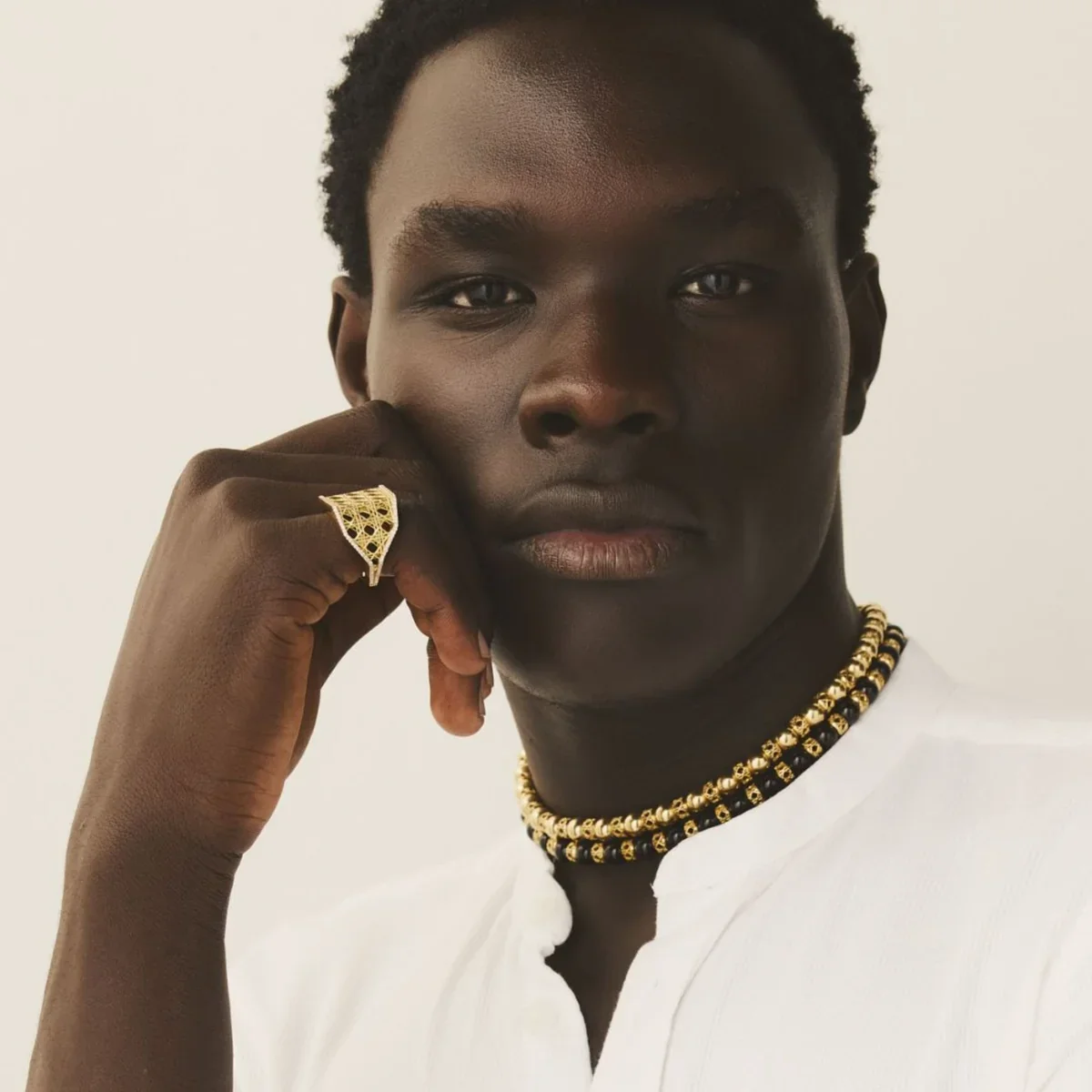
What if luxury had different geographies? Martinican-born media executive, interior architect and jewellery designer Moana Luu is turning Creole heritage into a contemporary signature. From Martinique to New York, she is shaping a vision of luxury rooted in cultural identity.
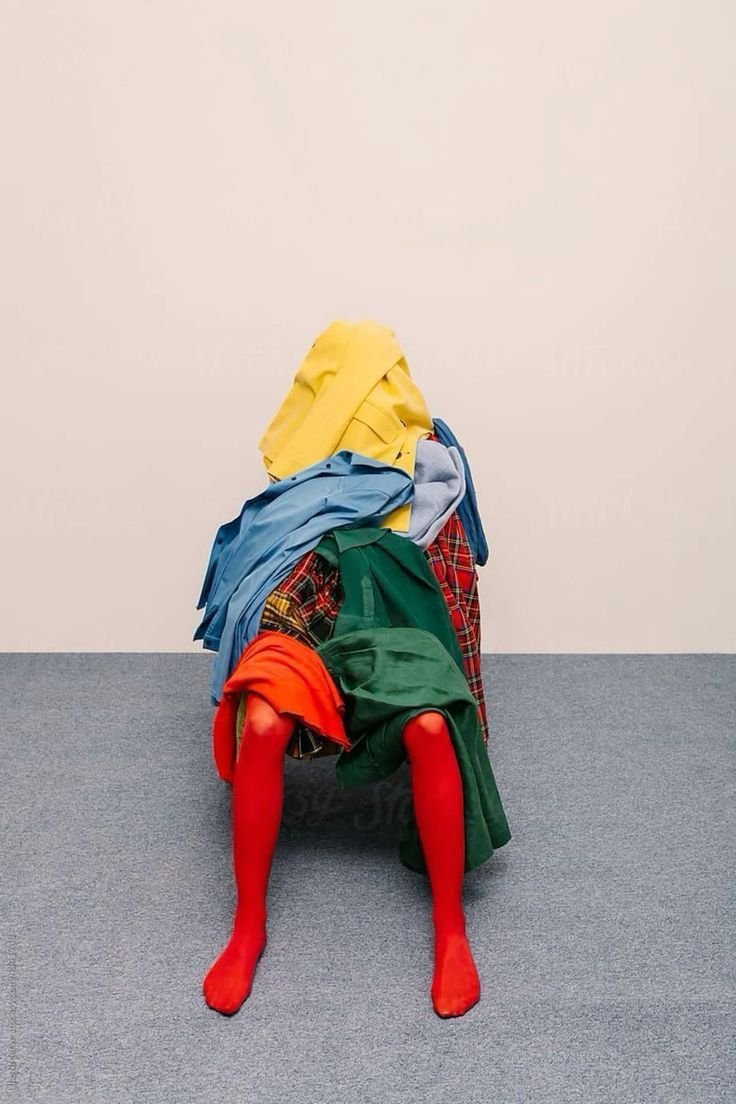
No label, no stylist, no front row. For a generation of independent, racialized artists operating outside the gaze of institutional fashion, image isn’t a privilege — it’s a site of reinvention. Without a costume assigned, they craft a visual presence that’s self-authored, political, and razor-sharp. A closer look.

Jalan & Jibril. Two brothers. One lens. One radical vision. For them, the image is more than aesthetics — it’s an antidote to inner exile. Blurring the lines between photography, cinema, and diasporic identity, their work pulses with intimacy and universality. A relentless pursuit of meaning, of visibility, of self — carved through light and frame.

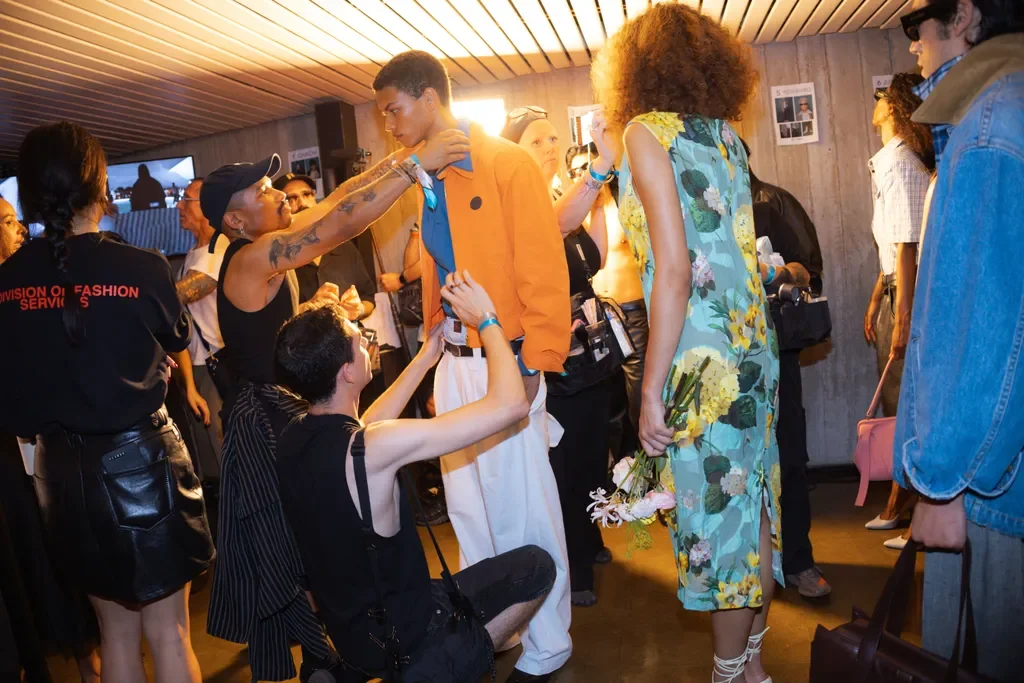
Fashion Week is hypnotic, but who truly orchestrates the magic? Behind the scenes, an elite group of creative hairstylists shapes the looks that captivate our feeds. They steal the show, yet remain invisible. A spotlight on these legendary talents who stay in the shadows.

In the shadows of the runway, they sculpt faces, set trends, and infuse an unforgettable aura into the most prestigious shows. These genius MUA artists, adored by brands but invisible to the public eye, are the silent architects of beauty. Who are they? Why are their names unknown when their work is everywhere? A deep dive into the secret world of these brush masters the industry can’t get enough of.
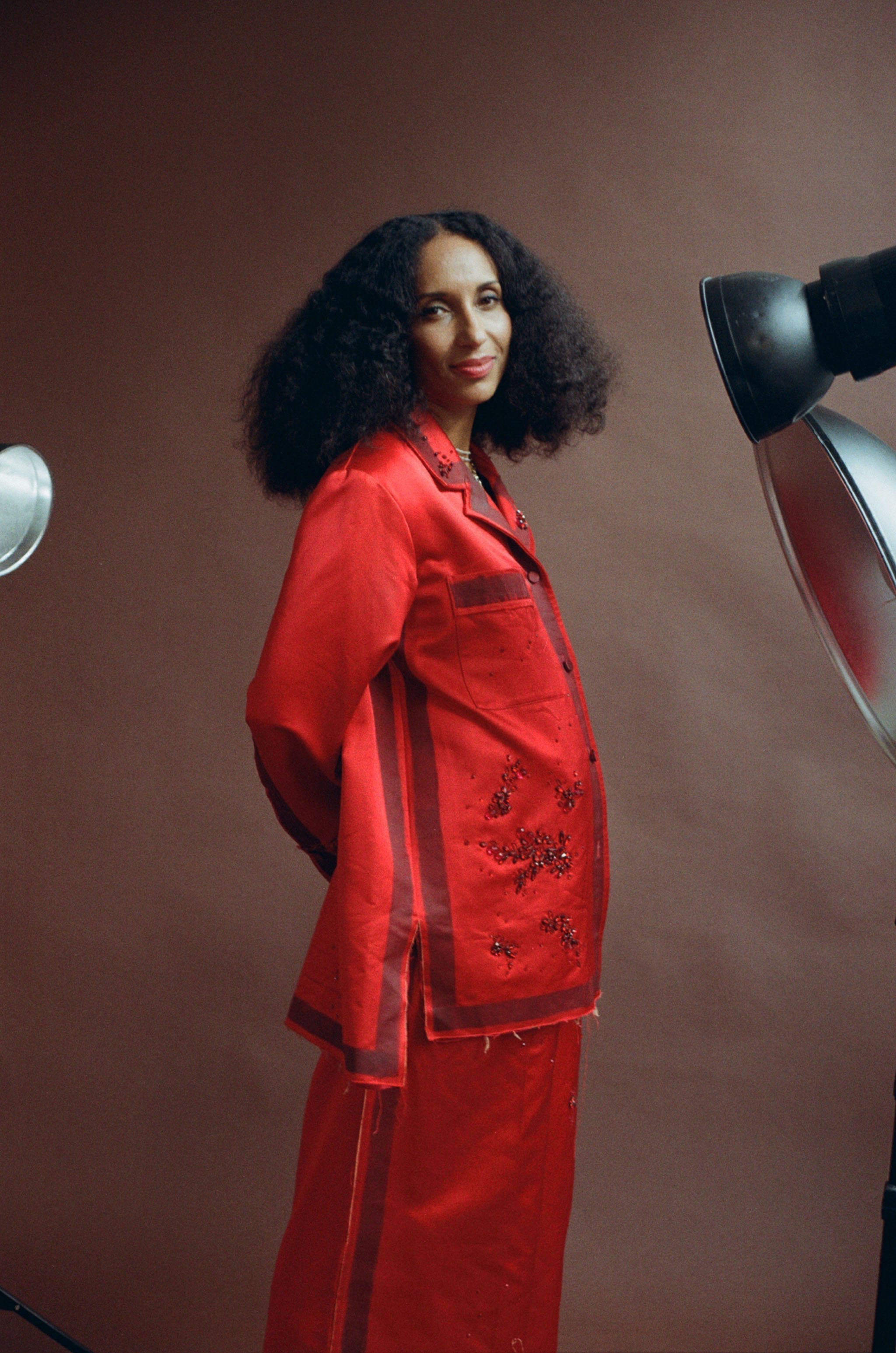
A new generation of editors and creative directors is taking the reins, pushing fashion beyond glossy fantasy to tell stories of heritage, identity, and culture. Coming from the margins of an industry that has long ignored their narratives, they are reshaping aesthetic and editorial codes, challenging a system that has been stagnant for too long. Who are they, and how is their vision redefining the way we see—and think about—fashion?

In France, fashion is finally celebrating textured hair, but the boldness is missing. Where are the sculptural hairstyles, the raw cuts, the artistic vision? Diversity doesn't rhyme with uniformity.

Diotima, Wales Bonner, Creole Official, voici mon top 3 des designers préférés de la Caraïbe qui redéfinissent les standards de l'industrie de la mode.

Thrilled to reveal Danseuses, a striking collaboration between Denis Boulze and Charlotte Huguet—where dance and fashion collide in a visceral exploration of the body in motion. A sculptural choreography, captured in stark black and white, stripping everything down to raw form and fluidity. It’s a tension between power and surrender, where every movement speaks, every curve becomes an ephemeral sculpture.

Discover CARTE BLANCHE, a short film by Iris Van Herpen and Julie Gautier, created to showcase her runway show during Paris Fashion Week, where I walk underwater, a first for me. Passionate about freediving, I took on this challenge with excitement. An enchanting dance performance, a tribute to the resilience and strength of women.

A decade in, and this one still feels electric. Shot mere hours before the world hit pause—before silence took over and movement became a memory. The raw, cinematic stillness of the Bardenas desert. The charged quiet before the storm. Slow Down for Blanc Magazine, captured by Melanie Bordas, directed by Marie David. A moment frozen, just before everything changed.


Knack Magazine editorial. Model : Gilone. Photographer : Serge Leblon - assistant : Nicolas Kengen - DA/ stylist : Ilja De Weerdt - assistant : Francis Boesman - MUA : Sofie Van Bouwel. Zanzibar island, Tanzania.


Model : GILONE The Squad Management. ELLE UK magazine. Photographer : Quentin Jones.

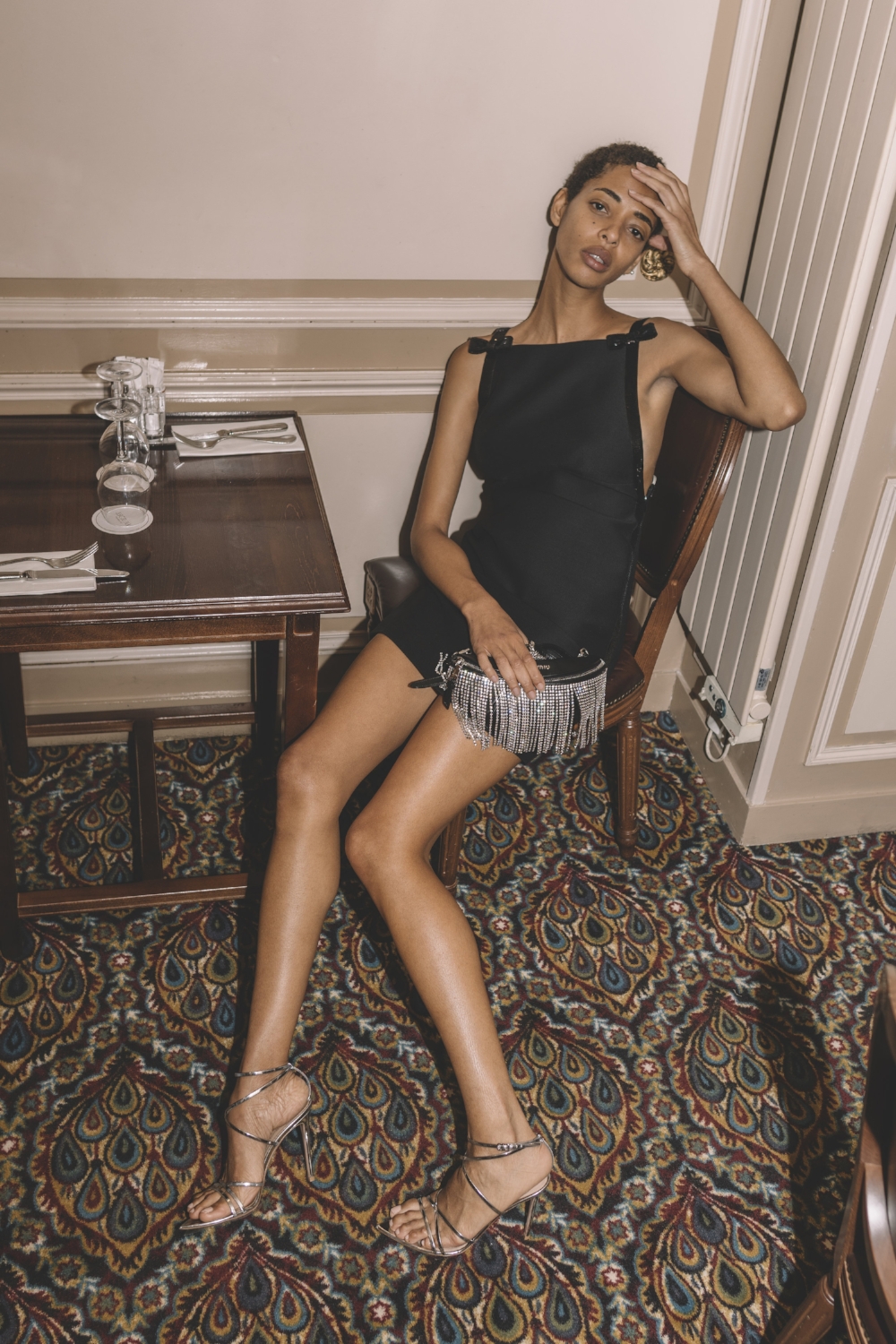
Miu Miu and Jacquemus for Lespionne Paris. Photographe : Lubaki Lubaki, model : Virginie Lentulus

Model : Virginie Lentulus, Sofia Fanego for Twin Magazine, october issue - Hanneke Van Leeuwen - Itziar Nzang - Becky Smith - Barcelone.
You will also love
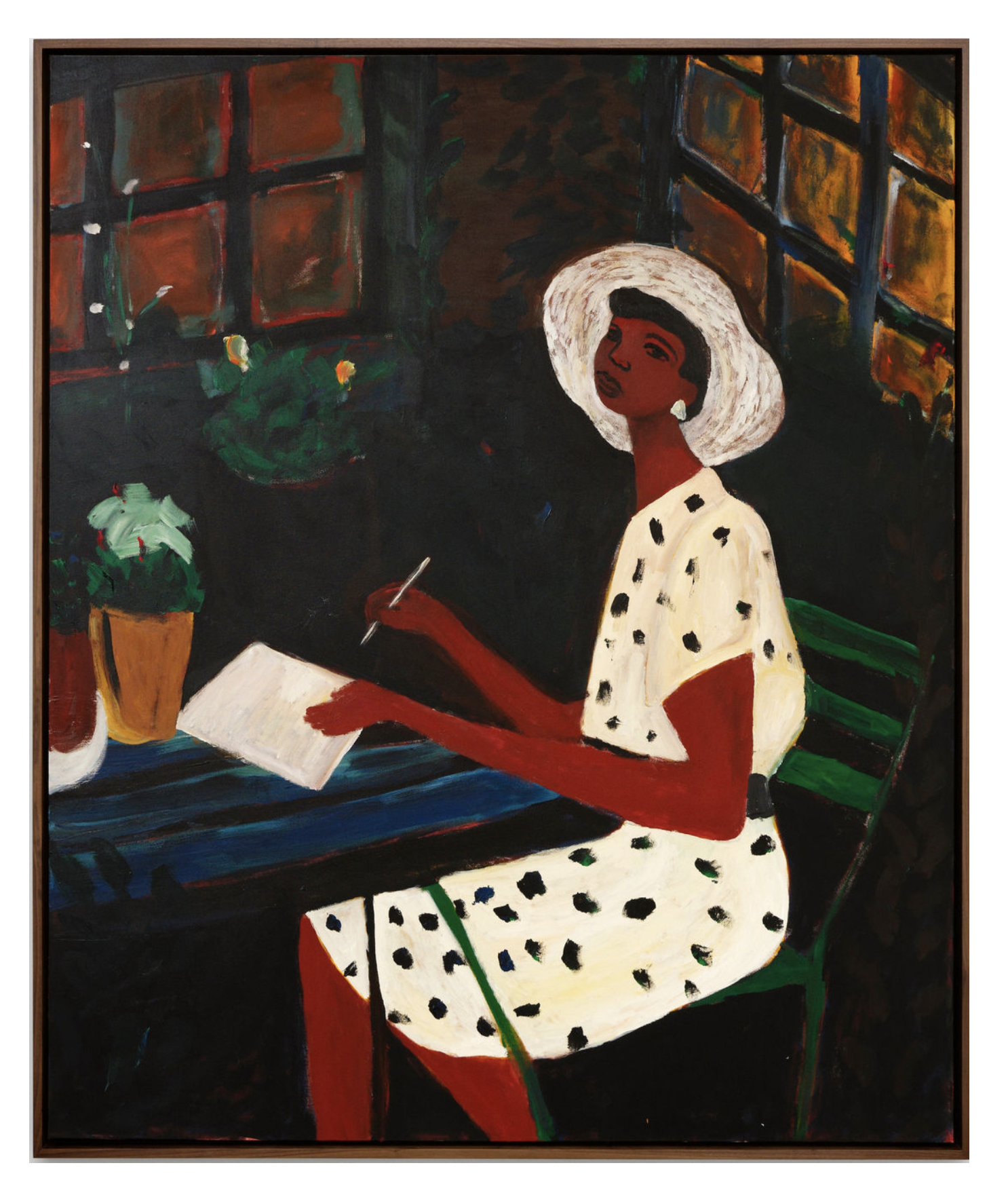
Vivid colours, expressive figuration, intimate scenes. Haitian-born heritage meets the Black diasporic experience in the paintings of Haitian-American artist Patrick Eugène. His figures hover between memory and imagination, intimacy and history, refusing the boundaries of a fixed identity. Haiti is no backdrop. It’s where another story begins.
What if luxury had different geographies? Martinican-born media executive, interior architect and jewellery designer Moana Luu is turning Creole heritage into a contemporary signature. From Martinique to New York, she is shaping a vision of luxury rooted in cultural identity.
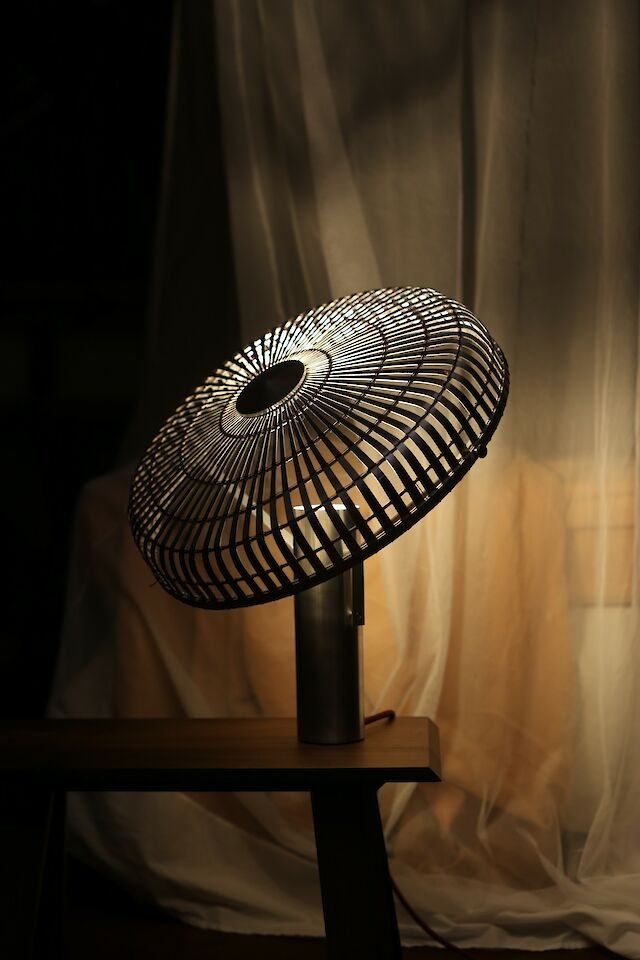
At Dach&Zephir, Guadeloupe is woven, carved and transformed into objects. For Paris Design Week 2026, the duo presents Souvenances, an exhibition marking ten years of creation at the crossroads of Creole memory, Caribbean craftsmanship and contemporary design. Another way of looking at what we call French design.
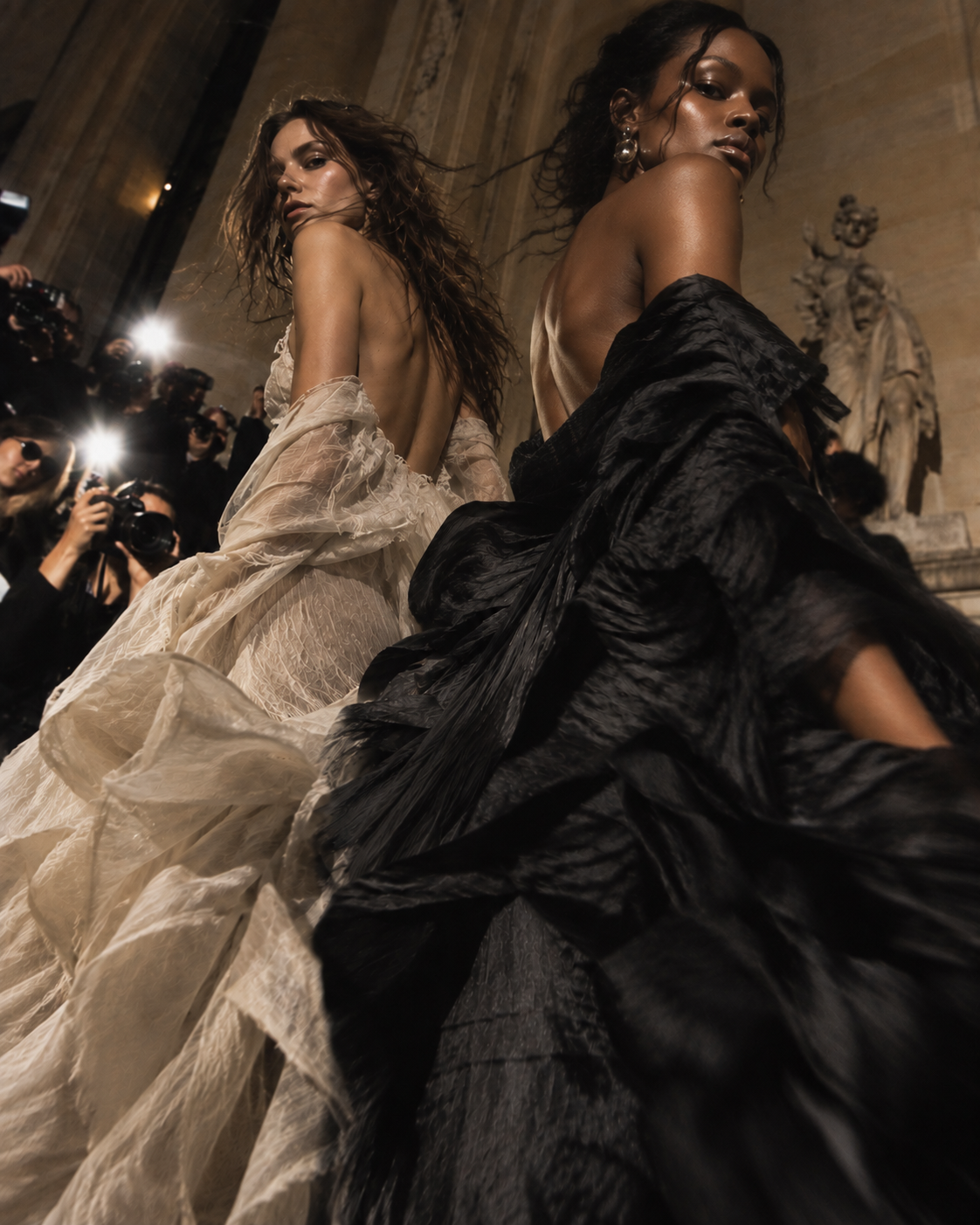
Paris will stage its grand spectacle. Two groups, one industry. The same front rows, the same oversized runways, the same looks dissected on TikTok before they are even worn. When we see everything so quickly, what is left to desire? The real question may no longer be which brand will dominate the next season, but what younger generations still want to wear and, above all, why.
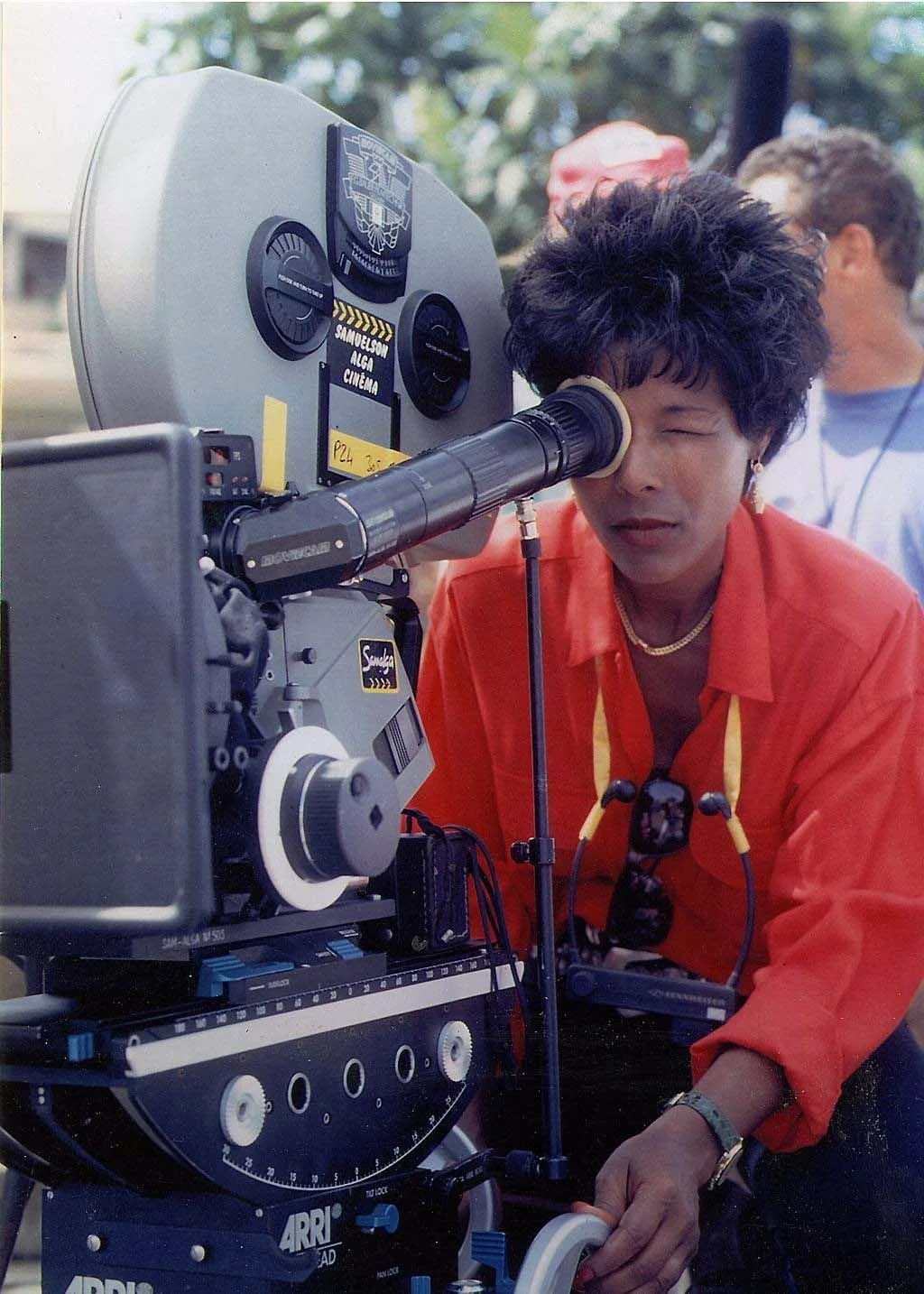
An Afropean generation is already shaping a vital part of contemporary European culture. It produces its images, sounds, codes and narratives. Yet it continues to emerge within a space where the white gaze does more than see: it frames, filters and still decides what becomes legible, legitimate and culturally central.
No label, no stylist, no front row. For a generation of independent, racialized artists operating outside the gaze of institutional fashion, image isn’t a privilege — it’s a site of reinvention. Without a costume assigned, they craft a visual presence that’s self-authored, political, and razor-sharp. A closer look.
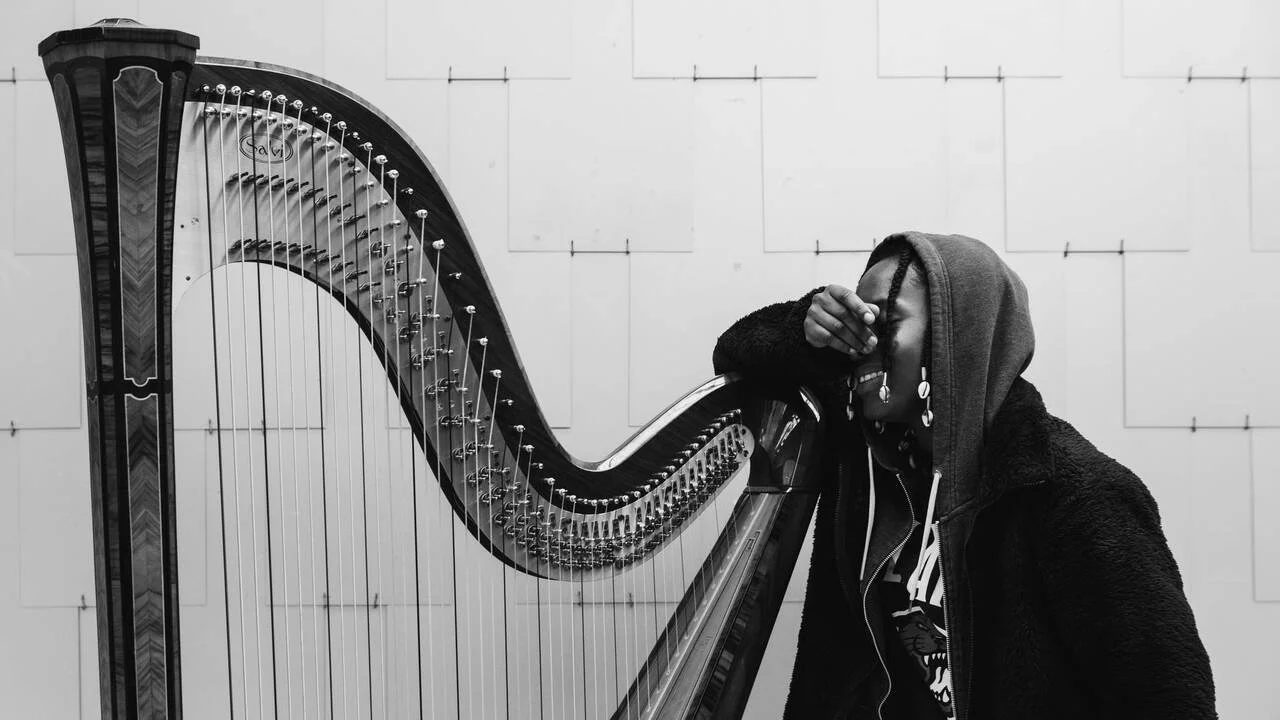
Magnetic harpist, singer and choir leader, Sophye Soliveau turns every stage into a ritual space. With Intuition, her debut album, she weaves harp and voice into a groove-infused trance where R’n’B, soul, jazz and gospel collide. A visceral, spellbound album, carried by a rare vocal mastery — part incantation, part liberation.

In the work of Simon Diebold, flesh is no longer just a surface — it’s a battleground, a hallucination, a digital relic, a scream frozen mid-glitch. His art doesn’t just depict bodies; it dissects them, refracts them, reconfigures them into ghostly avatars wandering between the physical and the phantasmagoric.

In a world overwhelmed by cold concepts, Motonaga’s fluid, rebellious colors offer a new, radical aesthetic. His free gestures inspire artists today to reshape reality through color, play, and joy. What if painting like him was already a way to rewire the world?
Jalan & Jibril. Two brothers. One lens. One radical vision. For them, the image is more than aesthetics — it’s an antidote to inner exile. Blurring the lines between photography, cinema, and diasporic identity, their work pulses with intimacy and universality. A relentless pursuit of meaning, of visibility, of self — carved through light and frame.

Screens Multiply, Stories Explode: A New Generation of Filmmakers Erase the Boundaries Between the Dark Room and the White Cube. Video art or cinema? It doesn’t matter. What matters is the explosion of forms.

Hadeer Omar, an Egyptian artist, merges Arab traditions with modern technologies through new media art, including film, photography, and interactive installations. Her work explores identity and memory, using immersive environments and virtual reality to redefine visual storytelling.
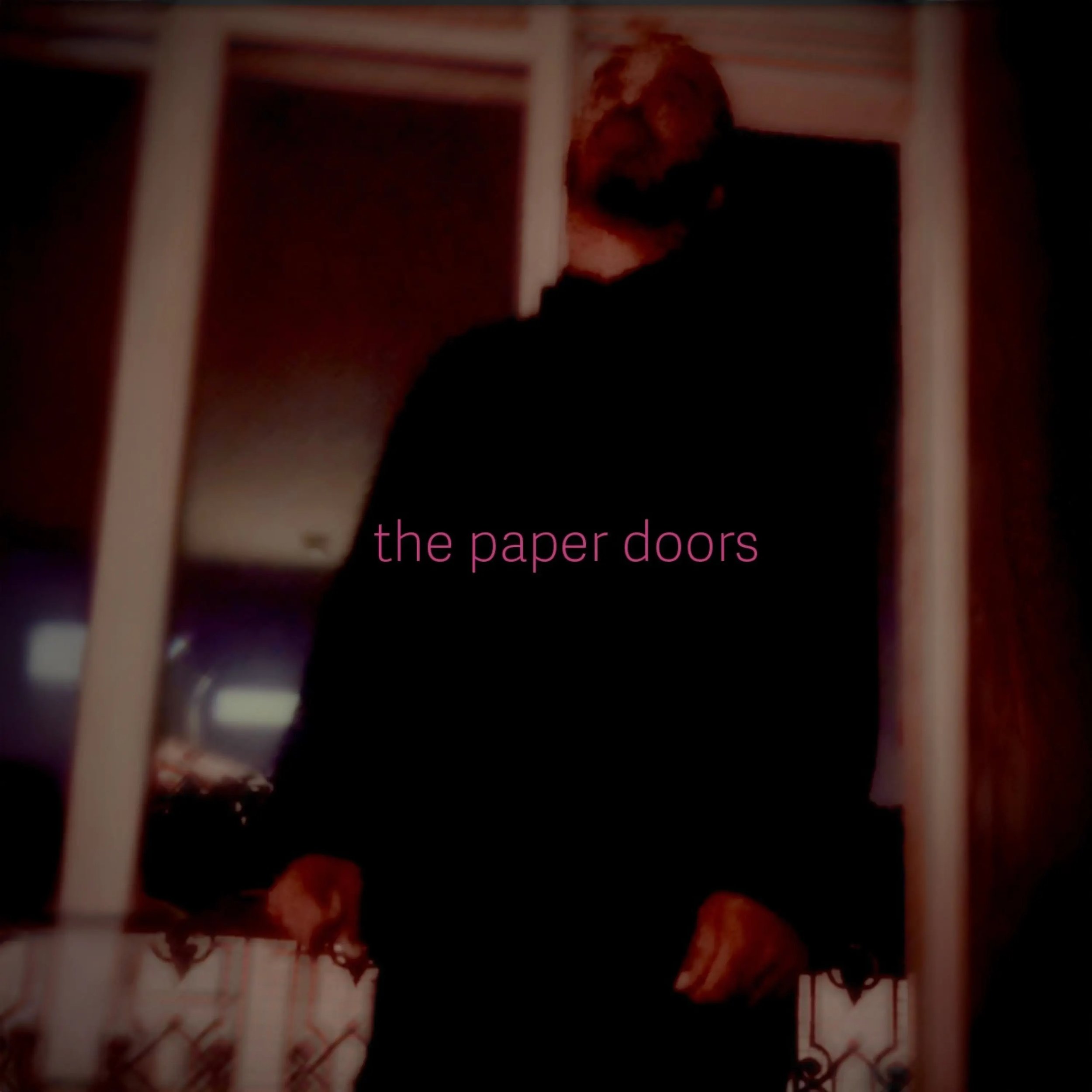
Drumming prodigy and a key figure in contemporary jazz, Justin Tyson breaks free from his prestigious collaborations to unveil The Paper Doors, his debut solo album. Blending avant-garde jazz, experimental hip-hop, and minimalist textures, he crafts a bold and immersive sonic universe. A true rhythmic manifesto, this album stands as a defining work of 2025, showcasing the sensitivity and virtuosity of an artist in full ascent.

Artists are at a crossroads: AI, NFTs, and platforms like Metalabel or Indify are reshaping the game. While institutions uphold scarcity, these alternatives promise more equity. But are they truly sustainable? Breaking the system comes with risks.
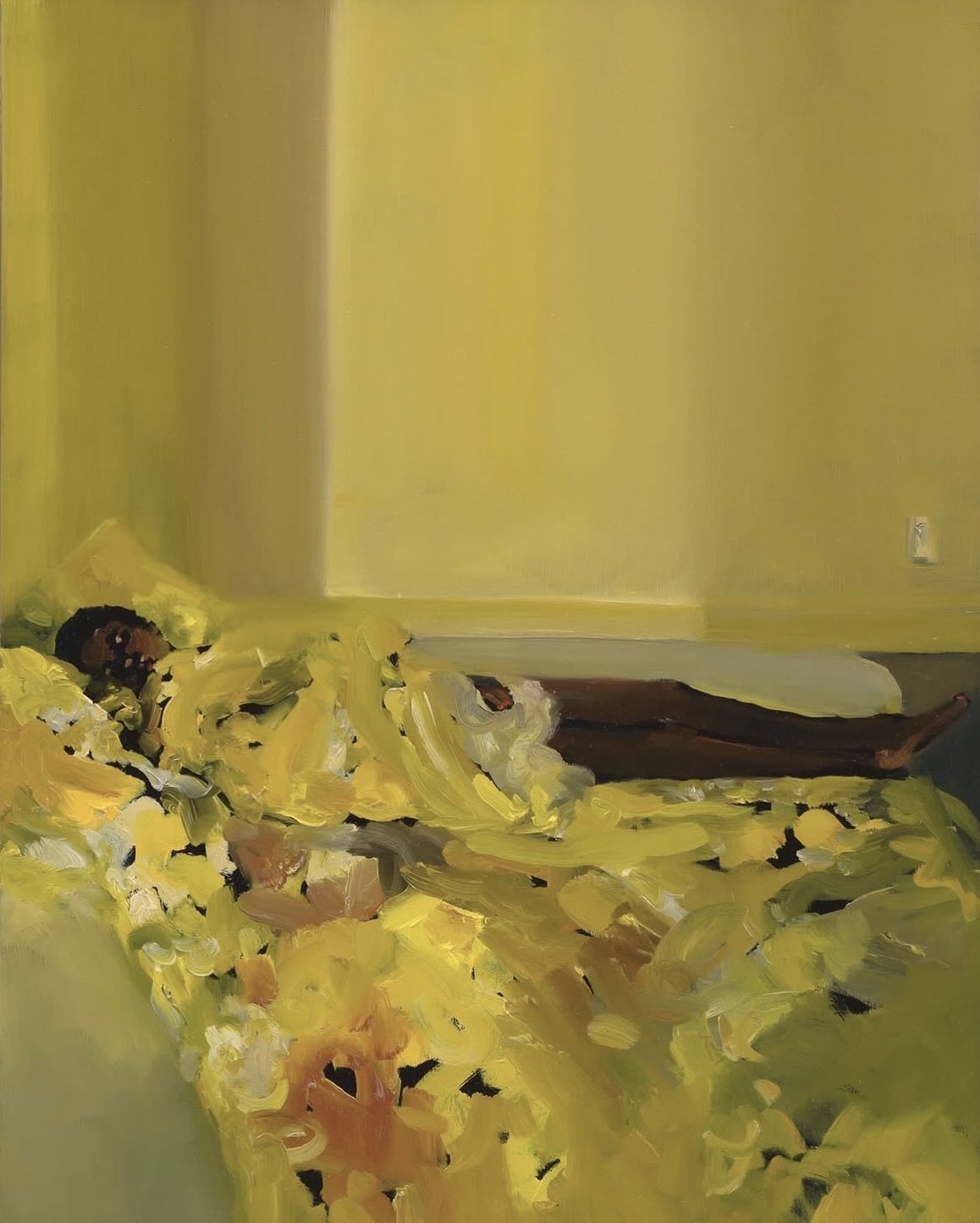
Danielle McKinney, my favorite contemporary painter, stands out with her striking portraits of Black women, exploring light, solitude, and introspection. Her work, influenced by Caravaggio and Hopper, blends emotion, mystery, and figurative art. Discover her rise, impact in the art world, and radical pursuit of beauty and contemplation.
Fashion Week is hypnotic, but who truly orchestrates the magic? Behind the scenes, an elite group of creative hairstylists shapes the looks that captivate our feeds. They steal the show, yet remain invisible. A spotlight on these legendary talents who stay in the shadows.

Artist, filmmaker, and publisher, Martine Syms deconstructs the codes of pop culture and visual capitalism. Through installations, films, and publications, she explores image, power, and Black identity in an ultra-connected world. A striking body of work, balancing social critique and glitch aesthetics.
A new generation of editors and creative directors is taking the reins, pushing fashion beyond glossy fantasy to tell stories of heritage, identity, and culture. Coming from the margins of an industry that has long ignored their narratives, they are reshaping aesthetic and editorial codes, challenging a system that has been stagnant for too long. Who are they, and how is their vision redefining the way we see—and think about—fashion?
In the shadows of the runway, they sculpt faces, set trends, and infuse an unforgettable aura into the most prestigious shows. These genius MUA artists, adored by brands but invisible to the public eye, are the silent architects of beauty. Who are they? Why are their names unknown when their work is everywhere? A deep dive into the secret world of these brush masters the industry can’t get enough of.

Discover why Dahomey by Mati Diop is much more than a film about the restitution of art—it is a political and social work that questions France’s colonial history. Through her unique vision, Diop embodies the new voice of French cinema, essential for the diaspora and the representation of Black women in the industry.
In France, fashion is finally celebrating textured hair, but the boldness is missing. Where are the sculptural hairstyles, the raw cuts, the artistic vision? Diversity doesn't rhyme with uniformity.
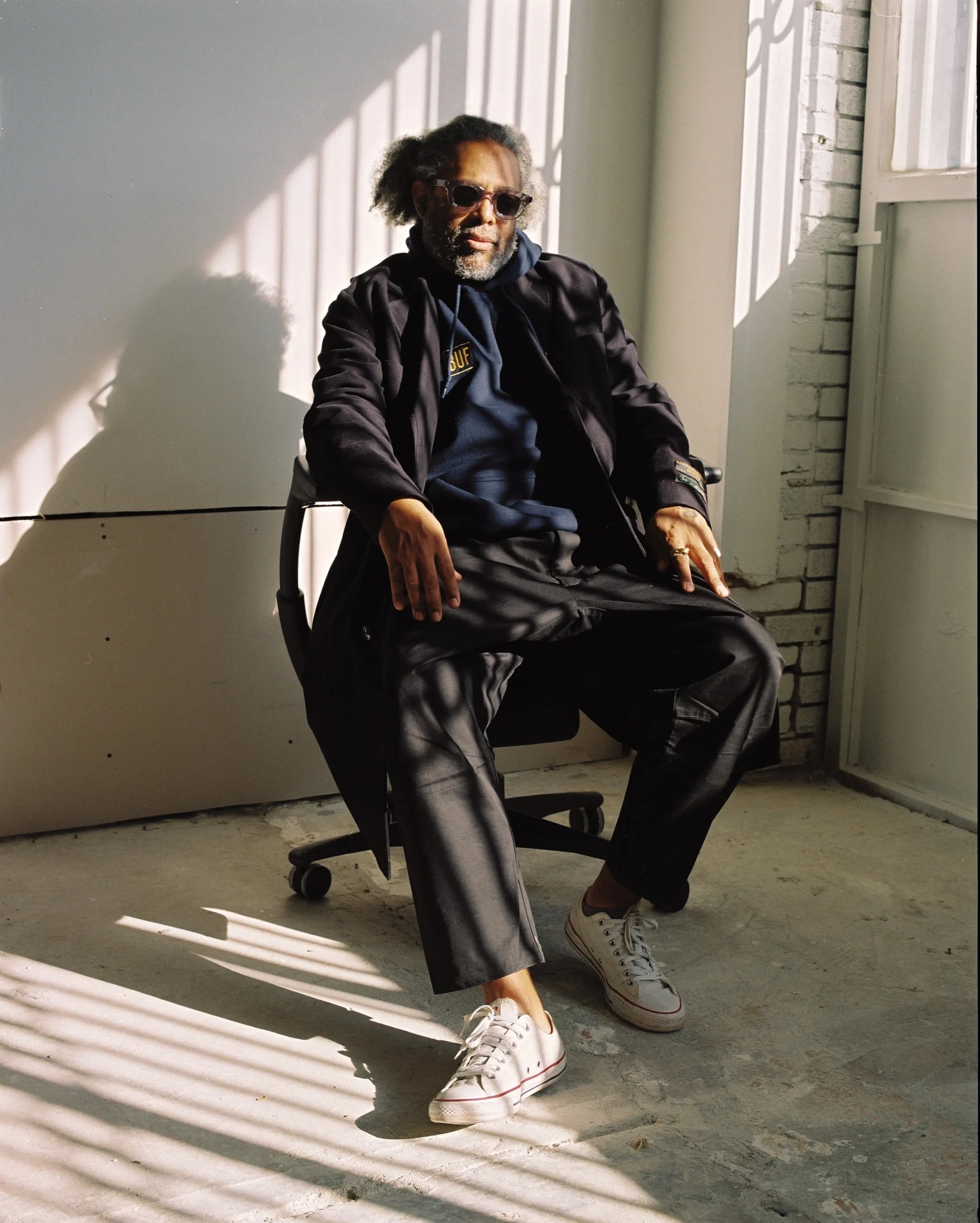
Arthur Jafa is an artistic shockwave. In 2025, Paris will dedicate an exhibition to him at the Bourse de Commerce, showcasing his raw, political, and poetic art. A must-see visual revolution for contemporary art in France.

AS WE RISE, AFROSURF, and IMPOSSIBLE ISLAND by Henry Froy reinvent the visual narrative of Black cultures for the world. Between memory, resistance, and brilliance, these contemporary photographic works capture the soul of a heritage in full resonance. It all starts with an idea.

For SEX IS COMEDY, my voice became part of the soundtrack, opening the doors to a world that is often discreet yet fundamental: that of intimacy coordinators. Through this film, I discovered the importance of this profession, which, far from being anecdotal, is essential for a more respectful and ethical cinema.

Biarritz reveals itself through the elements: the roaring ocean, the whispering wind, the resonating rain. From dawn to dusk, this poem immerses you in the wild yet serene soul of the Basque coast. Between surfing, shifting light, and fleeting moments, let yourself be carried away by the magic of Biarritz, where every hour writes a new emotion.

Discover the original trailer for Queen of the Sea (2023), directed by Kate Cox, where my vocal composition (Gilone) blends with Emilie Rice's musical work, creating a unique sonic experience that combines ambient music and electronic sounds.
Caribbean fashion is making its mark on the international scene thanks to visionary designers who infuse their heritage into their creations. Diotima, Wales Bonner, C.R.E.O.L.E… Discover my top 3.

Slowing down to truly live—this theme inspired my first music video, “Slow Down” from my debut EP, Ocean Call. Self-produced, it invites you on a sensory journey between reality and imagination. Directed by Hamadou Frédéric Baldé, the video captures a poignant connection between me and dancer Kevin Bago as we move fluidly from urban landscapes to the heart of nature whenever our paths cross. Gilone.
Thrilled to reveal Danseuses, a striking collaboration between Denis Boulze and Charlotte Huguet—where dance and fashion collide in a visceral exploration of the body in motion. A sculptural choreography, captured in stark black and white, stripping everything down to raw form and fluidity. It’s a tension between power and surrender, where every movement speaks, every curve becomes an ephemeral sculpture.
Discover CARTE BLANCHE, a short film by Iris Van Herpen and Julie Gautier, created to showcase her runway show during Paris Fashion Week, where I walk underwater, a first for me. Passionate about freediving, I took on this challenge with excitement. An enchanting dance performance, a tribute to the resilience and strength of women.

Paris will stage its grand spectacle. Two groups, one industry. The same front rows, the same oversized runways, the same looks dissected on TikTok before they are even worn. When we see everything so quickly, what is left to desire? The real question may no longer be which brand will dominate the next season, but what younger generations still want to wear and, above all, why.