Fashion, Uninvited: How Independent Artists Are Rewriting Their Image
No label, no stylist, no front row. For a generation of independent, racialized artists operating outside the gaze of institutional fashion, image isn’t a privilege — it’s a site of reinvention. Without a costume assigned, they craft a visual presence that’s self-authored, political, and razor-sharp. A closer look.
Not styled, not seen

In the post-Instagram era, appearance isn’t just an accessory, it’s a strategy. In music and art alike, style is a passport to media spaces, curatorial circles, and commercial platforms. But this kind of visual capital, borrowed looks, brand validation, stylist access — remains reserved for a select few.
For independent artists, especially those who are racialized or outside normative aesthetics, that access is rare. Their invisibility isn’t a matter of boldness, but of aesthetic recognition. The system only validates what it has already manufactured.
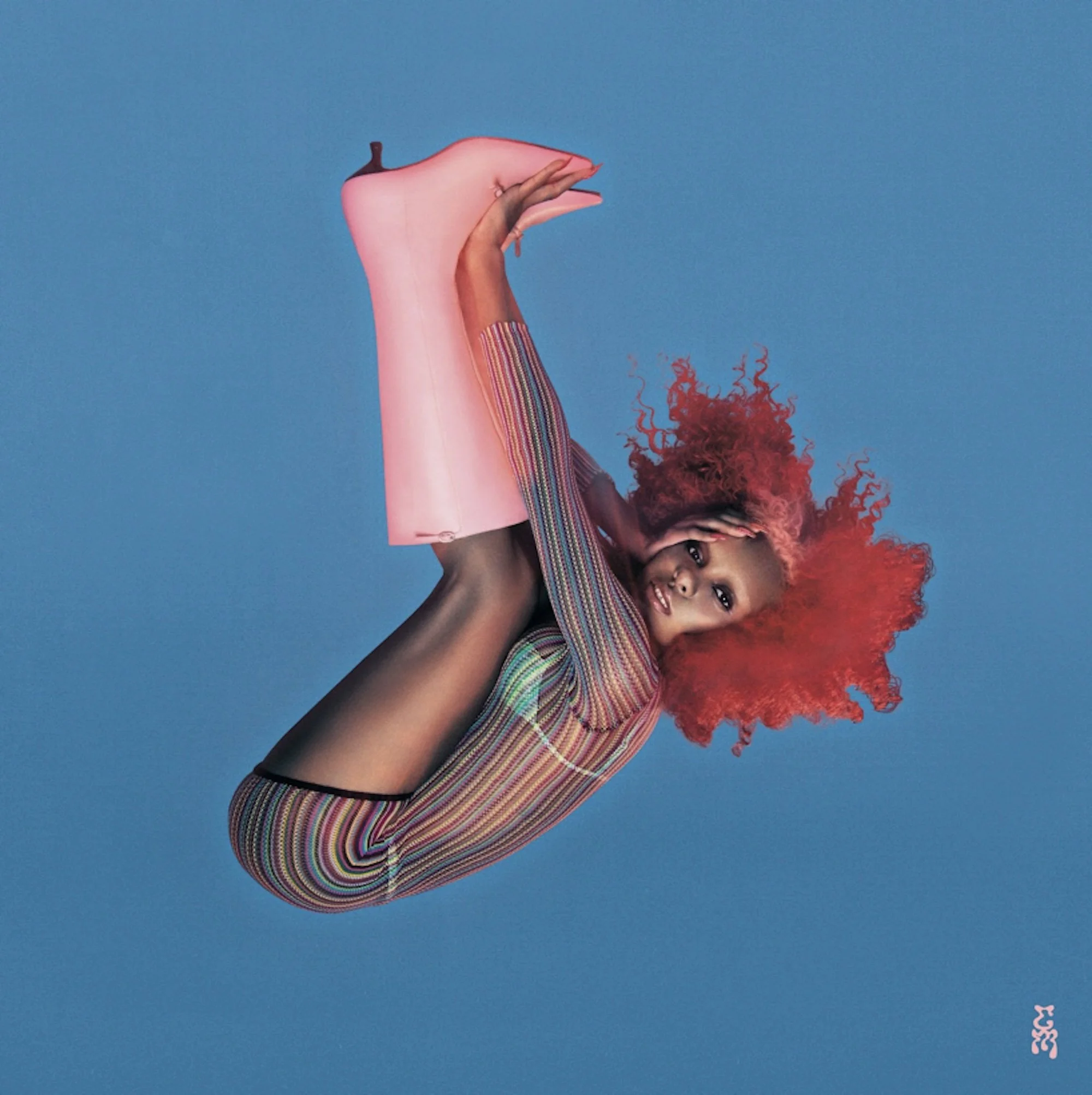
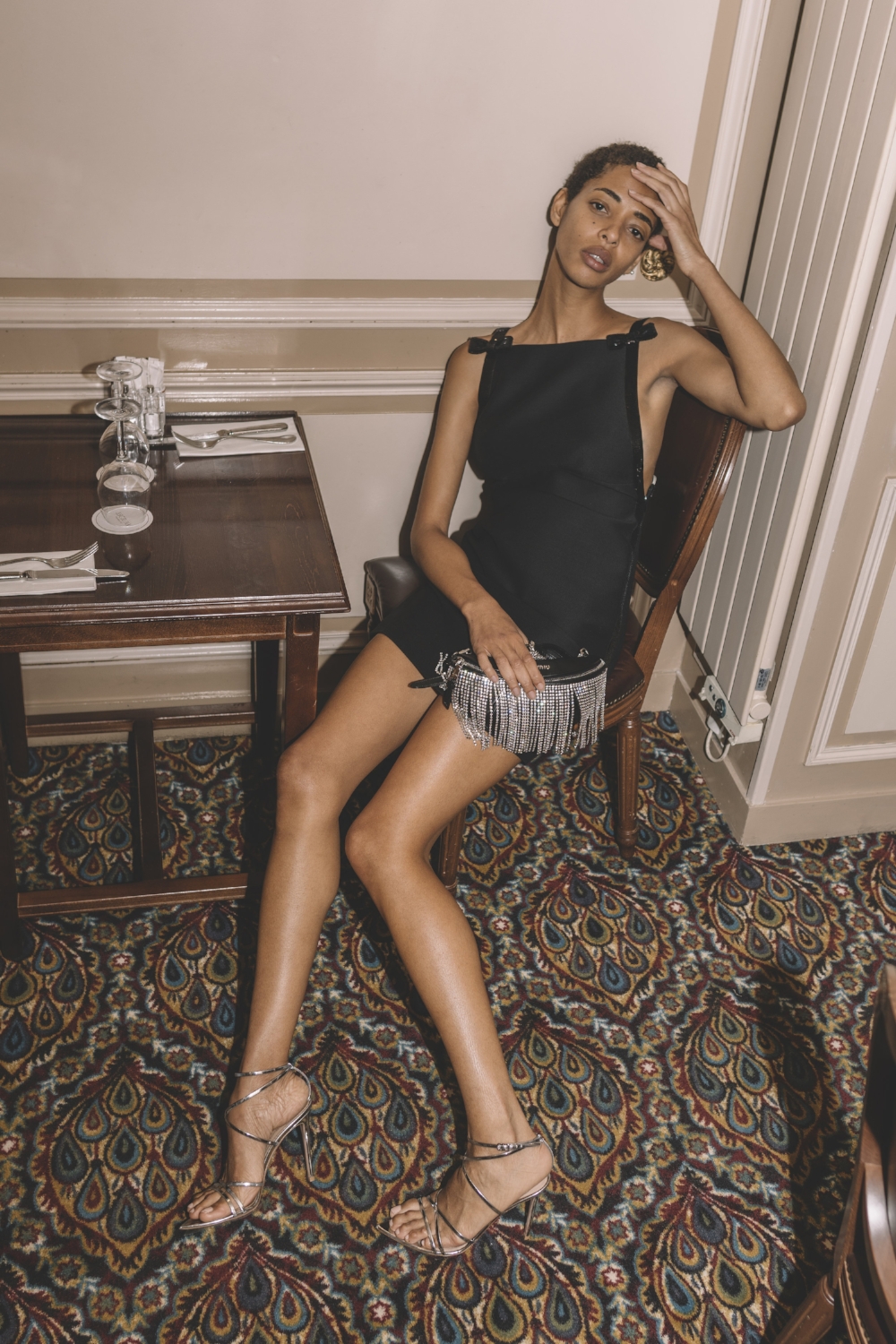
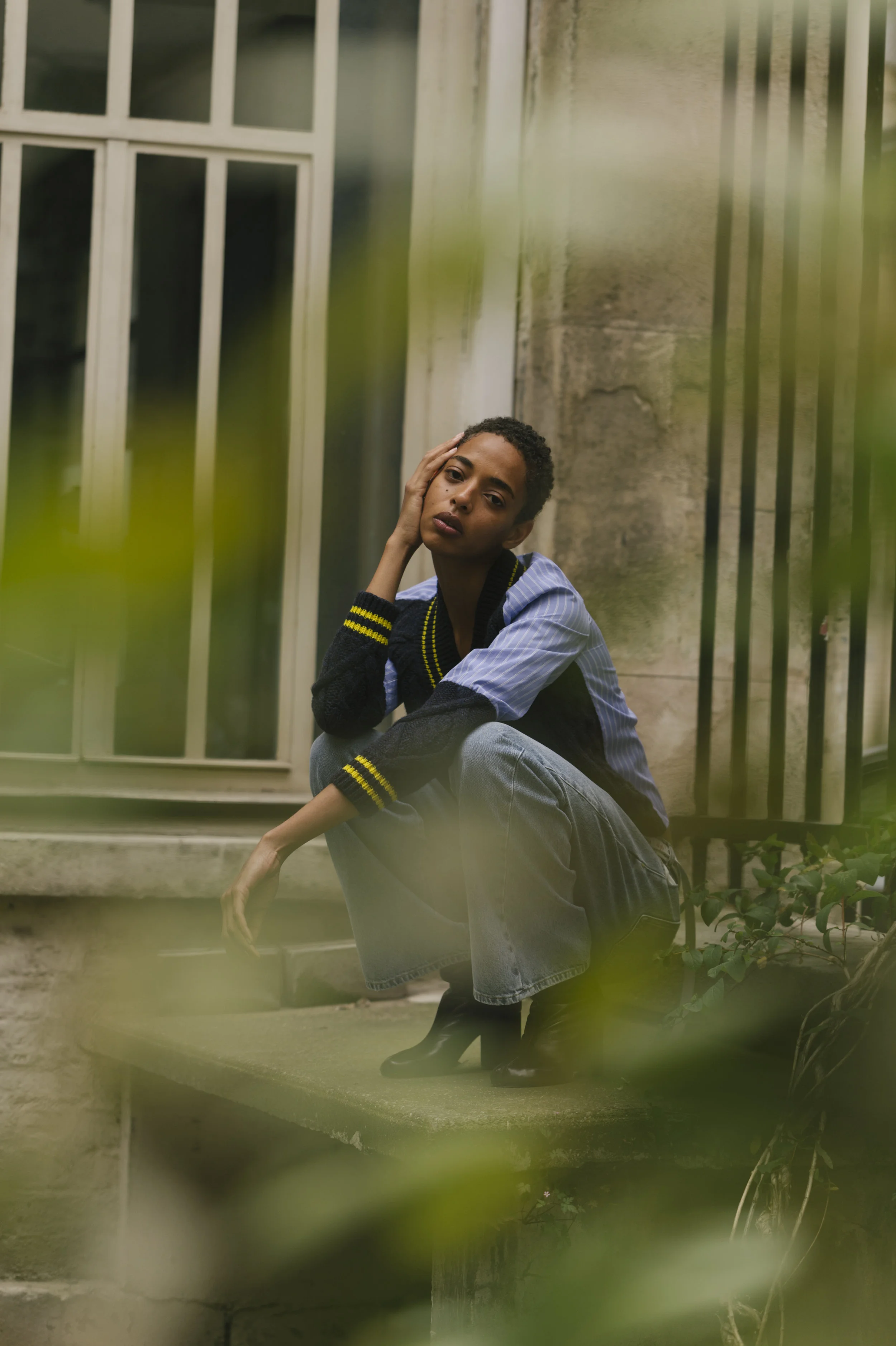
Crystal Murray
« People love to put labels on young people and artists, my generation is not agreeing with the boxes people want to put us in. »
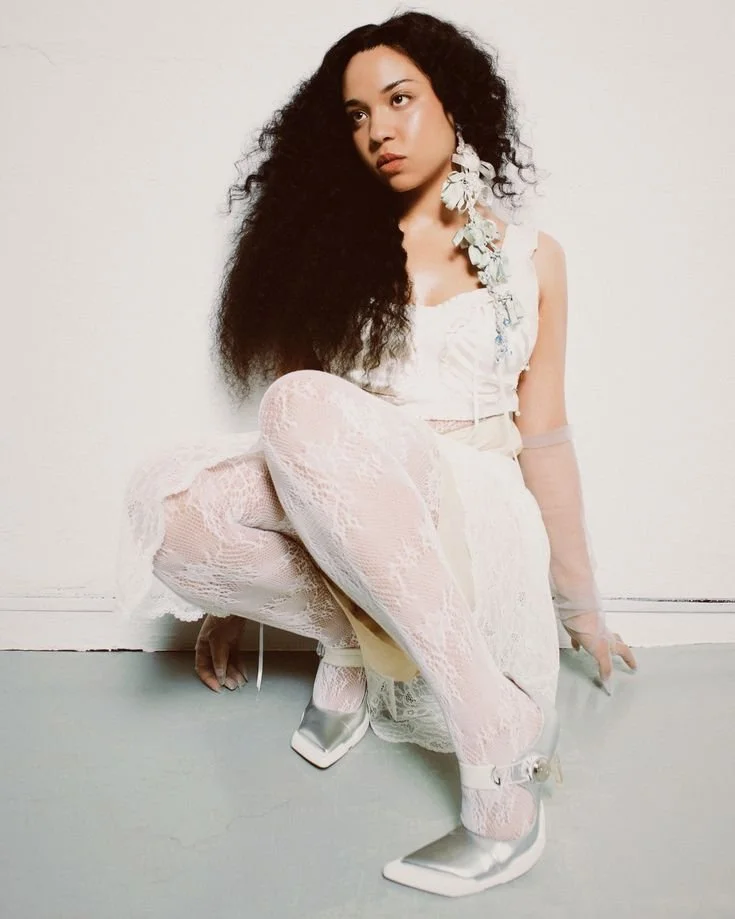
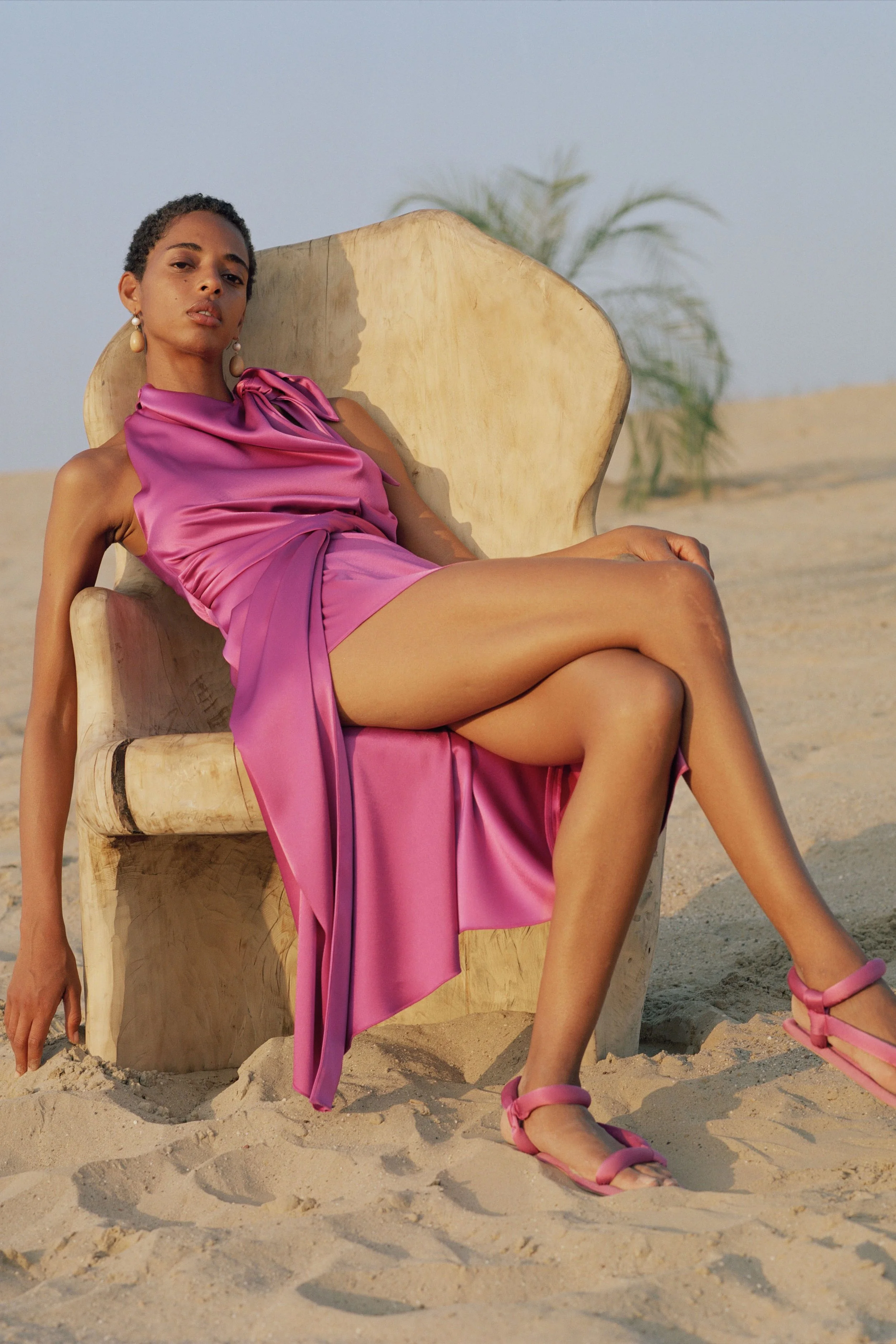
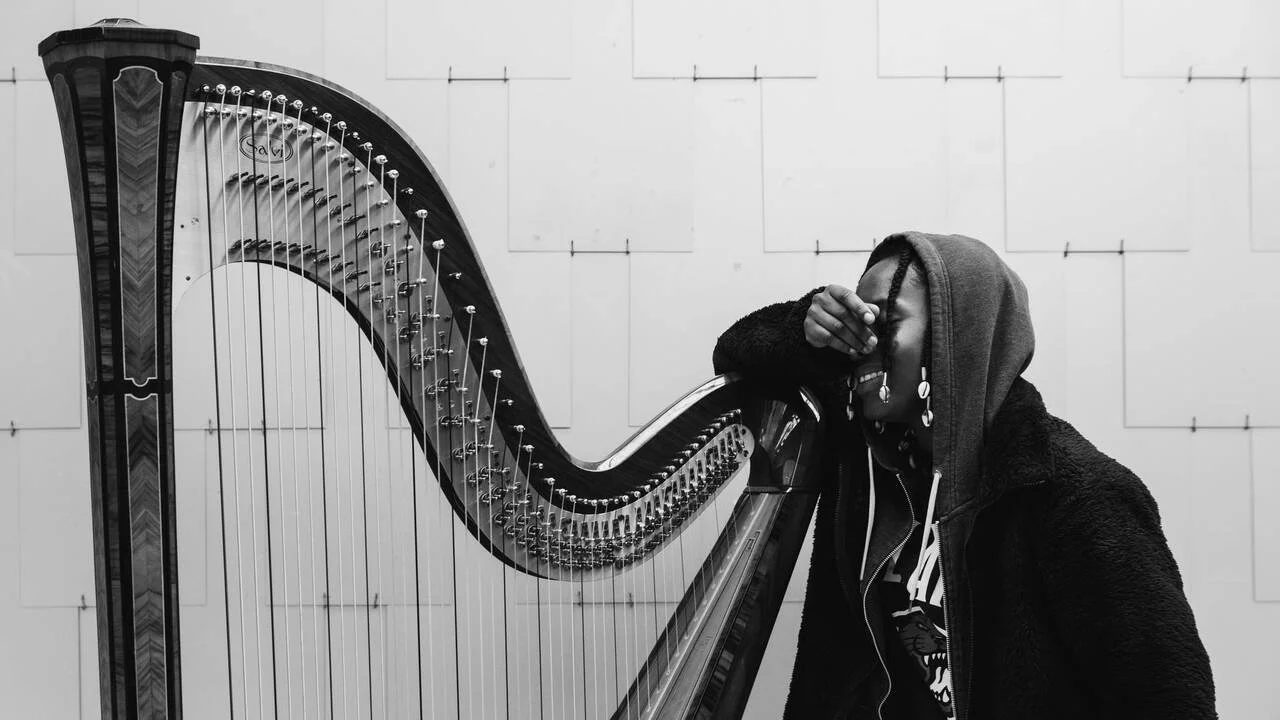
Yoa
Here, clothing becomes an act of resistance. To embody an image that unsettles, subverts, or refuses aesthetic consent.
Because as long as fashion only validates in one direction, independence remains a blurred silhouette in the institutional gaze.
Shaping a Self Outside the Frame
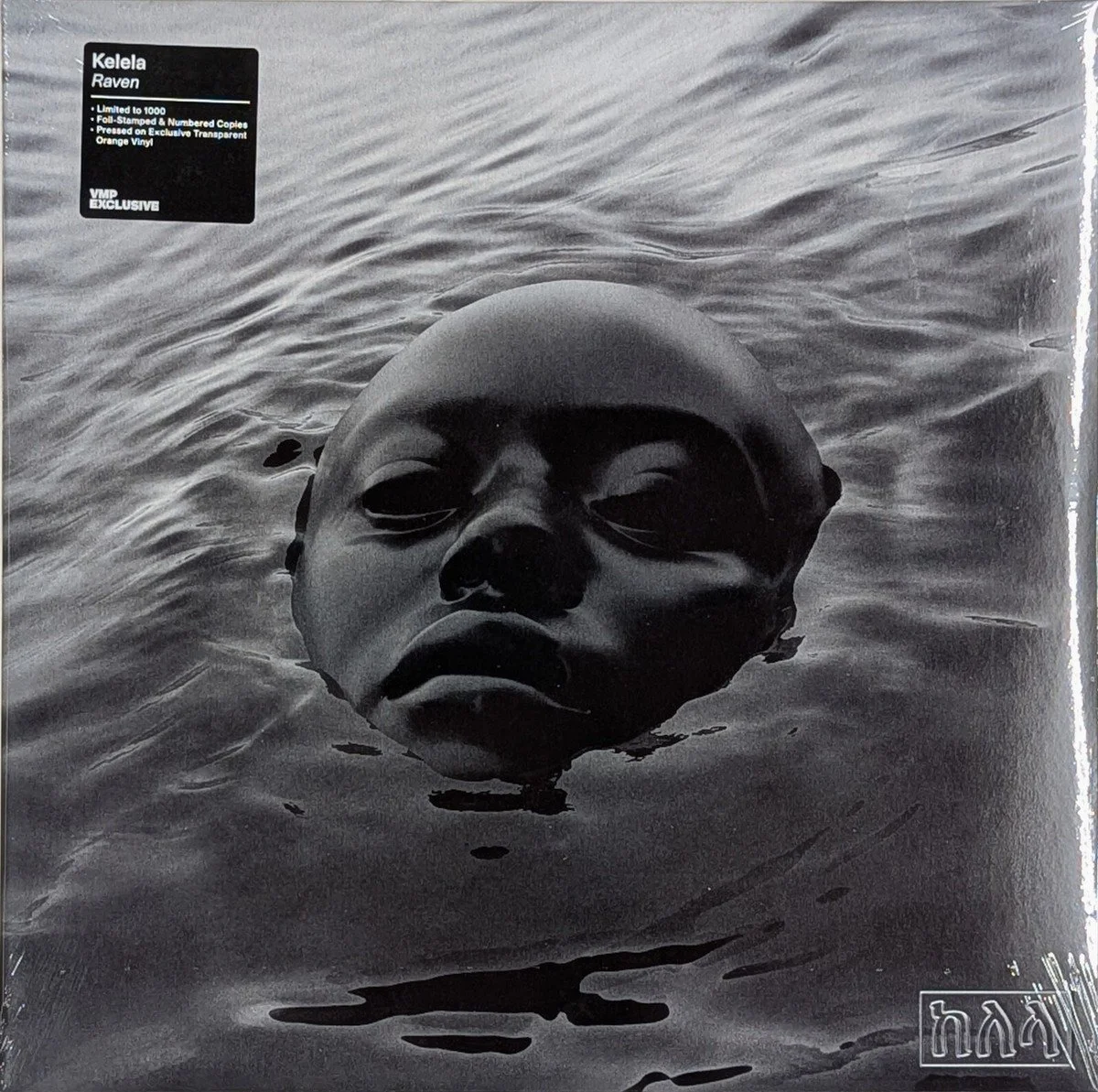
Denied the attention of major fashion houses, independent artists become their own storefront.
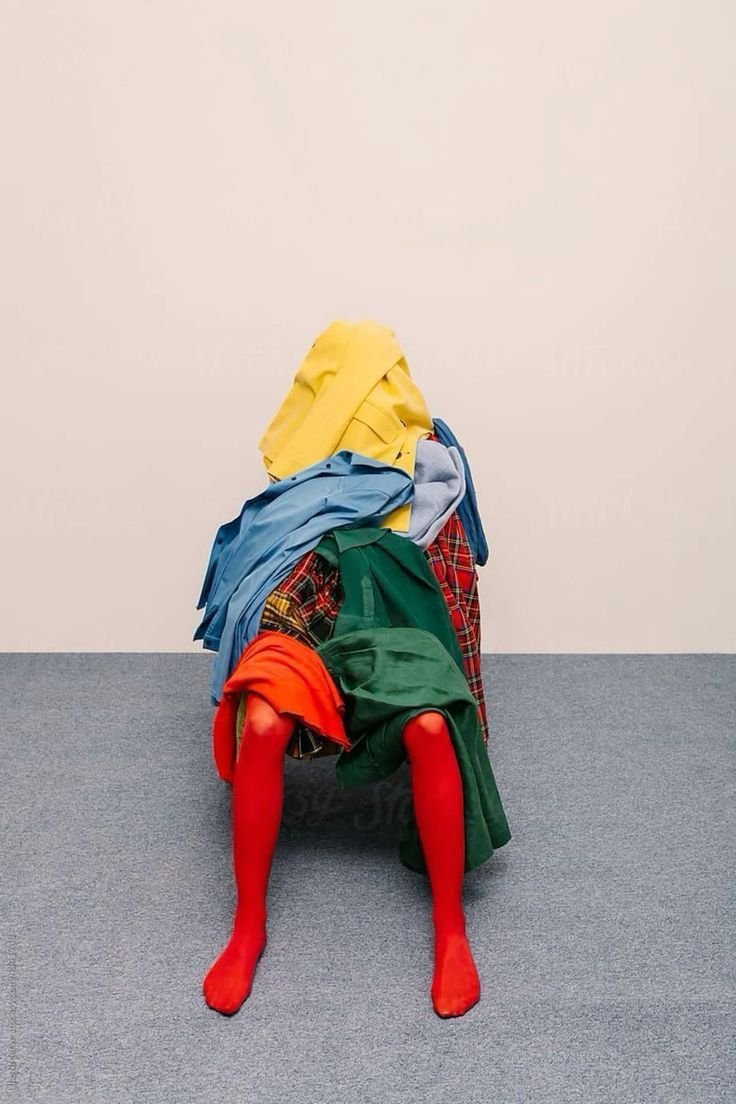
Thrifted styling, self-portraits, family archives, repurposed objects — their image is built from the margins, but with precision. It becomes a manifesto.
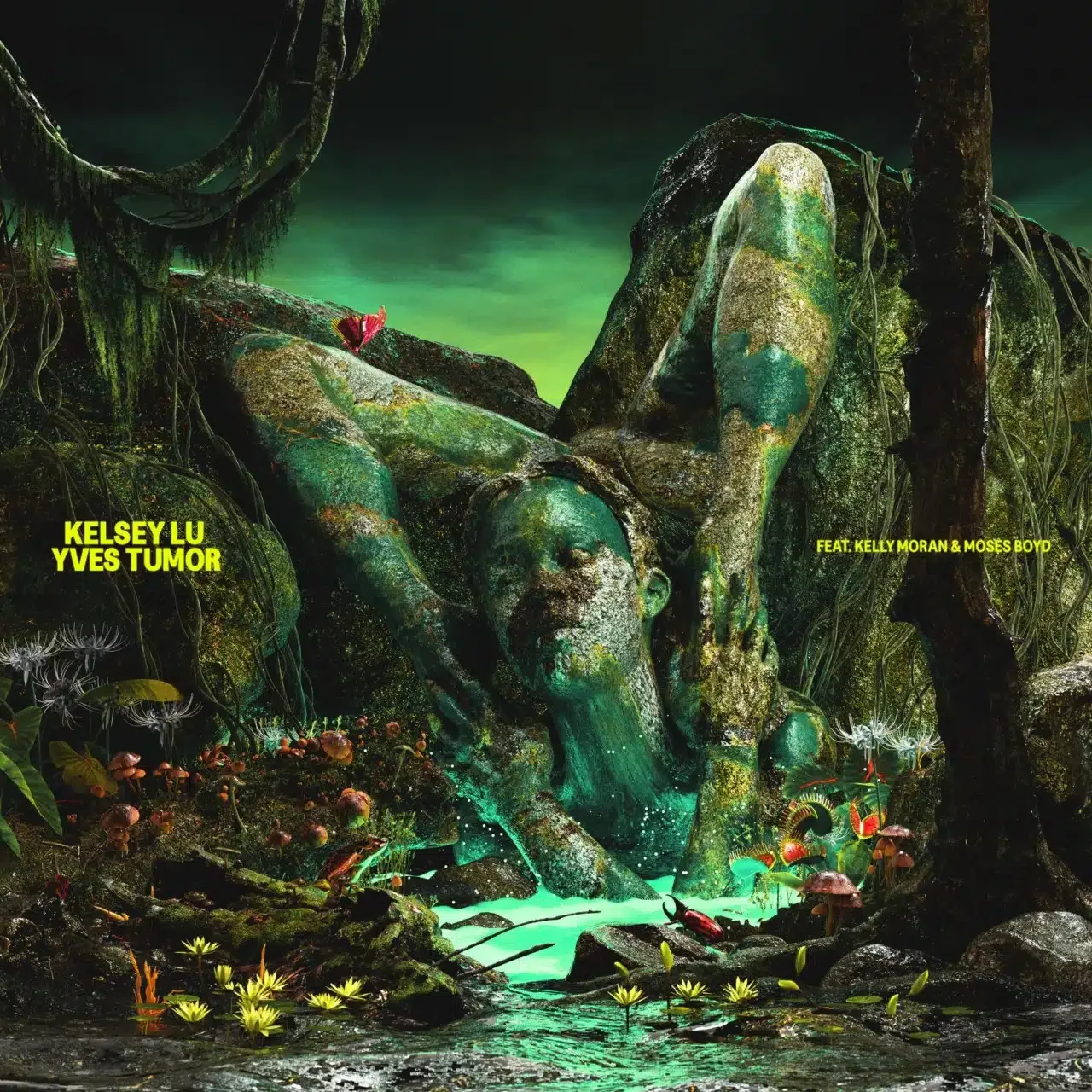
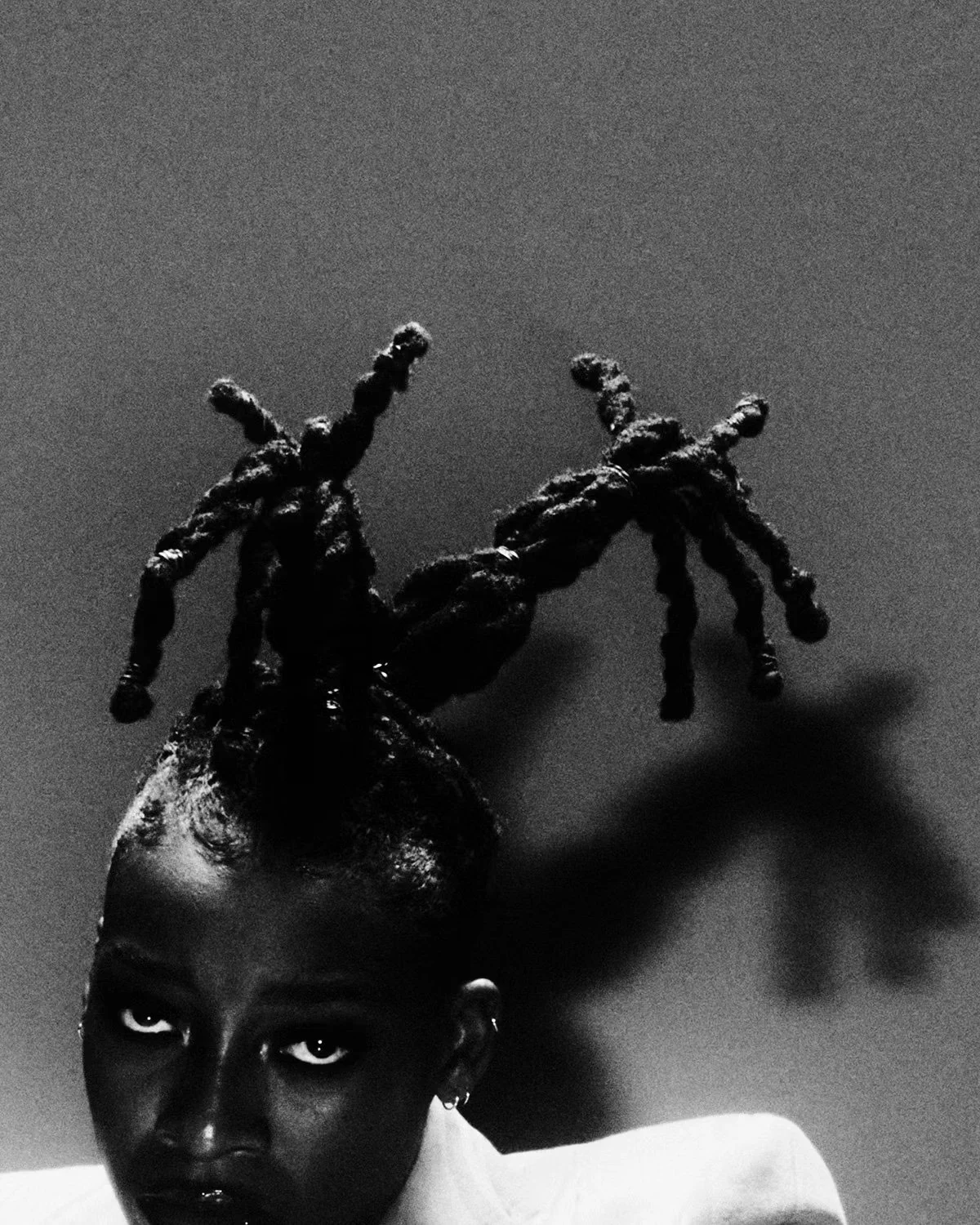

For many, image is a first language. A living album cover. A refusal to conform to marketable silhouettes.
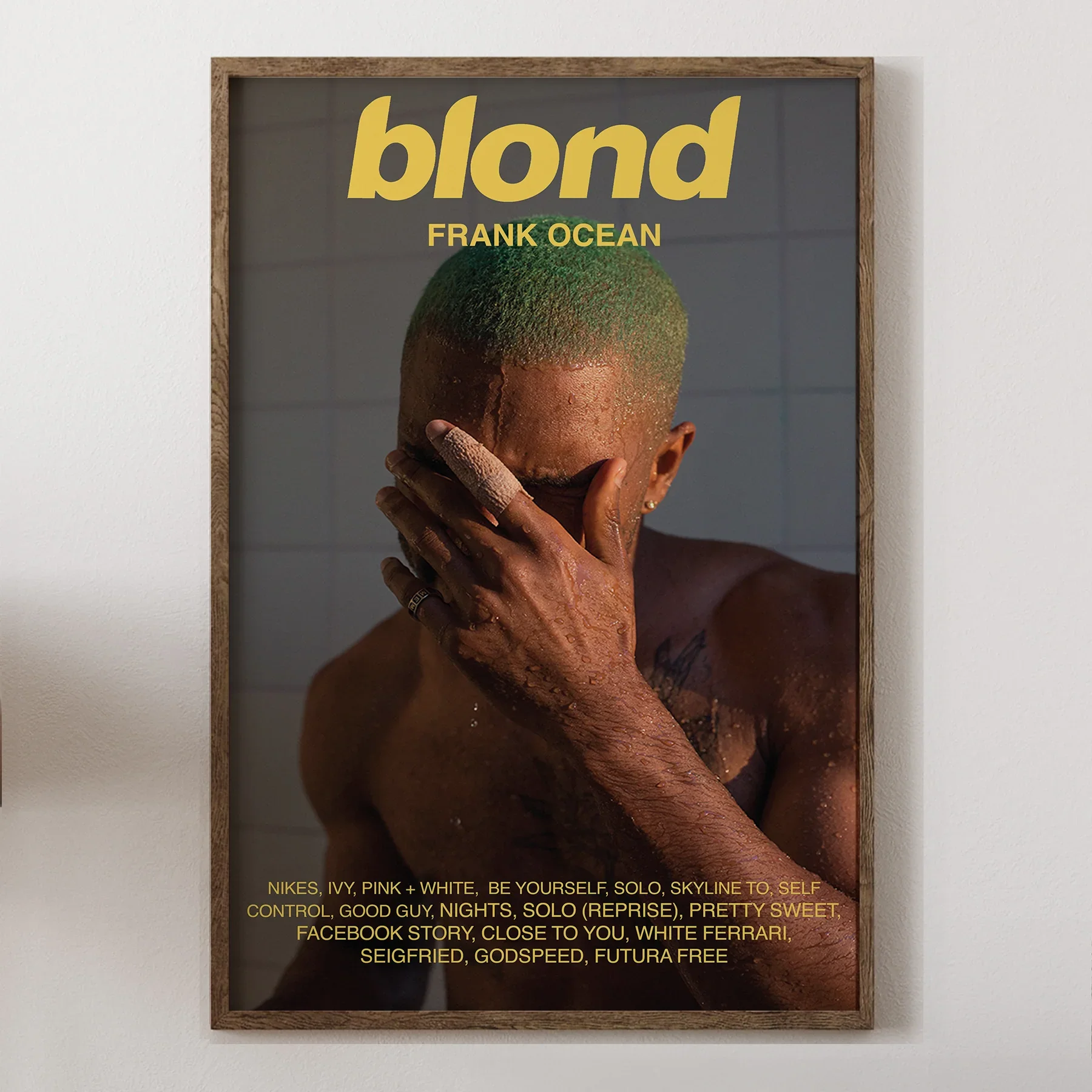
Cover album “Blond” de Frank Ocean, 2016
The Rare Collaborators Who Refuse to Be Just a Name on the Label
Some brands are building bridges but these exceptions can’t make up for the lack of infrastructure for non-aligned artists.
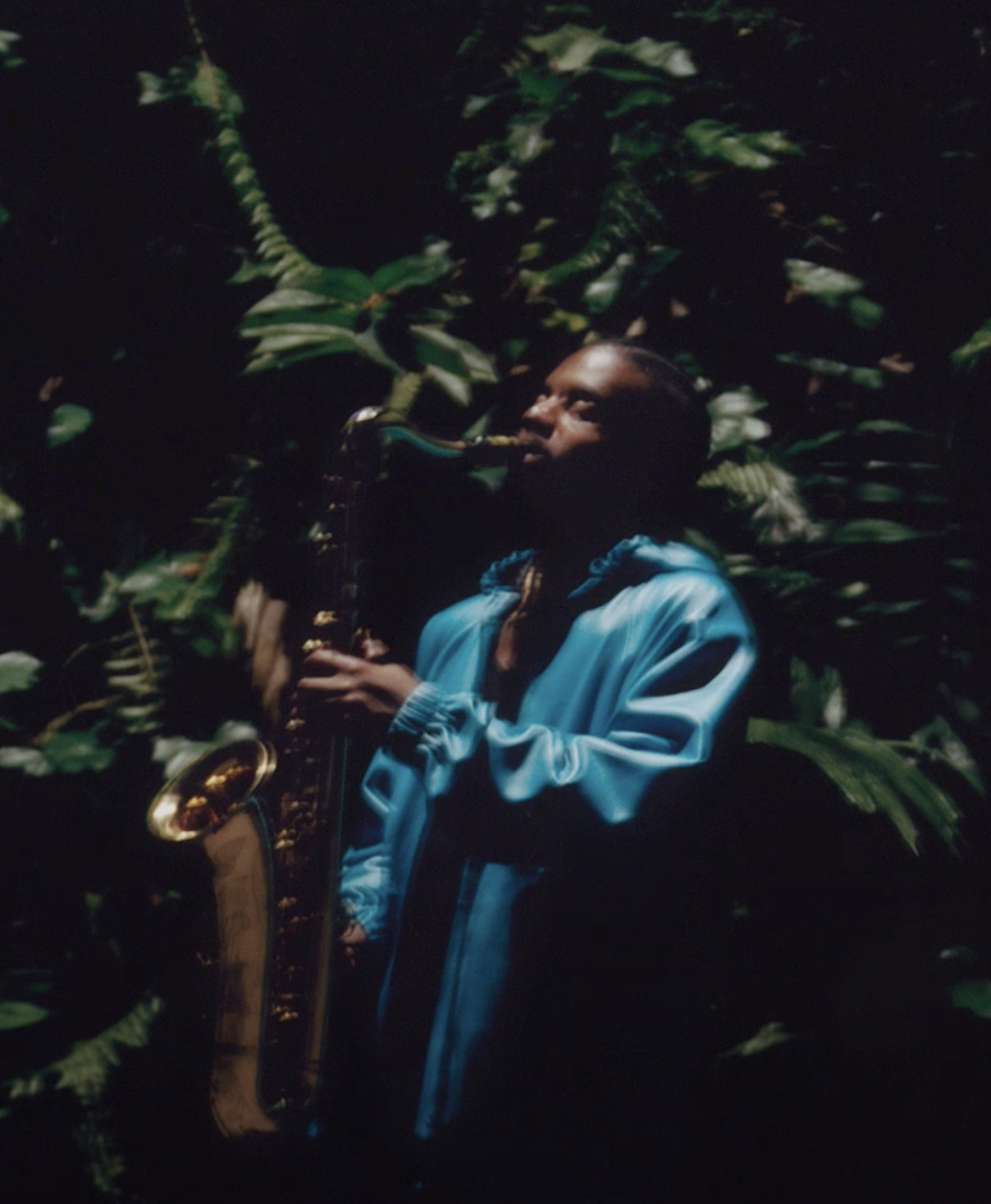
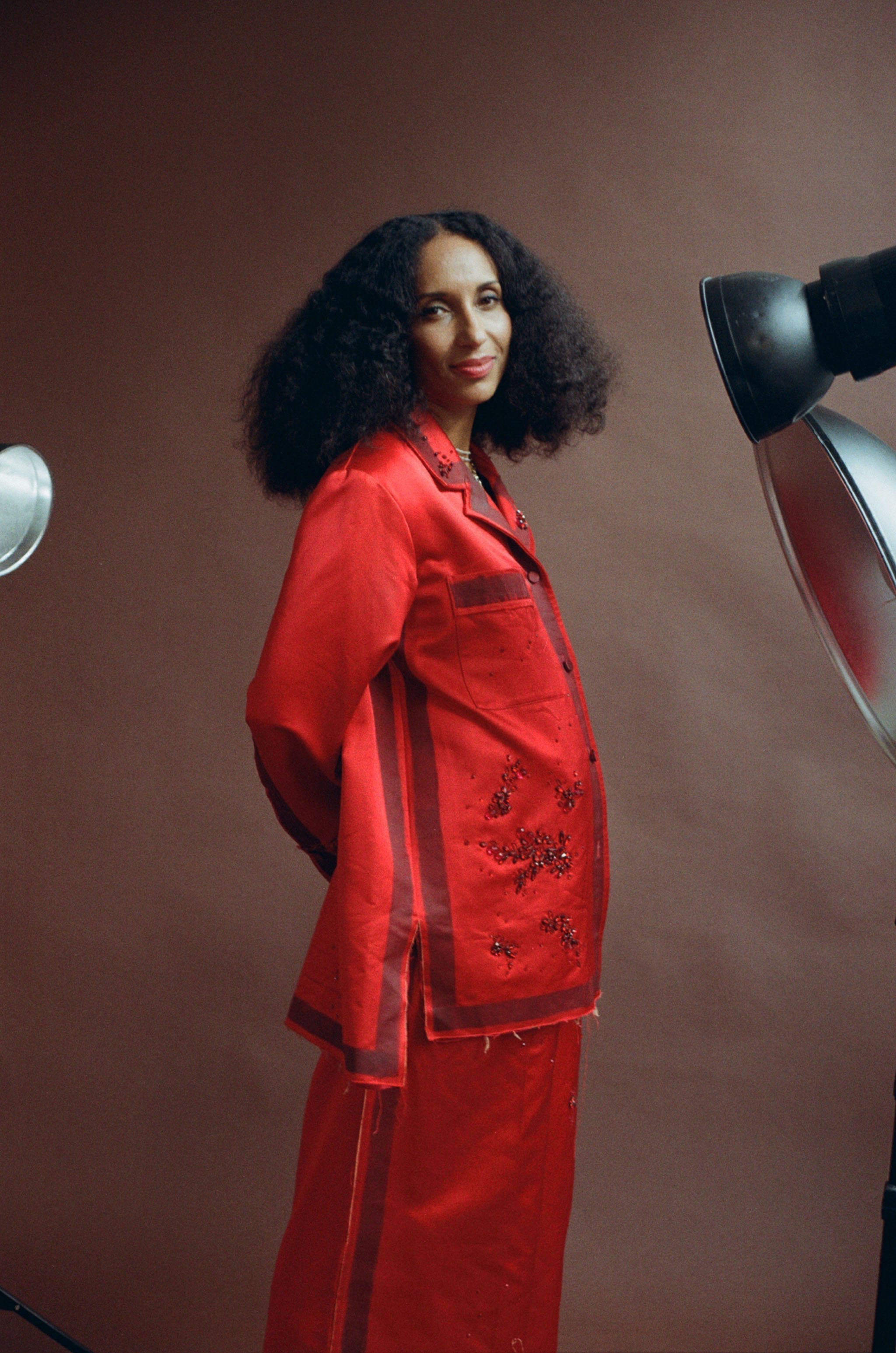
Cktrl for Wales Bonner
Daily Paper is a pioneer: rooted in culture, not trend cycles. Wales Bonner weaves diasporic memory into sound and silhouette. Collaborations with Dev Hynes, Sampha, or Cktrl aren’t collabs-for-clout — they’re communion. Shared language. Shared lineage.
Elsewhere, brands like Marine Serre, Acne Studios, and Marni are beginning to shift. Slowly, step by step, they move beyond tokenism. Racialised, queer, diasporic performers are no longer the backdrop — they’re the lens. The core. The future.
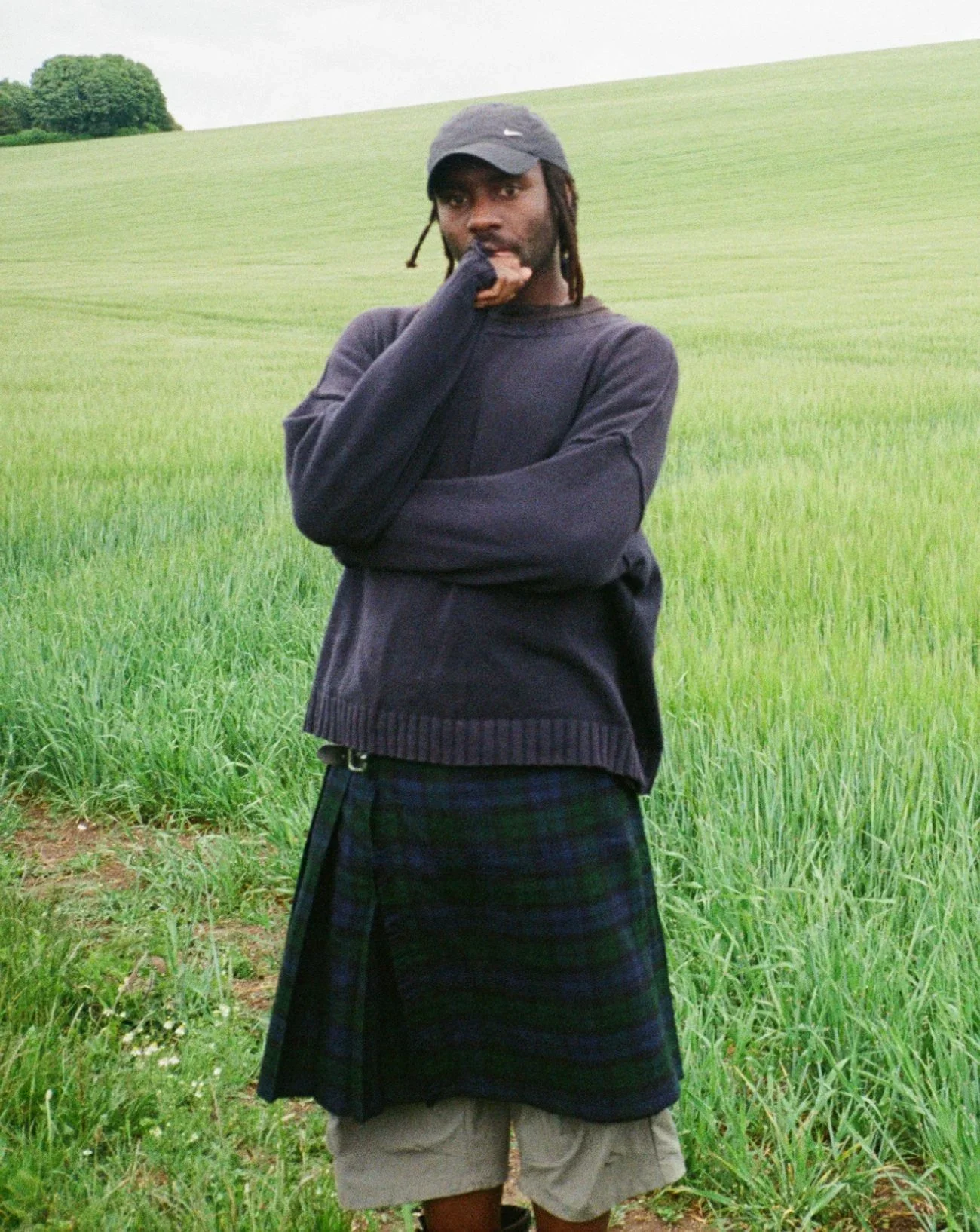
Dev Hynes, (alias Blood Orange) for Marni
Daily Paper, basé à Amsterdam, va plus loin encore : plateforme diasporique à part entière, elle soutient directement les scènes afrofuturistes, du Nigeria à Paris. Pas d’habillage ici. Plutôt des dialogues. Et parfois, des alliances durables.
Archiving the Body, Hacking the Image

Sevdaliza next to Raving Dahlia, her double robot
Some artists turn their visual presence into an extension of their sonic politics. More than just styling — it’s language. A narrative tool. A space for freedom. Often, it becomes a battleground — between intimacy and exposure, self-mythology and raw vulnerability. Aesthetic as resistance. Image as echo.
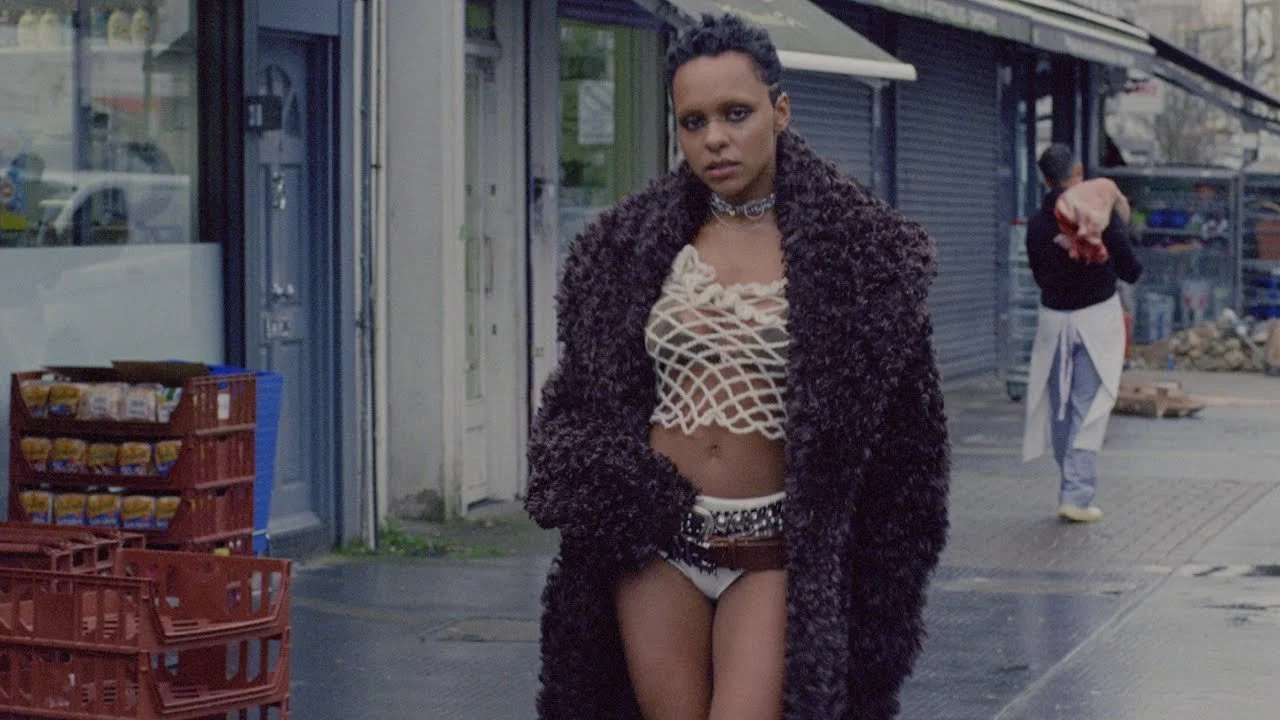
« My clothes are part of the performance. I don’t dress to blend in — I dress to continue the story. »
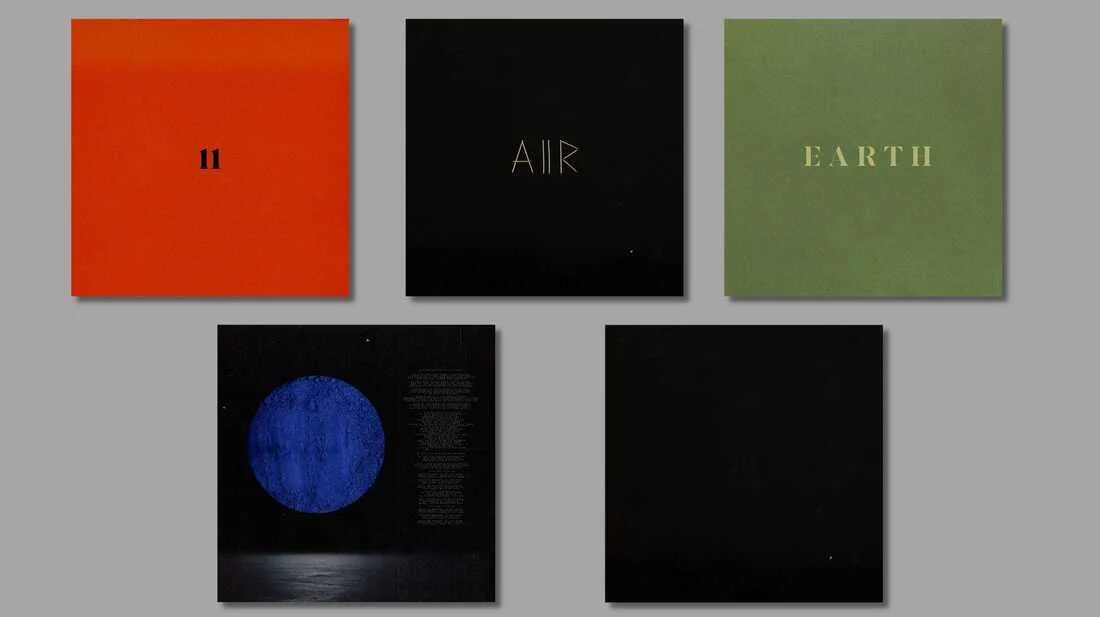
Cover albums du groupe SAULT
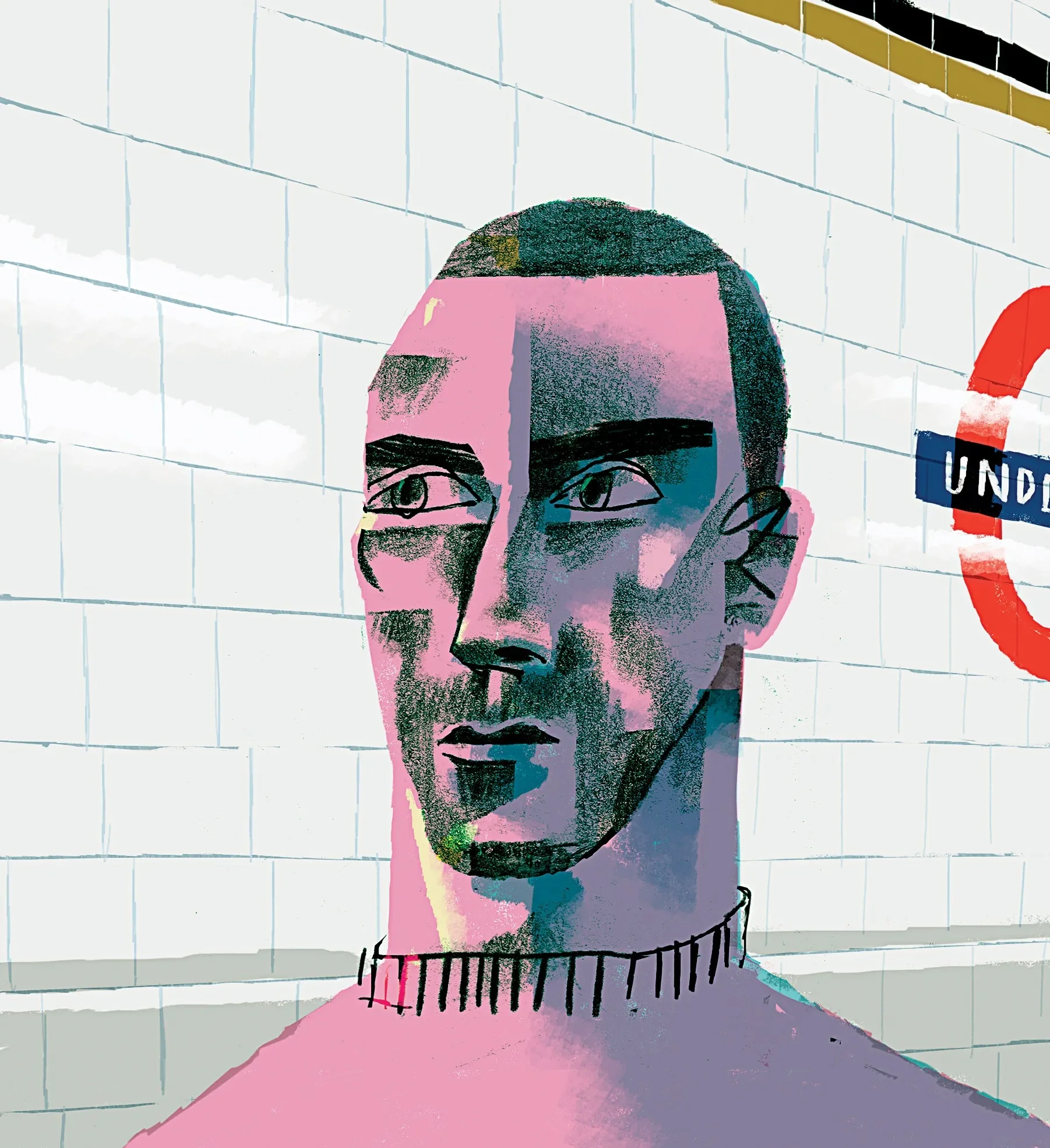
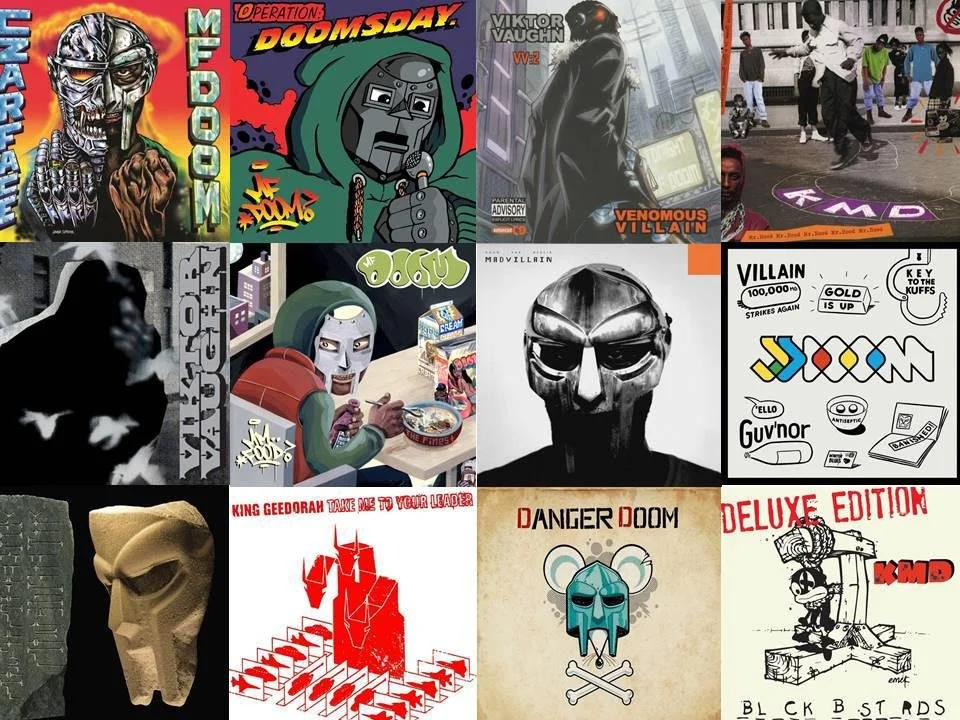
Like SAULT, Burial, MF DOOM and others across the Channel, some artists flip the script — the refusal to be seen becomes a manifesto. Here, clothing doesn’t precede the music — it vanishes with it . In a system that demands style before it listens, visual silence becomes a form of power. An aesthetic of retreat. An absence more disruptive than any logo on stage.
Whose gaze sets the terms?
When institutional fashion casts, indie artists recode. Their image isn’t backdrop — it’s tension, resistance, glitch.
A style that speaks before the music, or sometimes without it. Off-runway. Off-season. Off-validation.
No need for curated looks when clothing becomes affective archive, political statement, or quiet refusal. No perfectly lit silhouettes — just presences. Too bright to ignore. Too free to be framed.
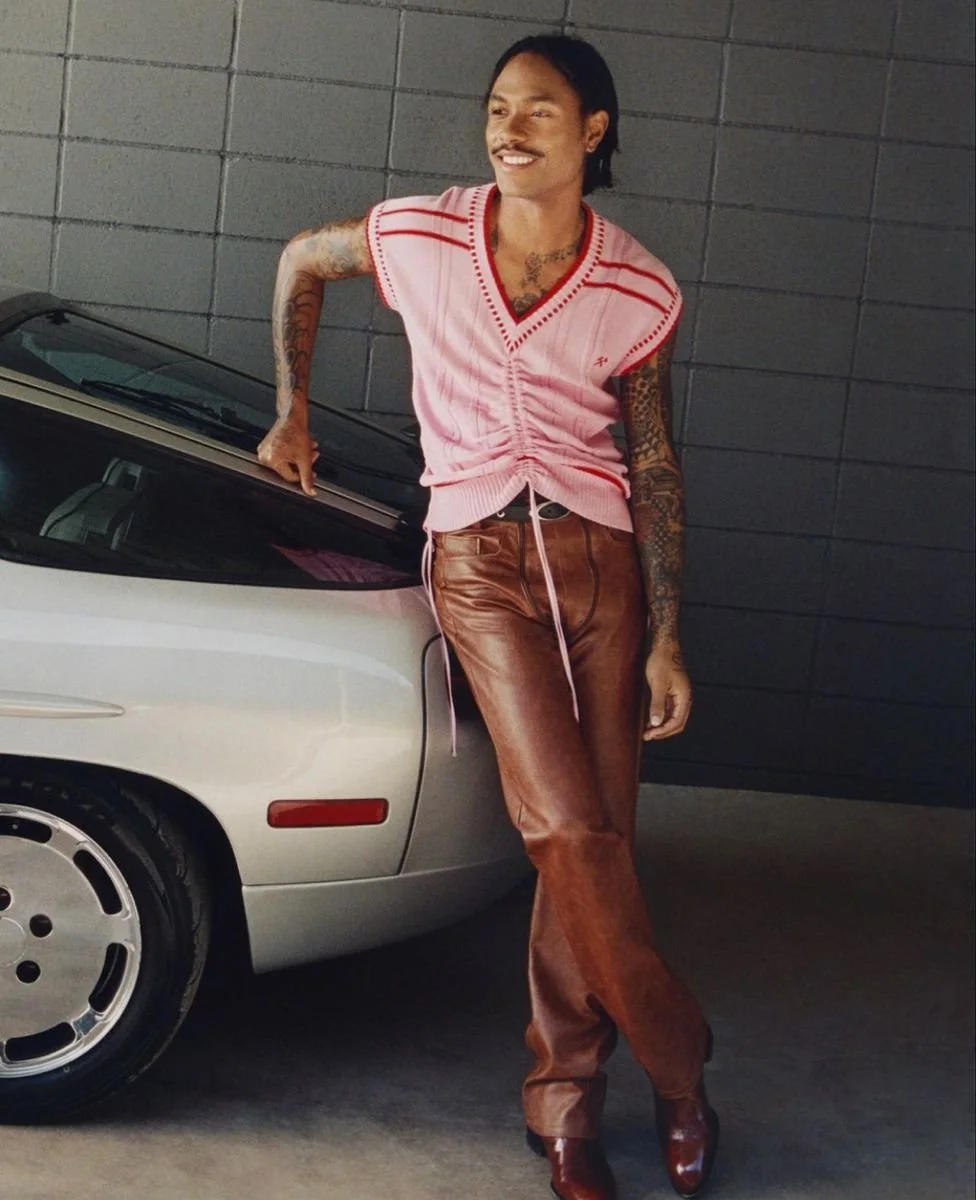
Steve Lacy
« I do all my own stunts. … It’s all me. All of the time. »